
The Digital Encyclopedia of Egypt
Seven thousand years, in one place
Sourced history, a script you can learn and write your name in, and culture, places and games. Sawah is not a site about Egypt — it is Egypt, arranged so you can know it and live it.
- Every fact sourced
- Fully Arabic and English
- Completely free
1,072
hieroglyphic signs indexed and machine-verified against the Unicode database
- Every historical claim is tied to a source, with its confidence level stated beside it.
- The sign catalogue is machine-verified against Unicode, and we intend to publish it as open data.
- Not an archive — a cartouche you write, a daily challenge, a working Egyptian calendar.
1,072
signs indexed
26
historical periods
7
major eras
2
languages from day one
The full index
Everything in Sawah, on one screen
Eighteen doors, all open: archives to read, tools to use, and places where you do the writing. Every number below is counted from the rows themselves as the page loads, never typed in by hand.
To read and explore
History
Prehistory to the Republic, chapter by chapter, each with its sources beneath it.
26 historical periods
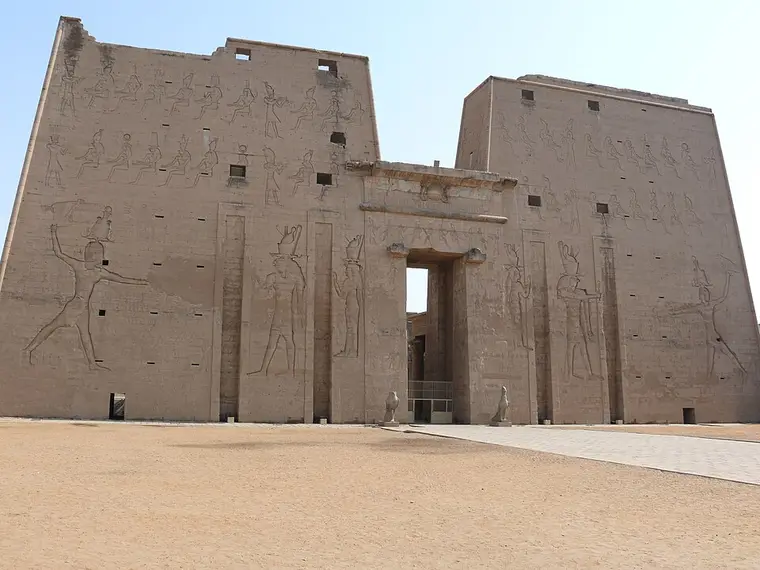
Hieroglyphs
The sign catalogue in Gardiner order, with transliteration, meaning and Unicode.
1,072 signs
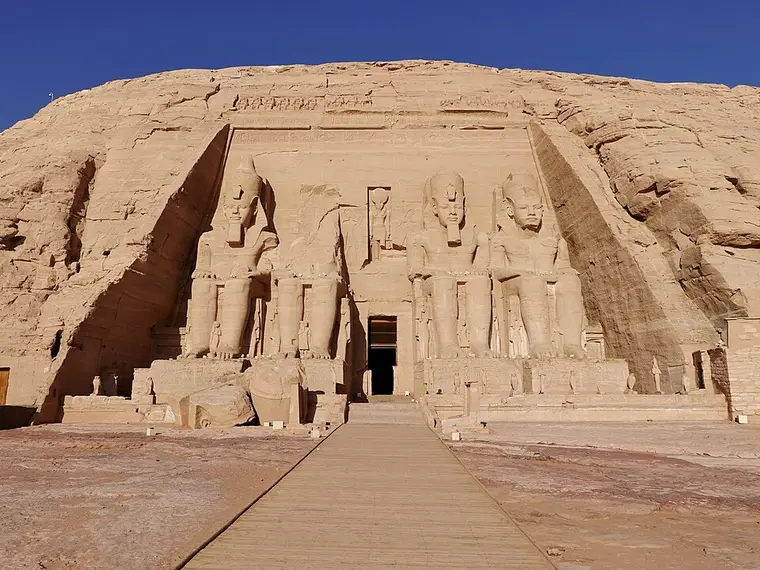
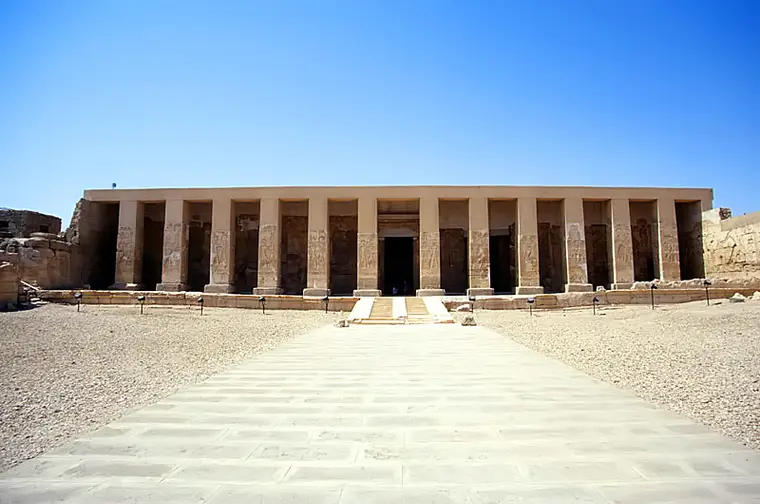
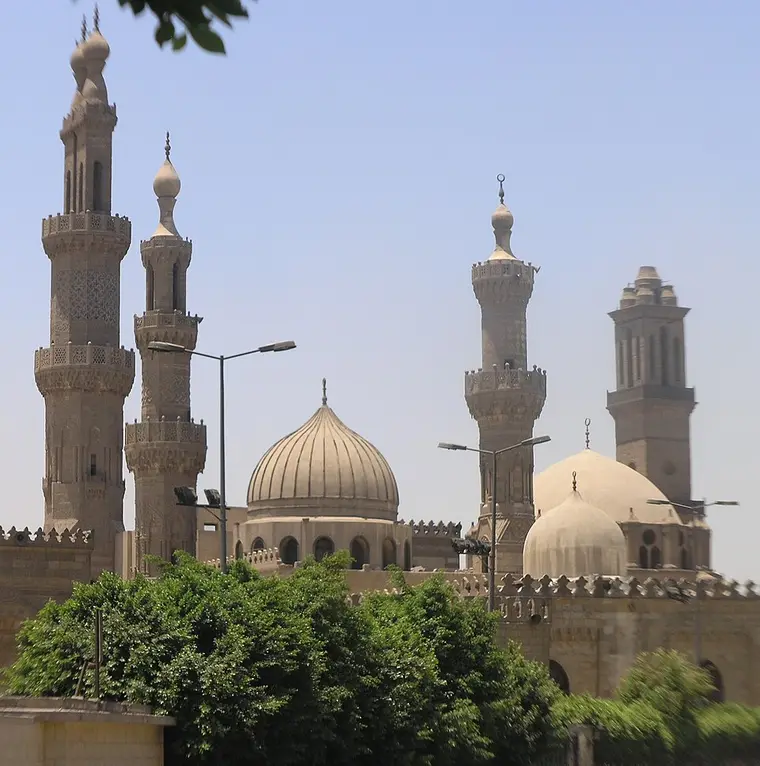
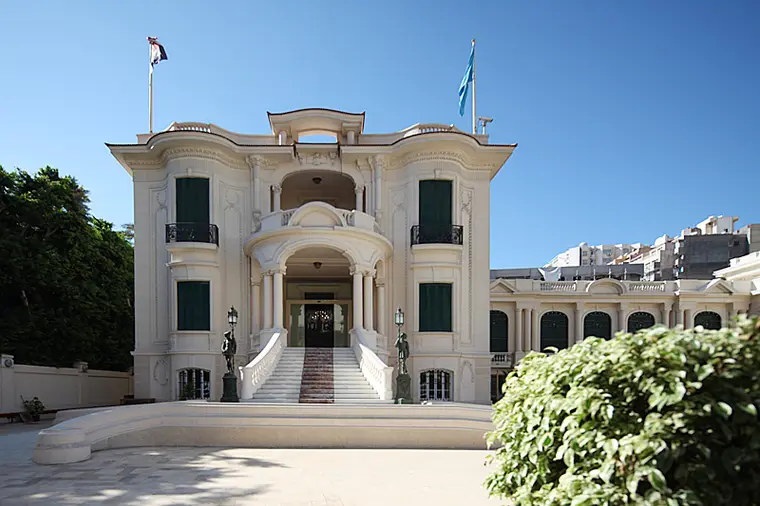
Places
Museums, temples, archaeological sites and reserves, filtered by governorate and kind.
1,958 places
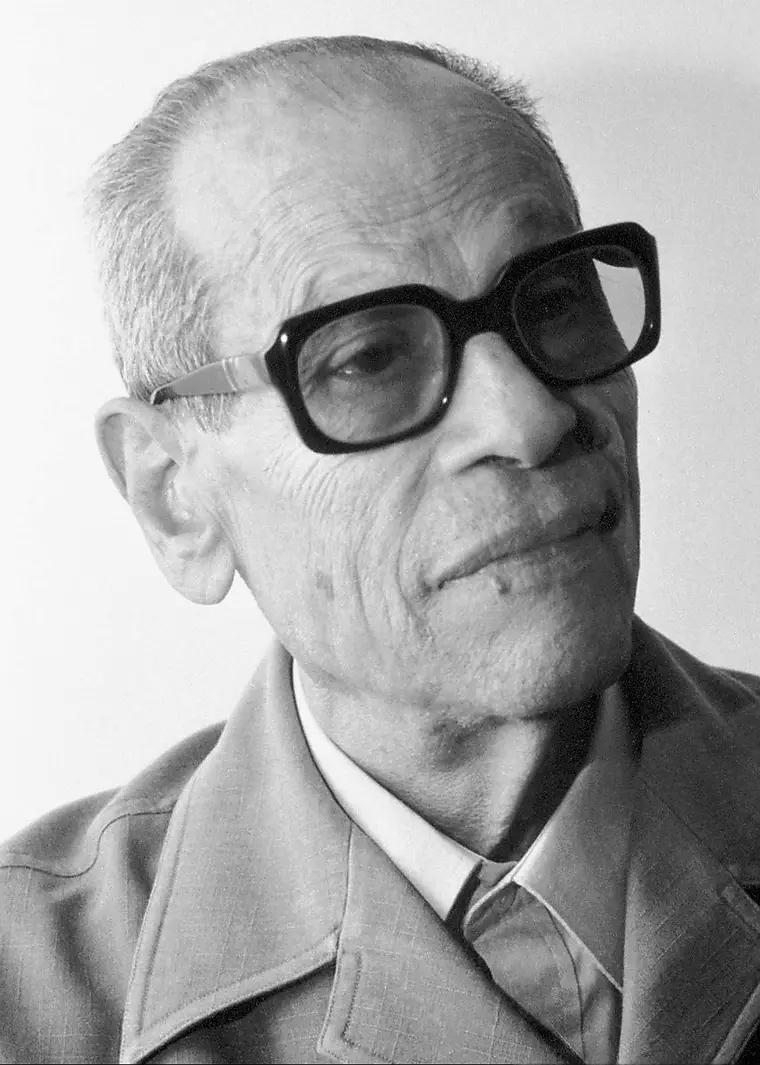
Literature
Novels, collections, authors and poets, each with an extract from its article.
2,489 entries
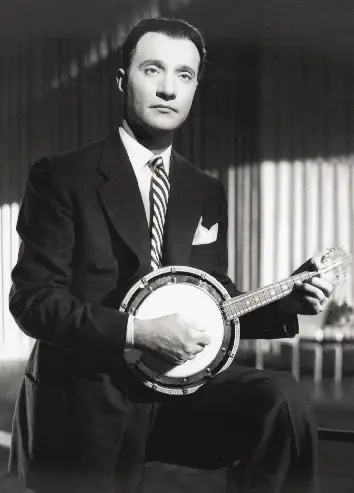
Art and cinema
Films, actors, directors and singers — the memory of Egyptian cinema and song.
2,983 records
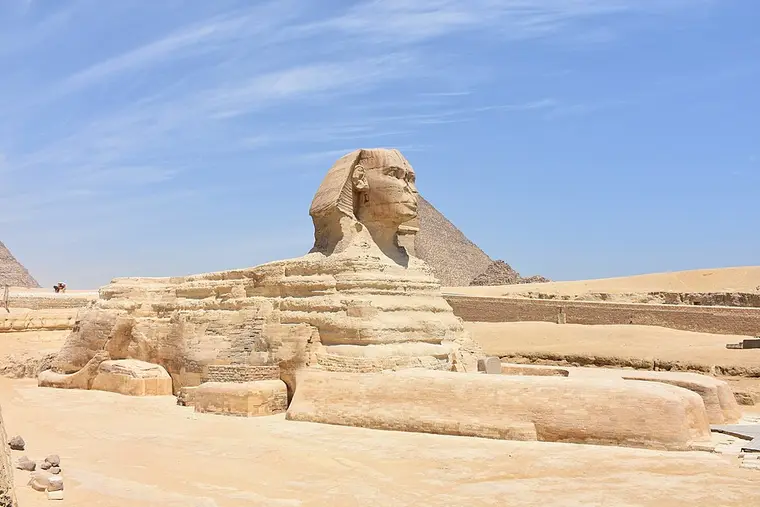
Mythology
The deities, the creatures and the ideas, and where each story comes from.
148 entries

Egyptology
The scholars, sites, museums and objects — how the discipline itself was built.
991 entries
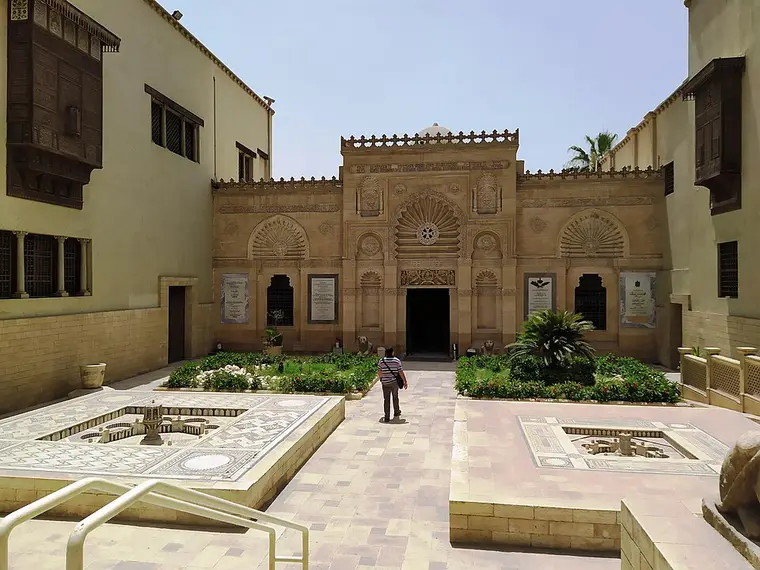
Surviving words
Ancient Egyptian words Egyptians still say — and the ones we think are, but aren’t.
67 words
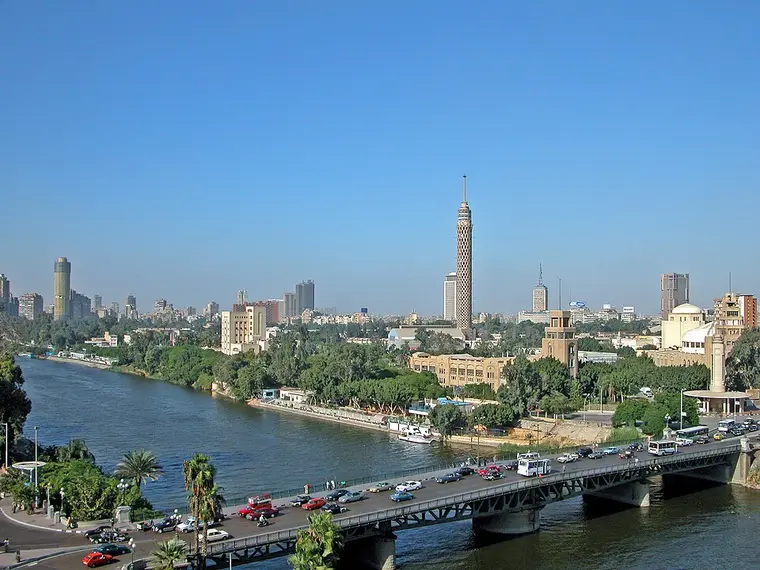
News
What is written about Egypt at home and abroad; the full read stays with the publisher.
To use and try
Cartouche
Write your name in hieroglyphs inside a cartouche, with every sign explained.
Daily challenge
A new question every day on Cairo time, and your streak kept.
Practise the signs
Spaced repetition on the signs, starting with the twenty-four uniliterals.
The alphabet
The whole hieroglyphic alphabet in one table, for a quick look-up.
The calendar
Both Egyptian calendars — ancient and Coptic — computed for today, and the gap between them.
Ask Sawah
Ask anything in the encyclopedia; the answer is tied to what we actually hold.
Which ancient Egyptian are you?
Six questions, ending on a real person with their story and its source.
Your company name in hieroglyphs
Your company's name as a phonetic approximation, ready as a logo.
Phone wallpapers
Well-known hieroglyphs sized for your phone, free.
Sign-of-the-day widget
A new sign on your site every day, with one line of code.
Yours
Ask Sawah
Egypt's scribe at your service
Ask about a king, a temple, a word or an era, and the scribe answers from Sawah's published pages alone — and points you to the page the answer came from.
Ask Sawah
Answers from Sawah's pages and their sources only
Peace be upon you — I am Sawah's scribe. Ask me about Egypt's history, places, myths and words, and I will answer from what we publish, with the page to check it on.
This is an automated assistant, not a historian. It can be wrong, and its answers are not a scholarly reference. Always check the sources attached to each article.
The history of Egypt
Seven thousand years, divided into chapters
284 chapters across 7 eras, from prehistoric Egypt to the Republic — each one with its sources listed beneath it.
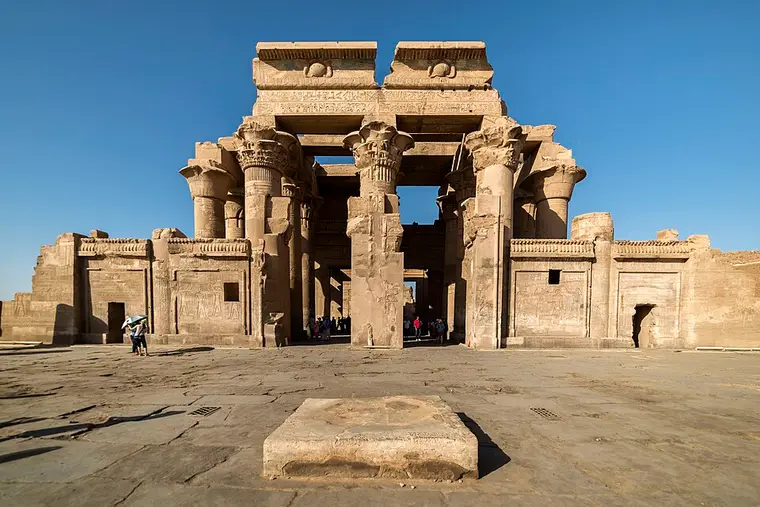
 Prehistory in the Nile Valley
Prehistory in the Nile Valley
~700000 – ~6000 BCE
5 chapters·1 period
Start reading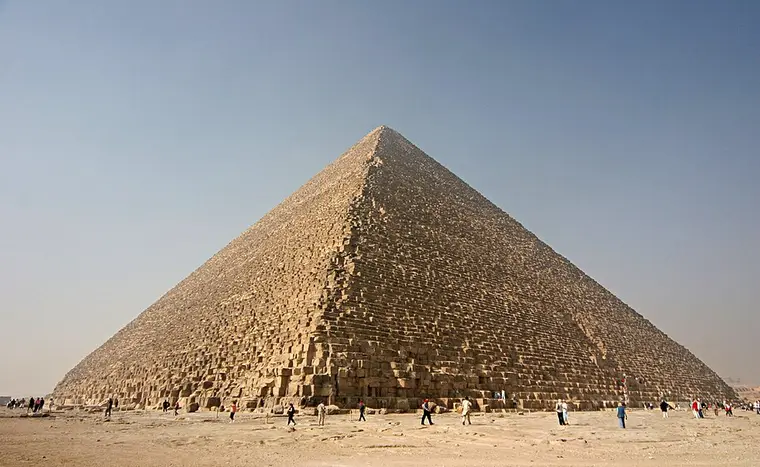 Ancient Egypt
Ancient Egypt
~6000 – ~332 BCE
93 chapters·9 periods
Start reading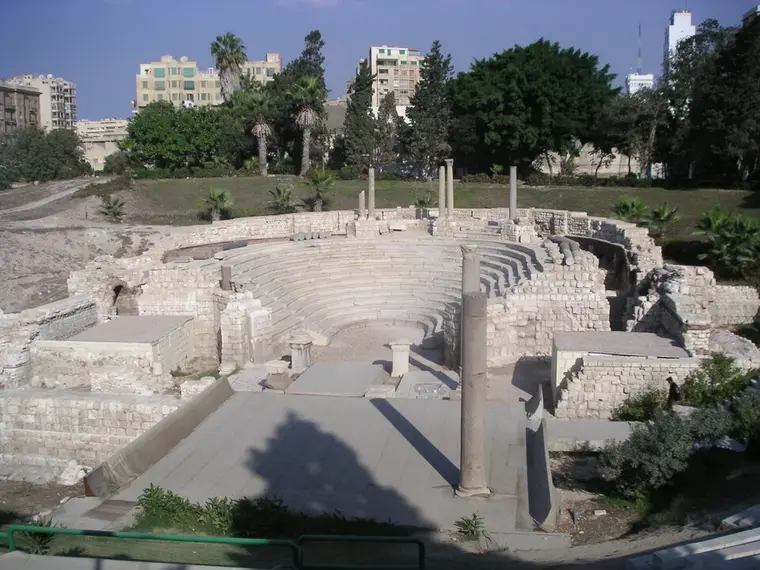 Greco-Roman Egypt
Greco-Roman Egypt
~332 BCE – ~641 CE
49 chapters·4 periods
Start reading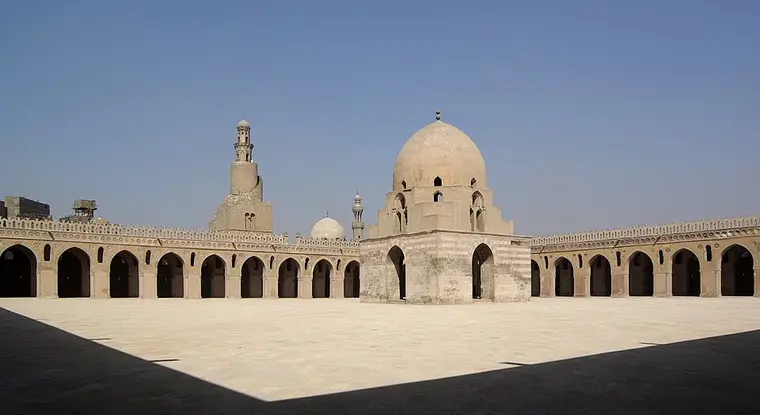 Early and Medieval Islamic Egypt
Early and Medieval Islamic Egypt
~641 – ~1517 CE
61 chapters·6 periods
Start reading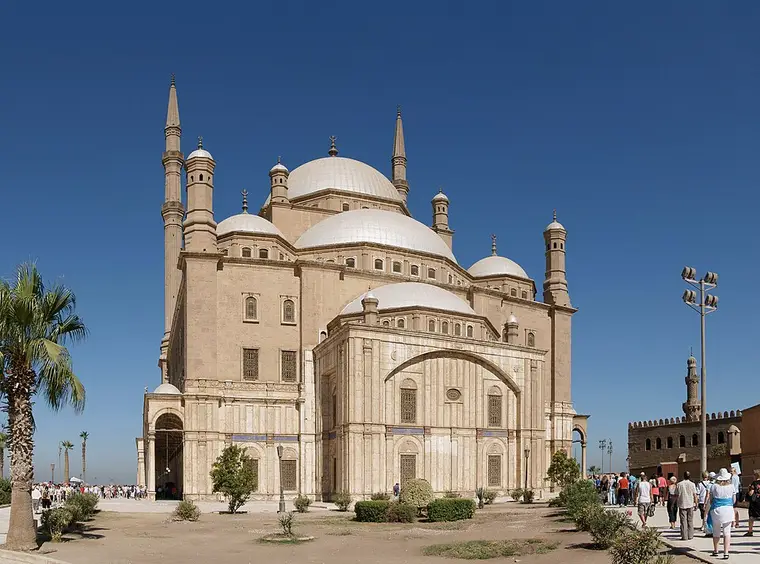 Ottoman Egypt and the French Expedition
Ottoman Egypt and the French Expedition
~1517 – ~1805 CE
24 chapters·2 periods
Start reading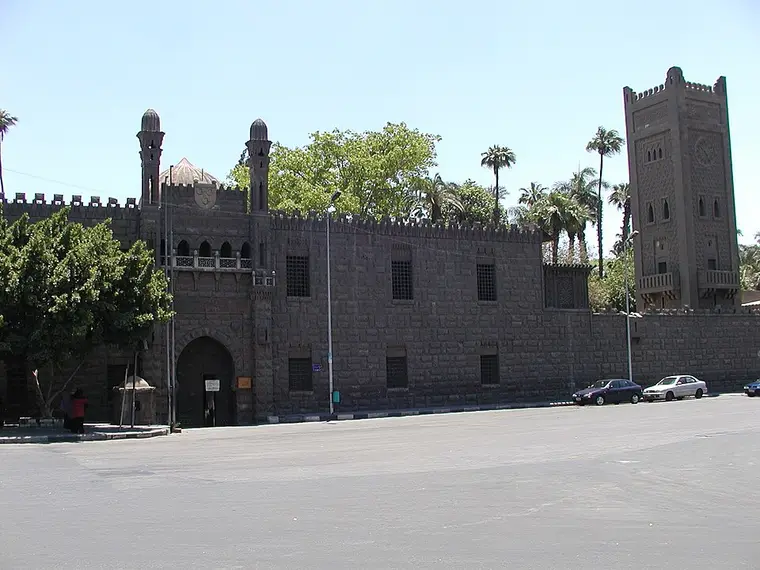 Modern Egypt
Modern Egypt
~1805 – ~1952 CE
40 chapters·3 periods
Start reading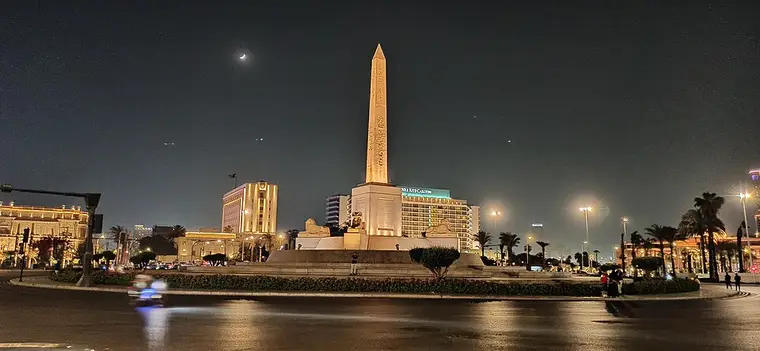 The Republic
The Republic
~1952 – ~2026 CE
12 chapters·1 period
Start reading
Egypt today
Egypt today
Your way into Egypt
Egypt is not one subject — it is a whole civilisation
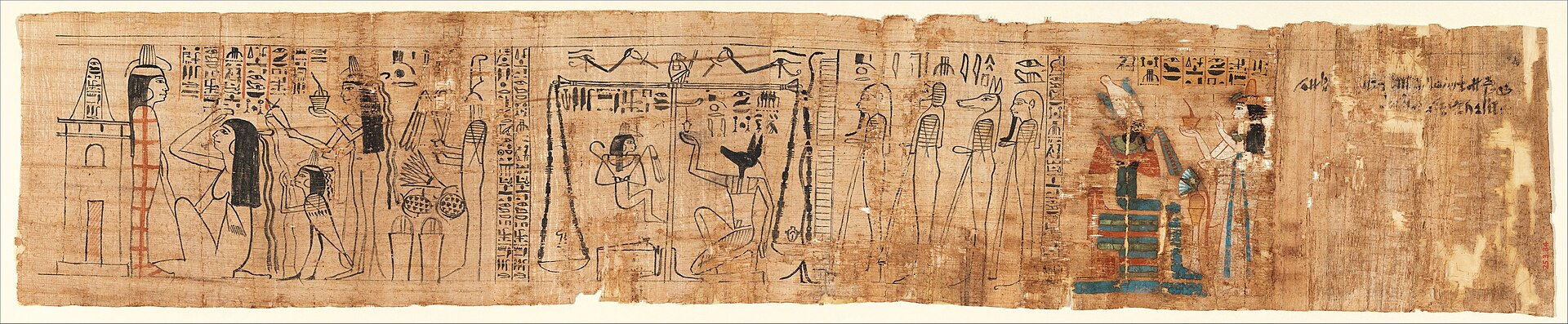
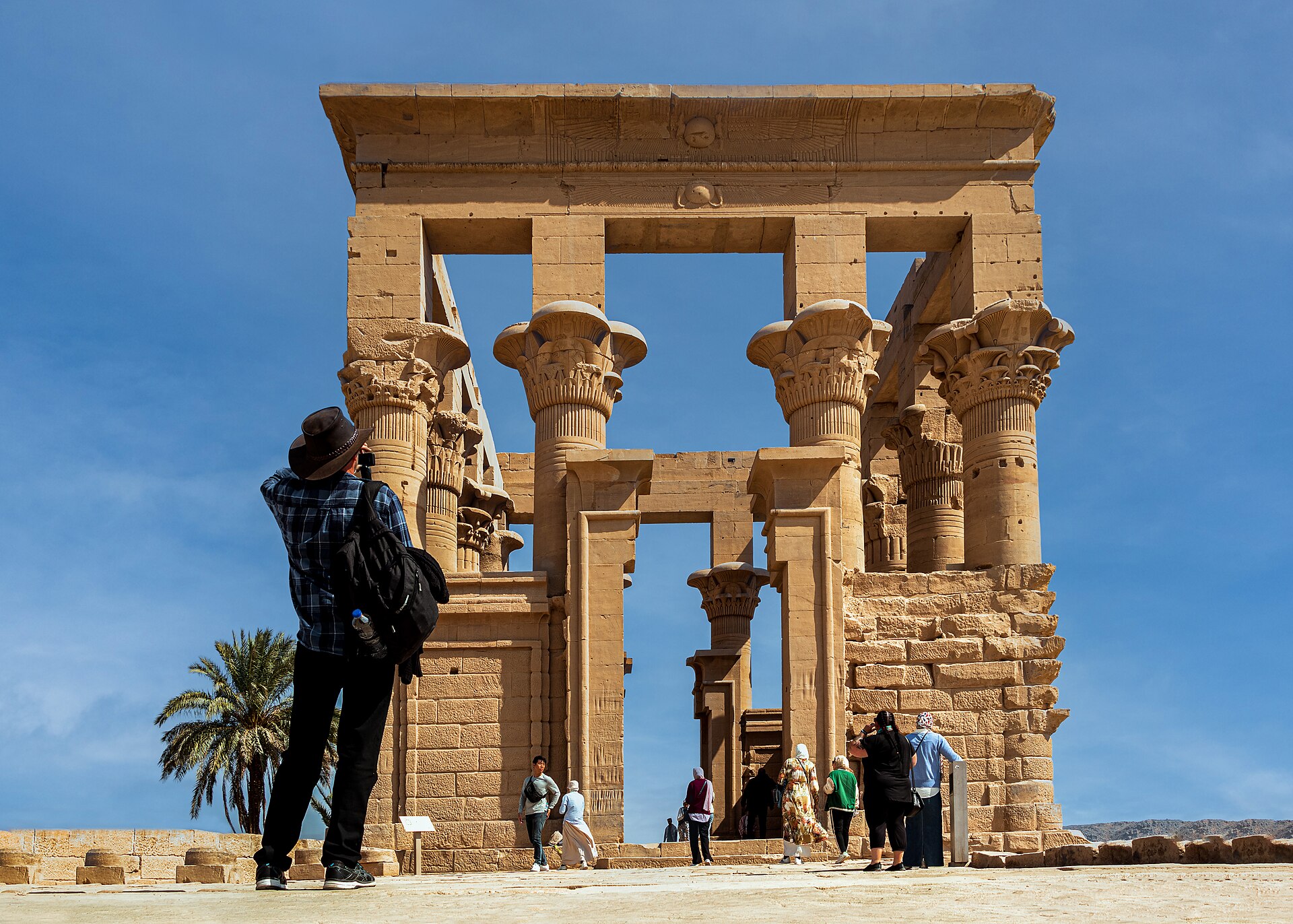
History, language, culture, places and games. Each is a world of its own, and every one of them opens from here.
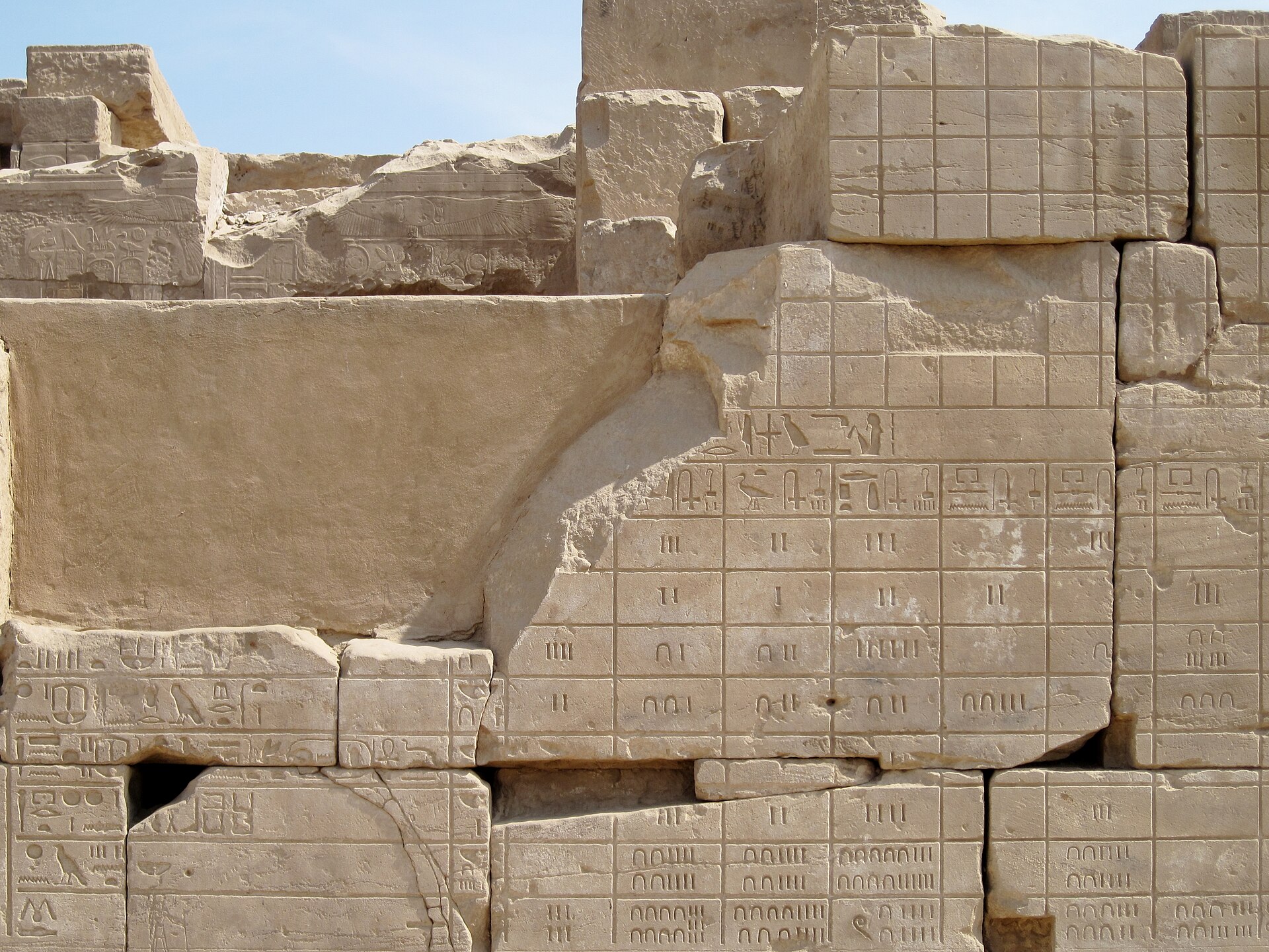
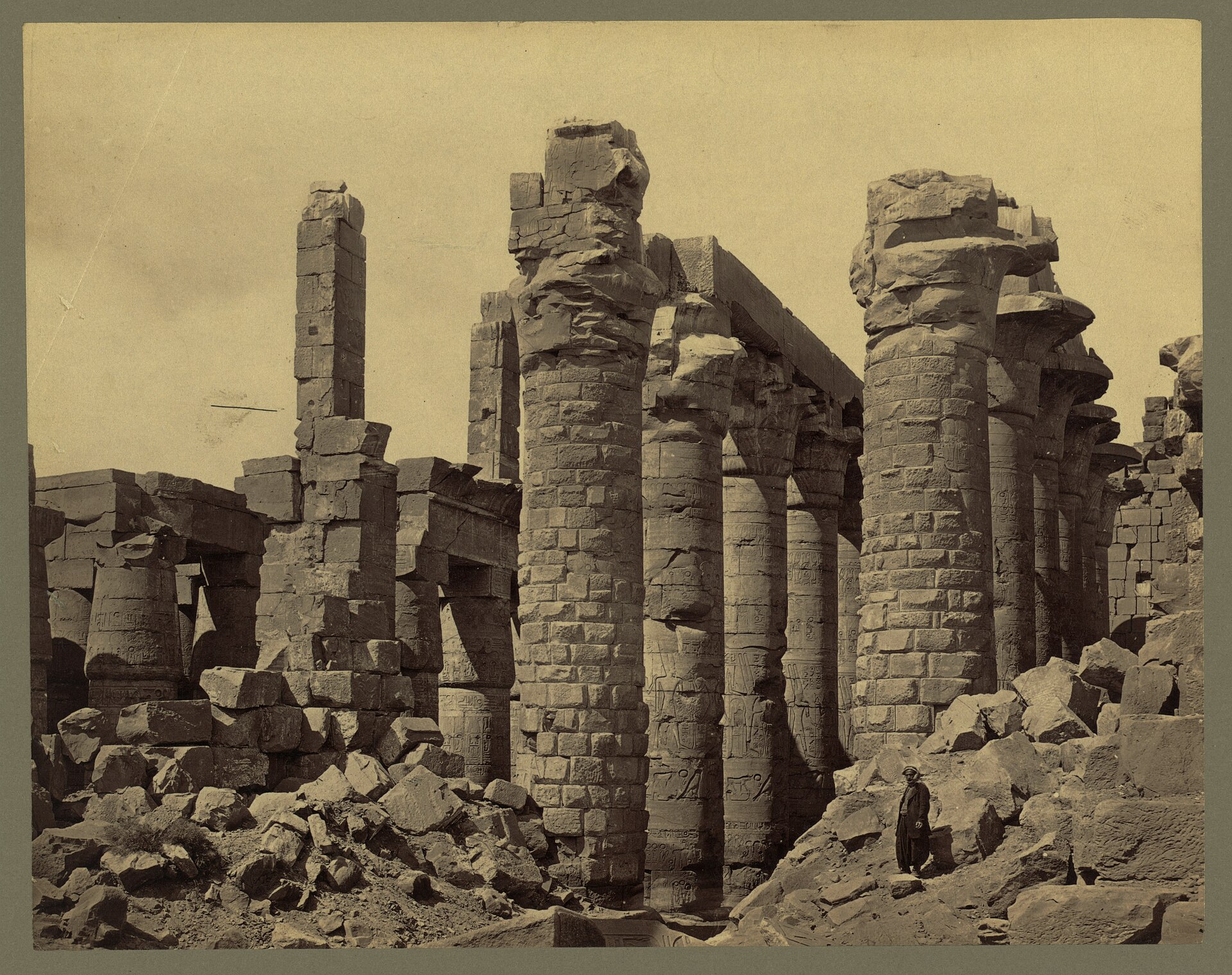
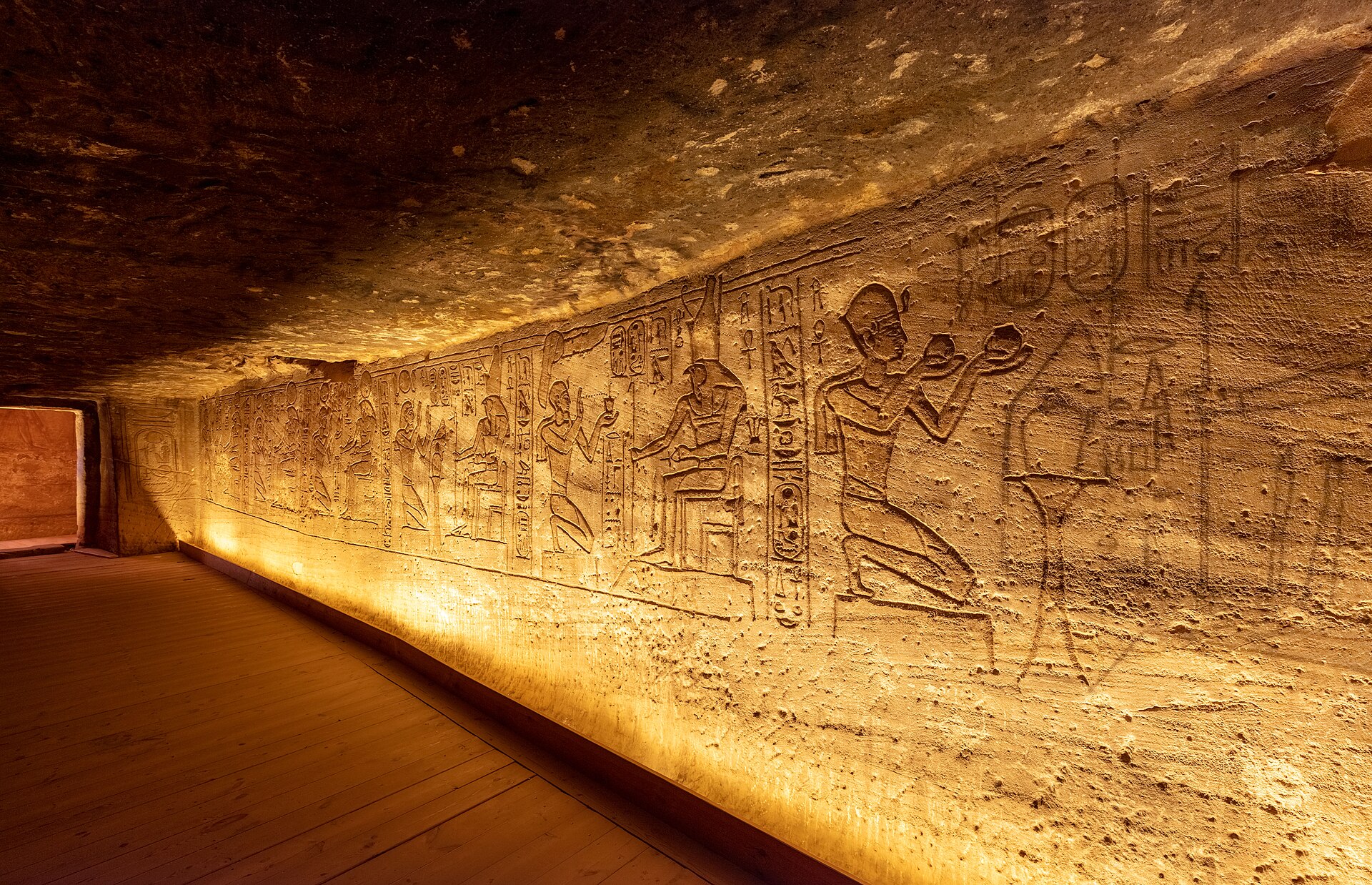
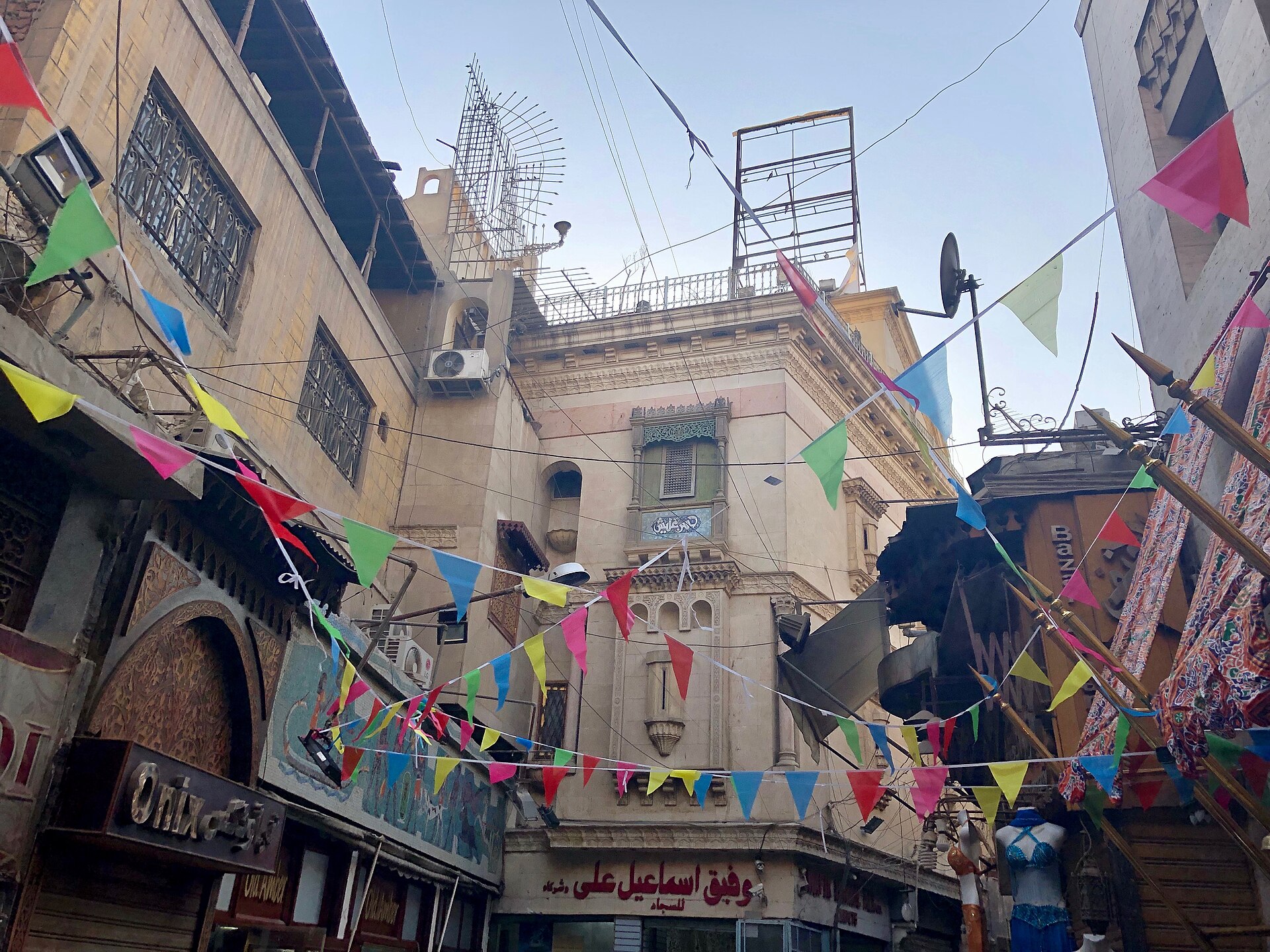
Why Sawah
The Nile has not changed. What changed is that someone had to write the story properly.
Arabic material about ancient Egypt online is largely carelessly translated, copied without a source, or myth repeated until it passes for fact. We write it as Arabic, and every claim carries its source and its confidence level.
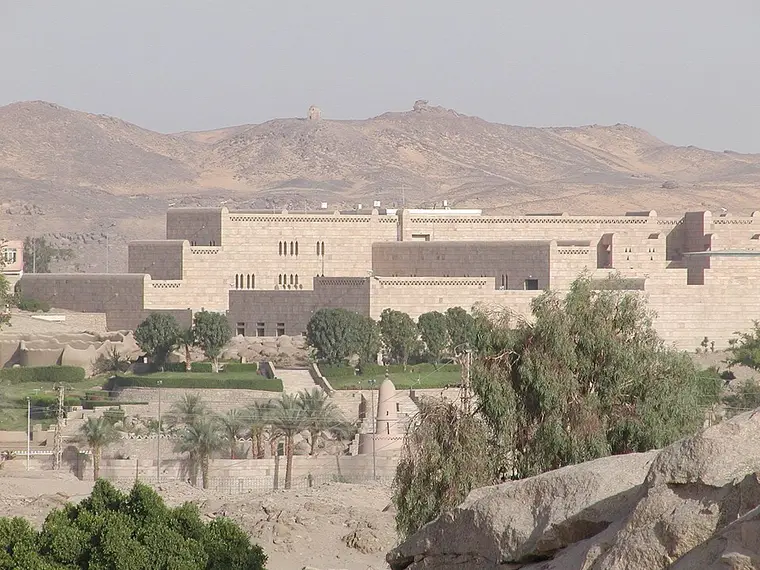
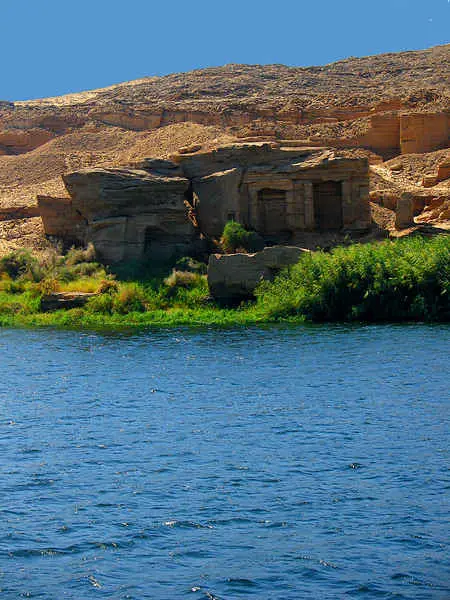
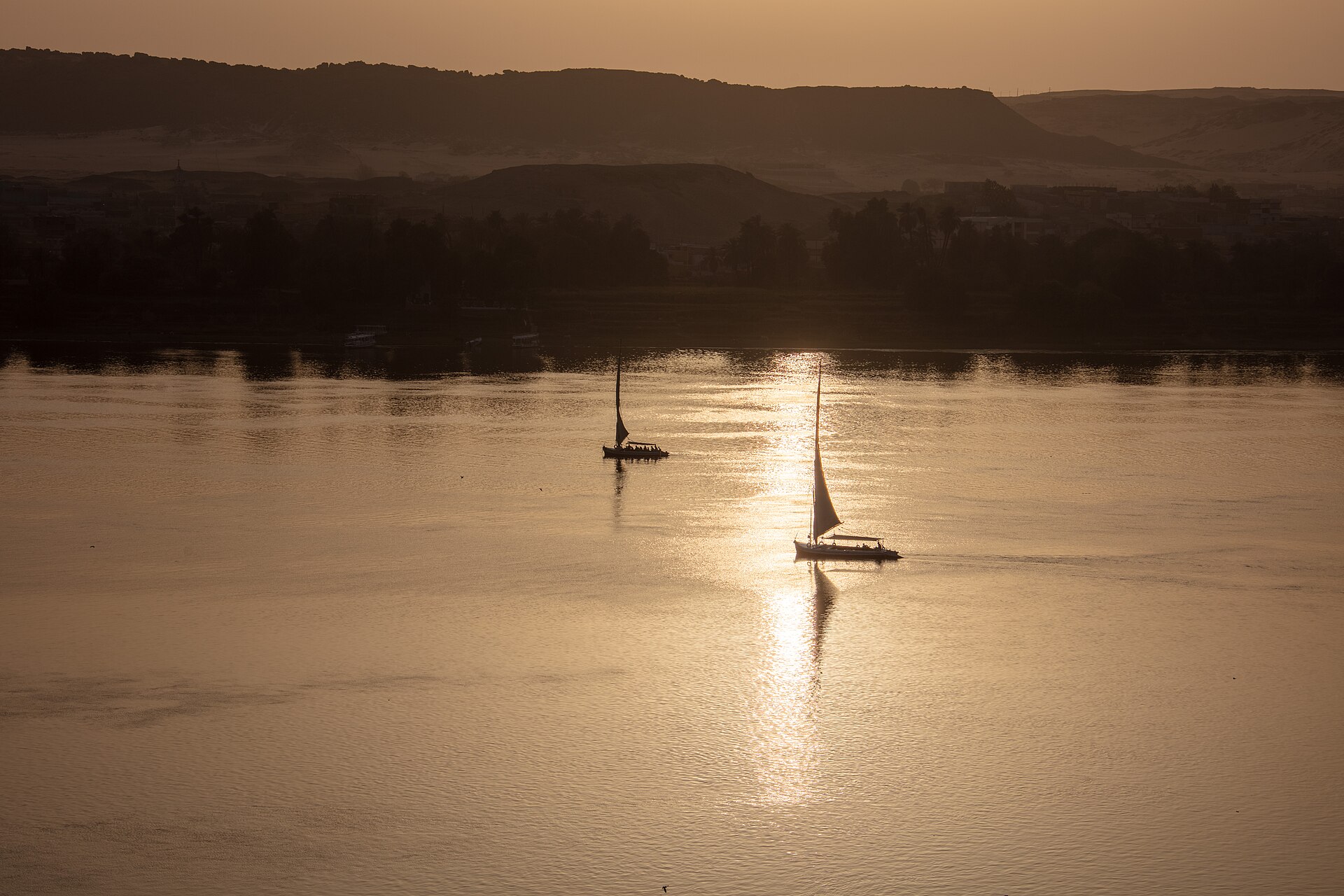
How we workNile at Aswan · Diego Delso · CC BY-SA 4.0 · Wikimedia Commons
Places in Egypt
From the Egyptian Museum to Café Riche — in one place
Museums, heritage sites, temples, hotels, restaurants and places to unwind — 1958 of them, each with its coordinates, a description, and a map or official site one tap away.
115 places in this category
Write your name
Your name in hieroglyphs, one sign per sound
Not letter for letter. The engine breaks a name into sounds, writes the sign each sound takes, and tells you which sign came from which — and where it had to approximate.
- مريمmrjm
- أحمدꜣḥmd
- نورnwr
Three names written by the same engine that will write yours — not an illustration of it.
The alphabet
Twenty-four signs, each carrying a sound
This is the closest thing Egyptian had to an alphabet: the signs that carry a single consonant. Any name is written with them, and any learning starts here.
- ꜣa (glottal, as in 'ah')
- ji / y
- yy
- ꜥayin
- ww / u
- bb
- pp
- ff
- mm
- nn
- rr
- hh (soft)
- ḥemphatic h
- ḫkh, as in Scottish 'loch'
- ẖsofter kh
- ss
- šsh
- qemphatic q
- kk
- ghard g
- tt
- ṯtj, as in 'church'
- dd
- ḏdj
Each sign with its transliteration and its sound. Egyptian wrote no vowels at all — every sound above is a consonant.
The calendar
Today's date, in two Egyptian calendars
The ancient Egyptian and the Coptic calendars are the same year in every structural detail, separated by one leap day every four years. See how far that one day has taken them.
Coptic — the fixed year
7 Paopi
Year 1743 of the Martyrs
Ancient Egyptian — the wandering year
4 Paremhat
Year 2775 of Nabonassar
The gap between them today
218 days
One leap day every four years, for 2,774 years.
Surviving words
Words we still say — and words we think we do
Every entry carries its chain of descent, a lexicographic source, and a stated confidence level. The third level — widespread and wrong — is half the feature, not an appendix to it.
- Settled
𓅓𓋴𓎛mzḥتمساح
The initial t- is not part of the word: it is a feminine definite article fused onto the noun, as in timthāl. The disagreement is not about the Egyptian source but about the route. Bishai takes it through Coptic ⲧⲉⲙⲥⲁϩ; Corriente objects that Crum records the Coptic word as masculine, so a feminine article is irregular, and argues Arabic took it from Ancient Egyptian directly at an earlier stage. The best case for the Coptic route is that the feminine-articled form is itself attested in Coptic personal names (ϯⲉⲙⲥⲁϩ). The Egyptian word is given as mzḥ, as in the Thesaurus Linguae Aegyptiae; older transliteration writes msḥ — the same word.
- Disputed
ϩⲁⲗⲱⲙhalōmحالوم
Nobody doubts the two words are one; the question is which way it went. Bishai has Arabic borrowing from Coptic ϩⲁⲗⲱⲙ. Corriente notes that ḥālūm is already in the classical Arabic dictionaries, so the borrowing must be older than Bishai assumes. Vittmann — supported by Behnstedt and Woidich, as Corriente reports — argues the reverse: that Coptic took the word from Arabic. The Coptic dictionary gives it no older Egyptian source.
- Widespread and wrong
ʾ-m-nآمين
The most famous claim in this whole area: that āmīn at the end of a prayer is a survival of the god Amun's name. It does not hold up on any front. Amun, Jmn, is an Egyptian name from a root meaning “to conceal” — “the Hidden One” — recorded as such in the Berlin dictionary. Āmīn is Hebrew, from the root ʾ-m-n, “to be firm, to be faithful”, the same root behind īmān and amāna in Arabic. Two languages, two roots, two meanings; only the letters resemble each other.
Today's challenge
A name written in hieroglyphs. Whose is it?
One question a day on Cairo time, five attempts, and a hint after each. Your streak is kept on your own device.
#289
7 signs
Whose name is this?
Governorate rooms
A room for every governorate, messages arriving live
Twenty-seven rooms, one for each Egyptian governorate. Walk into yours and find people from home; a message appears for everyone without a page refresh.
Community
What members write, kept apart from the editorial content
A place for Egyptians to write about Egypt: a visit, something they know, a correction. It stays visually separate from the encyclopedia, so a reader always knows who is speaking.
Nobody has written yet. Whoever goes first starts this place.
Egyptian mythology
The gods of Egypt and their myths
148 deities, figures and ideas that shaped humanity’s oldest account of death, creation and justice.
Egyptology
Egyptology: how the world learned to read Egypt
991 scholars, sites, museums and objects — the story of the discipline that gave Egypt back the ability to read itself.
Egyptian literature
Egyptian literature
2489 works, novelists and poets — the names that wrote Egypt's conscience.
Egyptian art
Egyptian art
2983 films, actors, directors and singers — the memory of Egyptian cinema, theatre and song.
The Sawah app
Sawah, everywhere you go
Everything on the site — the encyclopedia, the cartouche, the daily challenge and the places — in one app on your phone, working even offline.
- Read articles offline — on the metro, or standing in the temple itself.
- A nudge for today's challenge and today's sign.
- Your learning progress moves between phone and web without being lost.