The Digital Encyclopedia of Egypt
Seven thousand years, in one place
Sourced history, a script you can learn and write your name in, and culture, places and games. Sawah is not a site about Egypt — it is Egypt, arranged so you can know it and live it.
- Every fact sourced
- Fully Arabic and English
- Completely free
1072
hieroglyphic signs indexed and machine-verified against the Unicode database
- Every historical claim is tied to a source, with its confidence level stated beside it.
- The sign catalogue is machine-verified against Unicode, and we intend to publish it as open data.
- Not an archive — a cartouche you write, a daily challenge, a working Egyptian calendar.
1072
signs indexed
26
historical periods
7
major eras
2
languages from day one
L’indice completo
Tutto Sawah, in una schermata
Diciotto porte, tutte aperte: archivi da leggere, strumenti da usare e spazi in cui a scrivere siete voi. Ogni numero qui sotto è contato dai dati stessi al caricamento, mai scritto a mano.
Da leggere ed esplorare
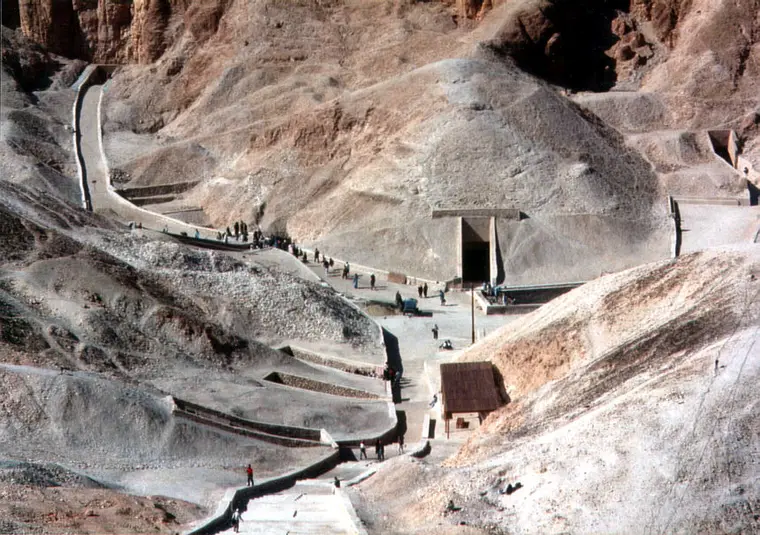
History
Prehistory to the Republic, chapter by chapter, each with its sources beneath it.
26 periodi storici
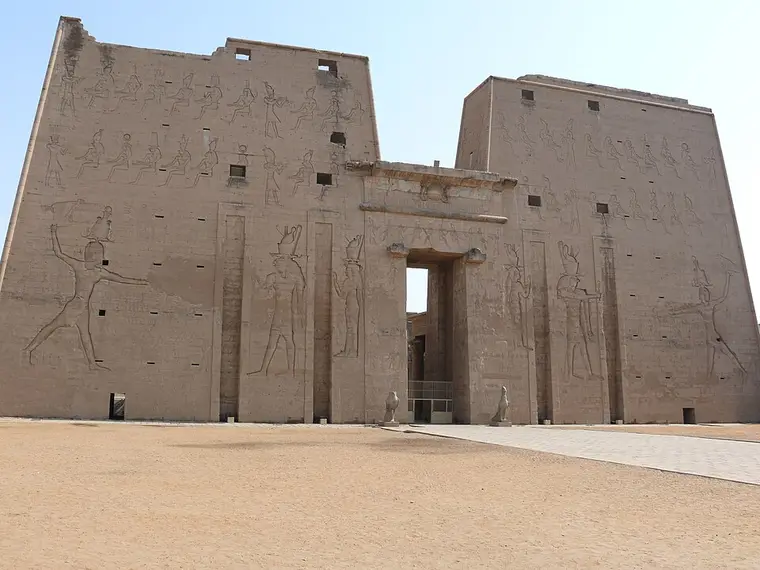
Hieroglyphs
The sign catalogue in Gardiner order, with transliteration, meaning and Unicode.
1072 segni
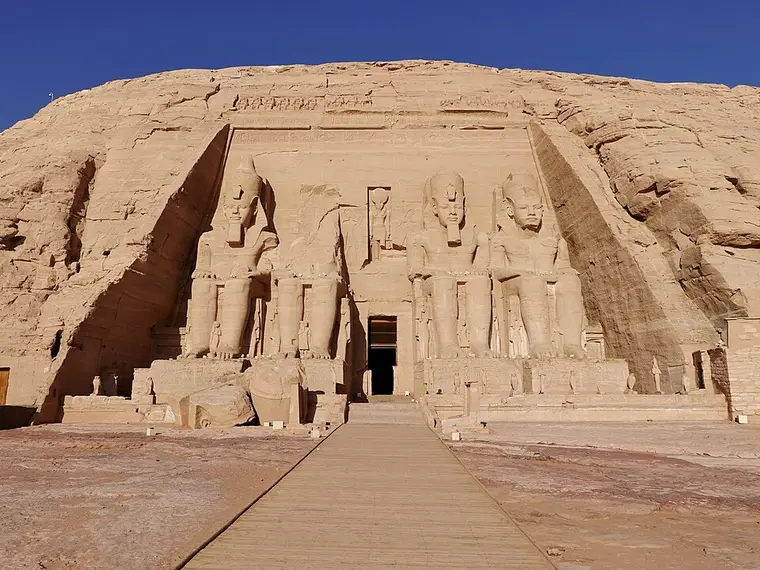
Places
Museums, temples, archaeological sites and reserves, filtered by governorate and kind.
1958 luoghi
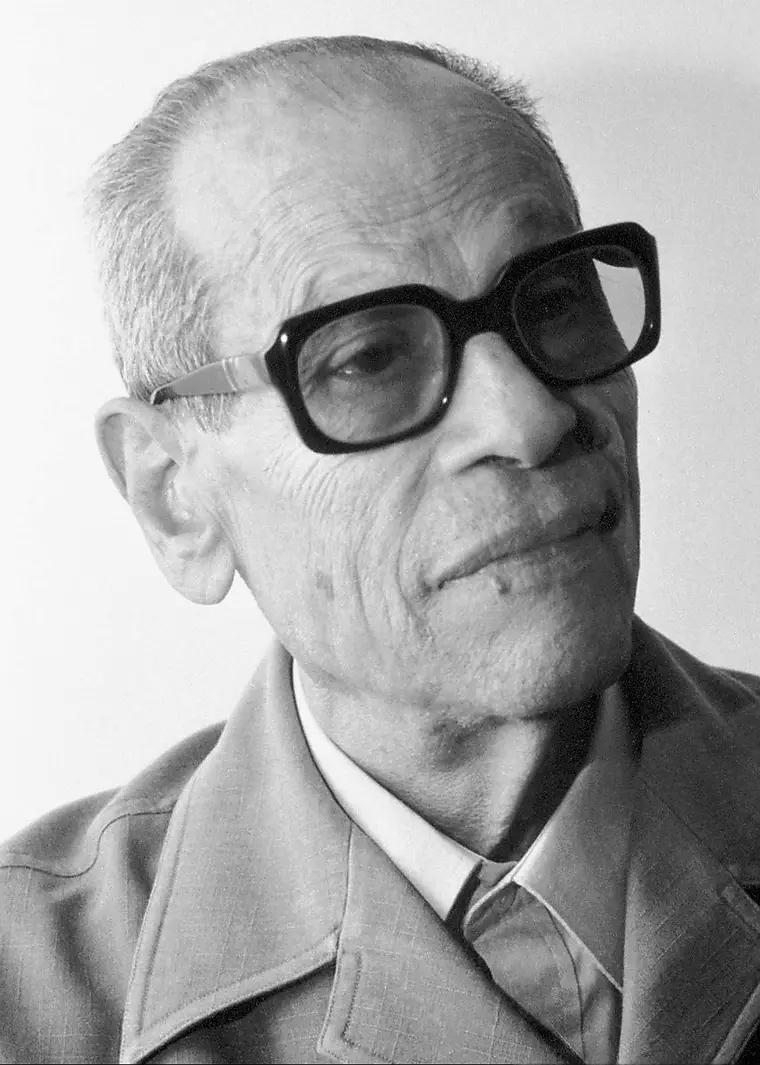
Literature
Novels, collections, authors and poets, each with an extract from its article.
2489 schede
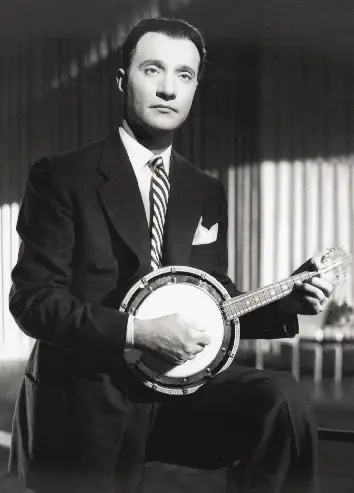
Art and cinema
Films, actors, directors and singers — the memory of Egyptian cinema and song.
2983 schede
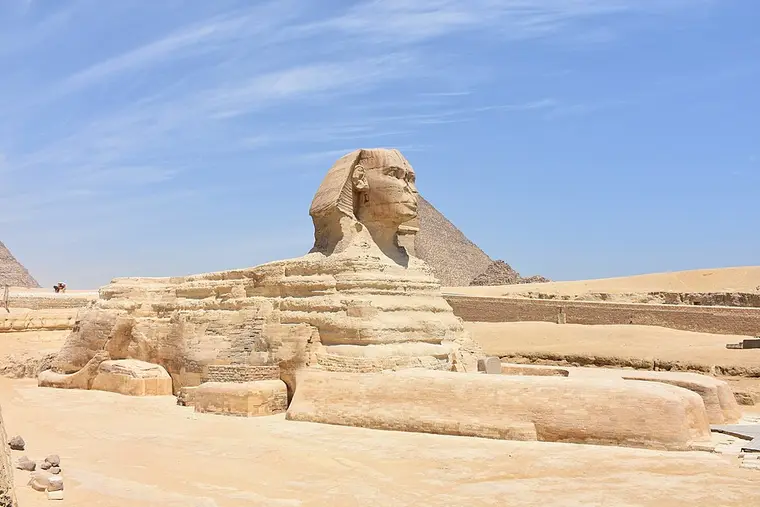
Mythology
The deities, the creatures and the ideas, and where each story comes from.
148 schede
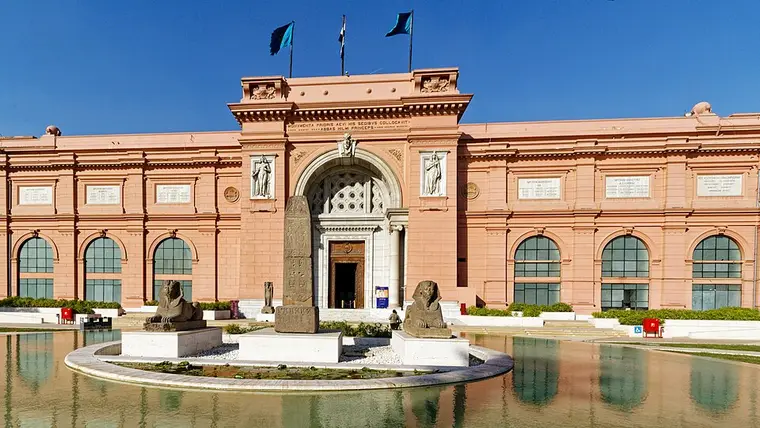
Egyptology
The scholars, sites, museums and objects — how the discipline itself was built.
991 schede
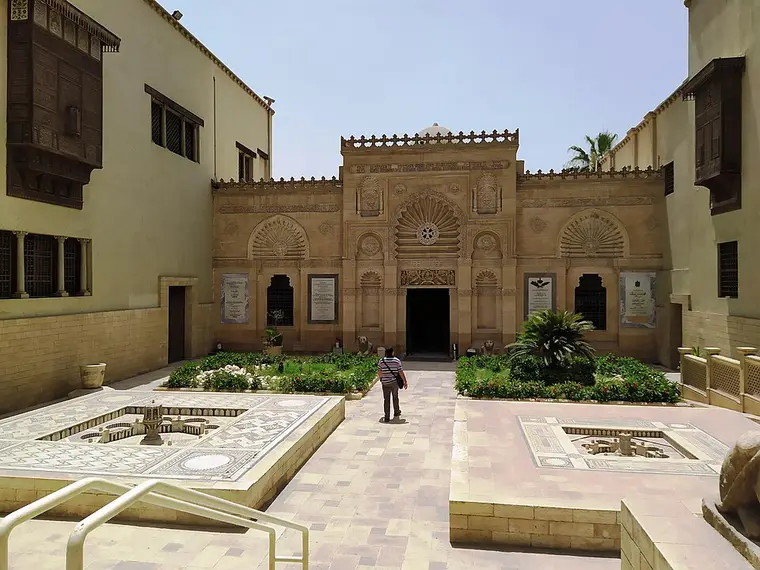
Surviving words
Ancient Egyptian words Egyptians still say — and the ones we think are, but aren’t.
67 parole
News
What is written about Egypt at home and abroad; the full read stays with the publisher.
Da usare e provare
Cartouche
Write your name in hieroglyphs inside a cartouche, with every sign explained.
Daily challenge
A new question every day on Cairo time, and your streak kept.
Practise the signs
Spaced repetition on the signs, starting with the twenty-four uniliterals.
The alphabet
The whole hieroglyphic alphabet in one table, for a quick look-up.
The calendar
Both Egyptian calendars — ancient and Coptic — computed for today, and the gap between them.
Ask Sawah
Ask anything in the encyclopedia; the answer is tied to what we actually hold.
Which ancient Egyptian are you?
Six questions, ending on a real person with their story and its source.
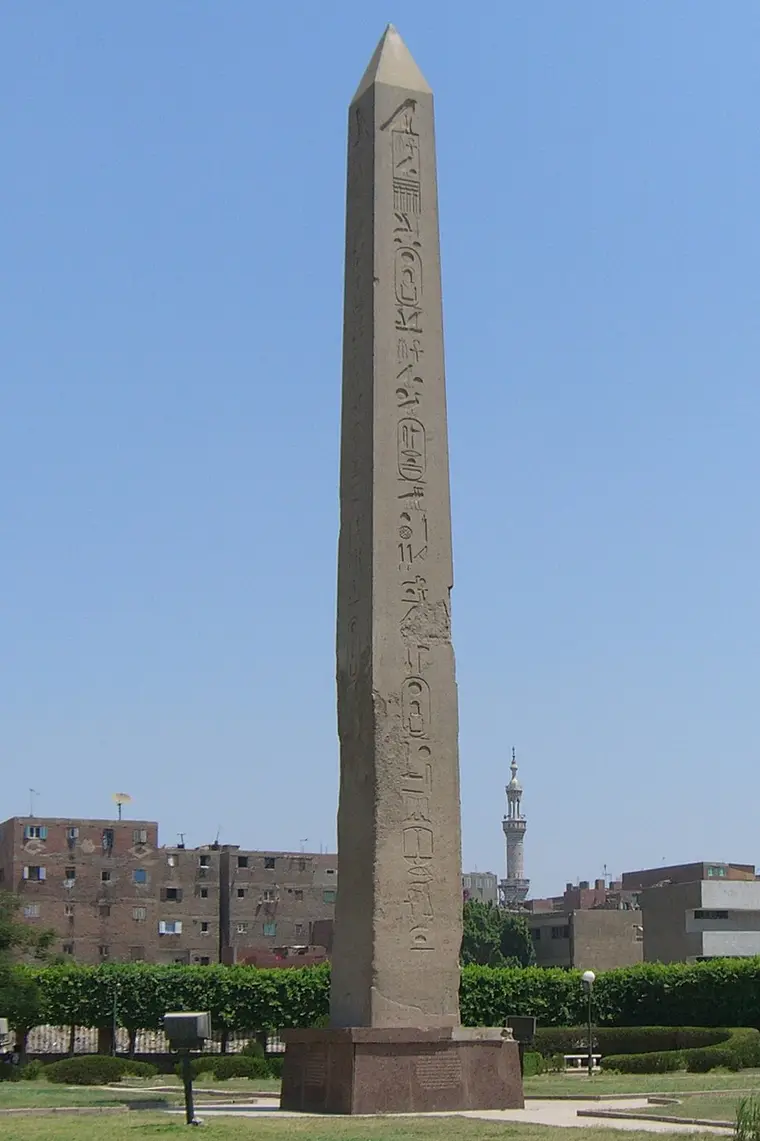
Your company name in hieroglyphs
Your company's name as a phonetic approximation, ready as a logo.
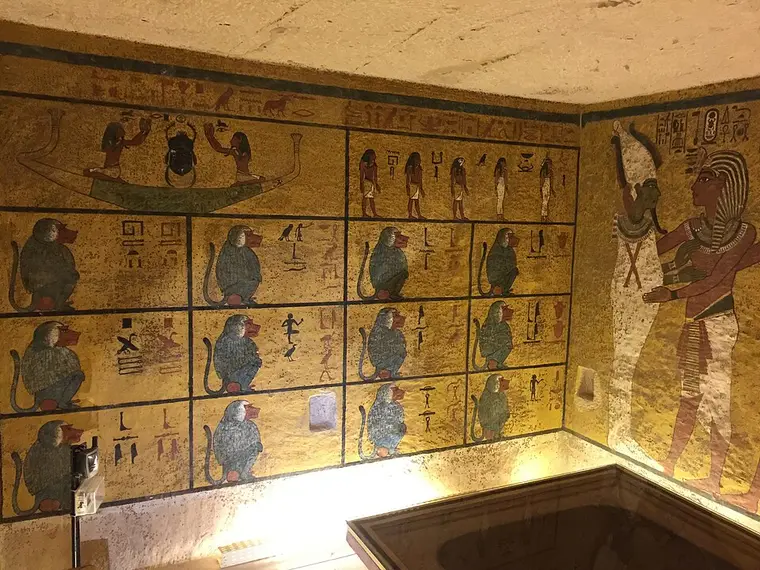
Phone wallpapers
Well-known hieroglyphs sized for your phone, free.
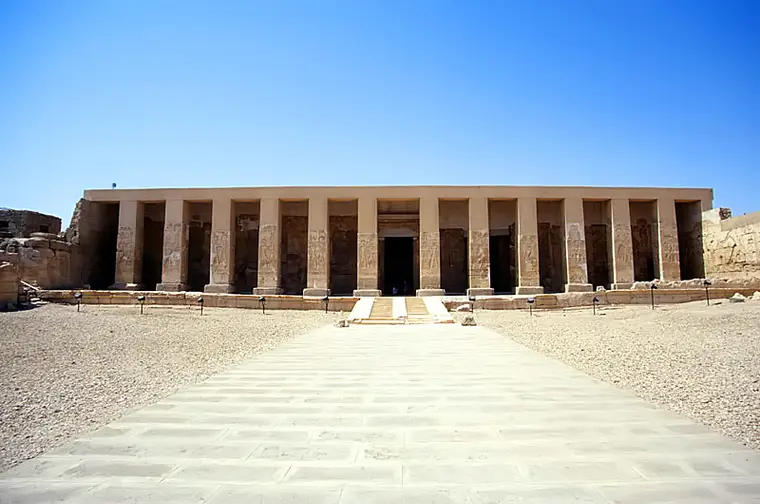
Sign-of-the-day widget
A new sign on your site every day, with one line of code.
Vostro
Ask Sawah
Egypt's scribe at your service
Ask about a king, a temple, a word or an era, and the scribe answers from Sawah's published pages alone — and points you to the page the answer came from.
Chiedi a Sawah
Answers from Sawah's pages and their sources only
Peace be upon you — I am Sawah's scribe. Ask me about Egypt's history, places, myths and words, and I will answer from what we publish, with the page to check it on.
Questo è un assistente automatico, non uno storico. Può sbagliare e le sue risposte non sono un riferimento scientifico. Verifica sempre le fonti di ogni articolo.
L'Egitto oggi
Egypt today
La tua porta sull'Egitto
L'Egitto non è un solo argomento — è un'intera civiltà
Storia, lingua, cultura, luoghi e giochi. Ognuno è un mondo, e tutti si aprono da qui.
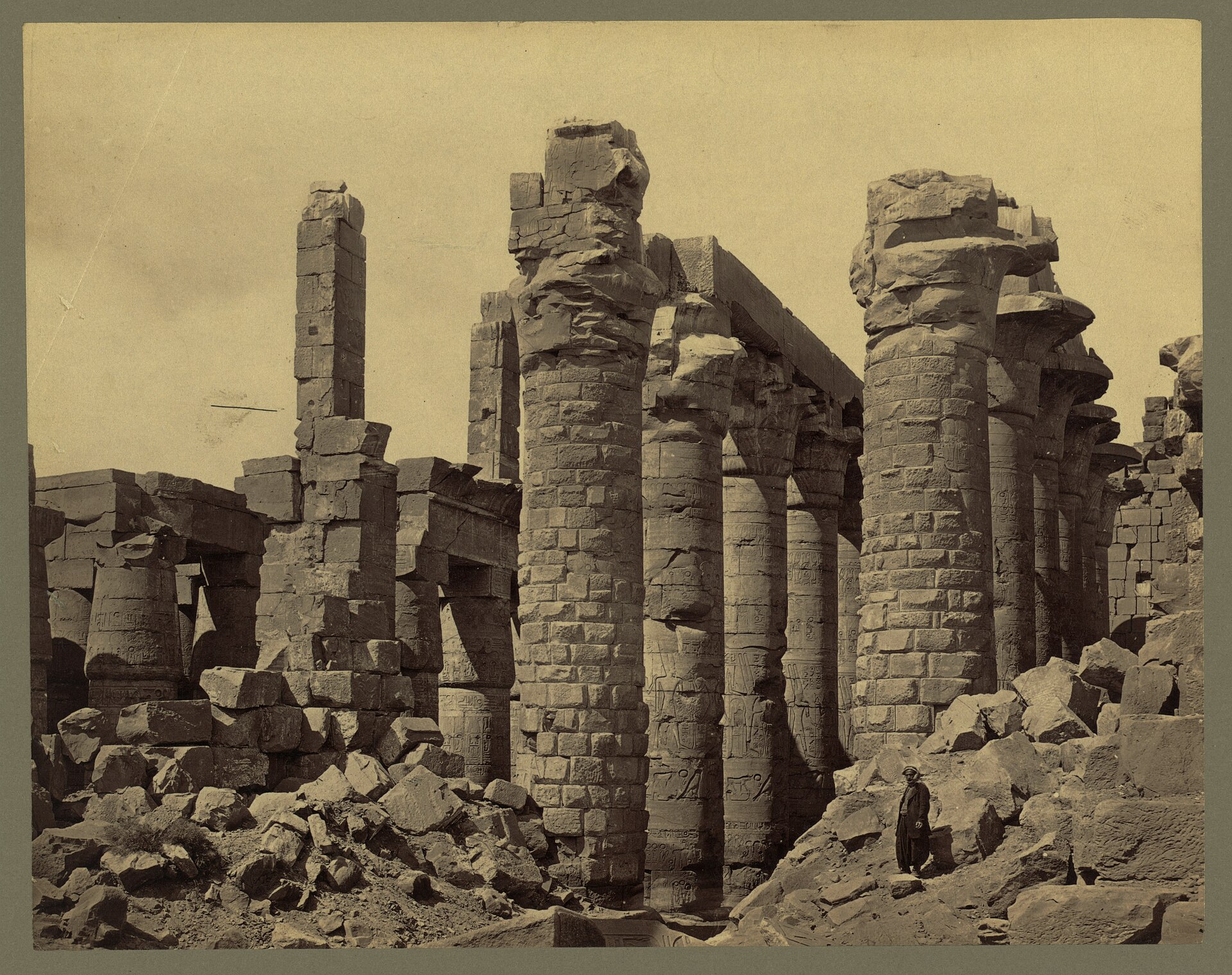
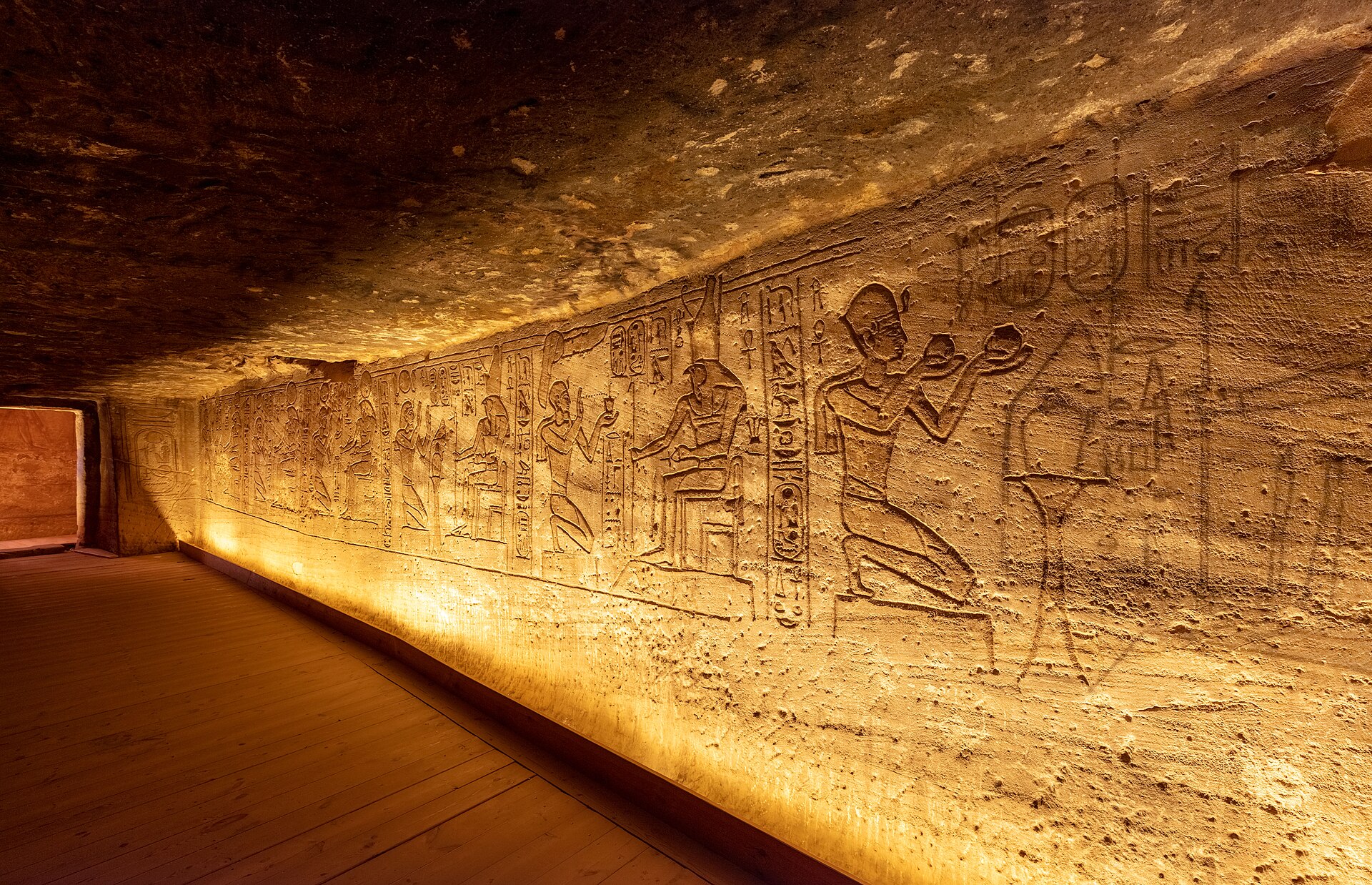
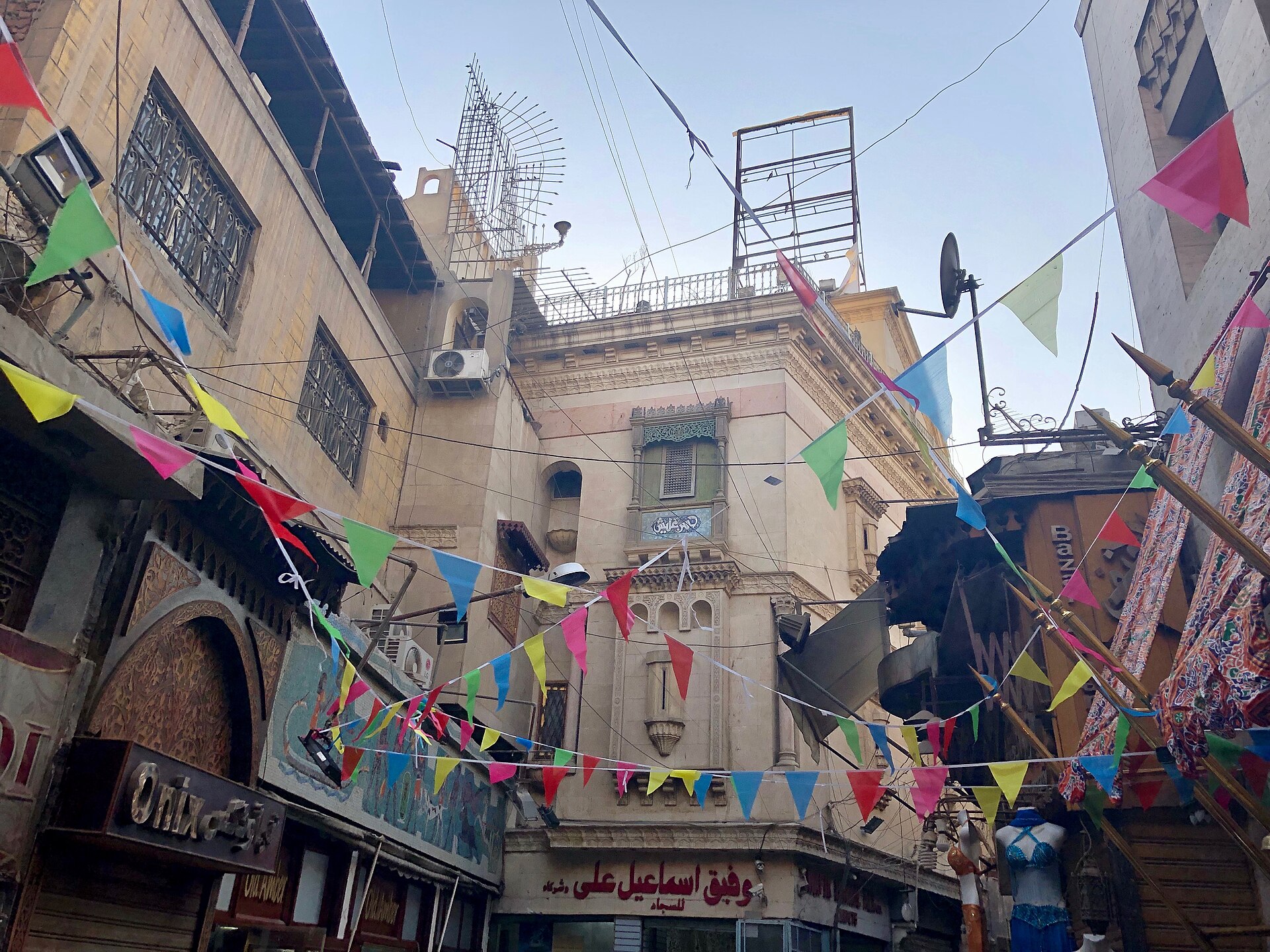
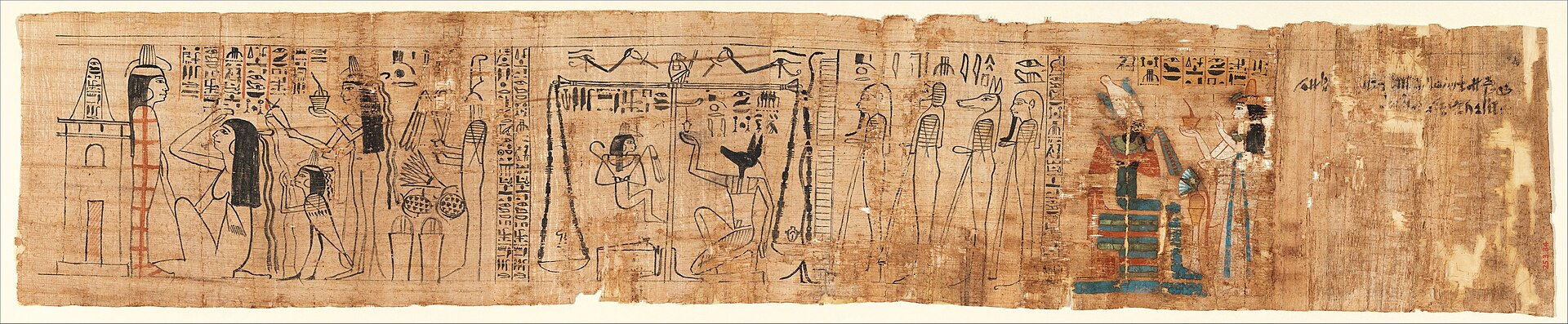
Why Sawah
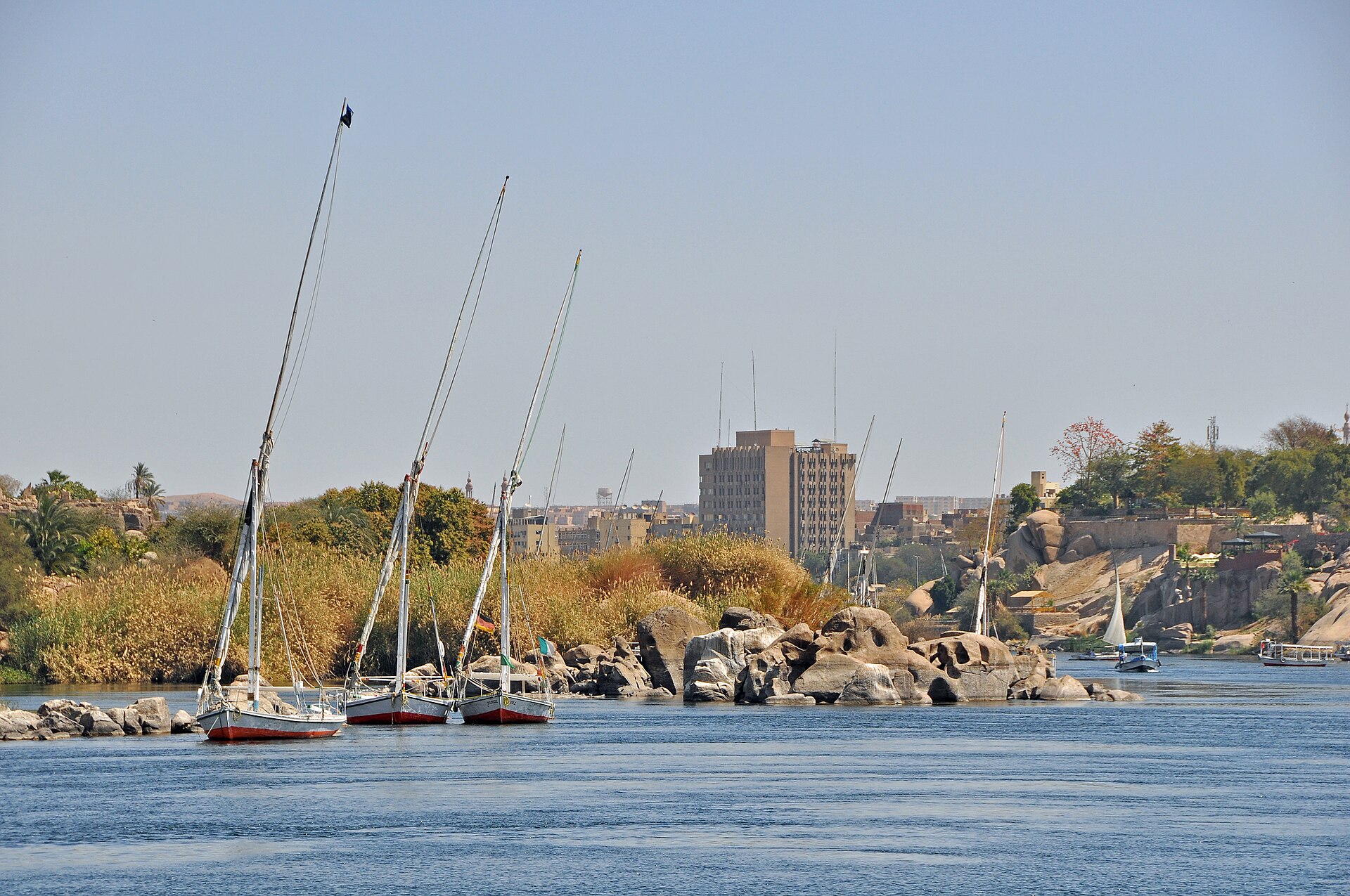
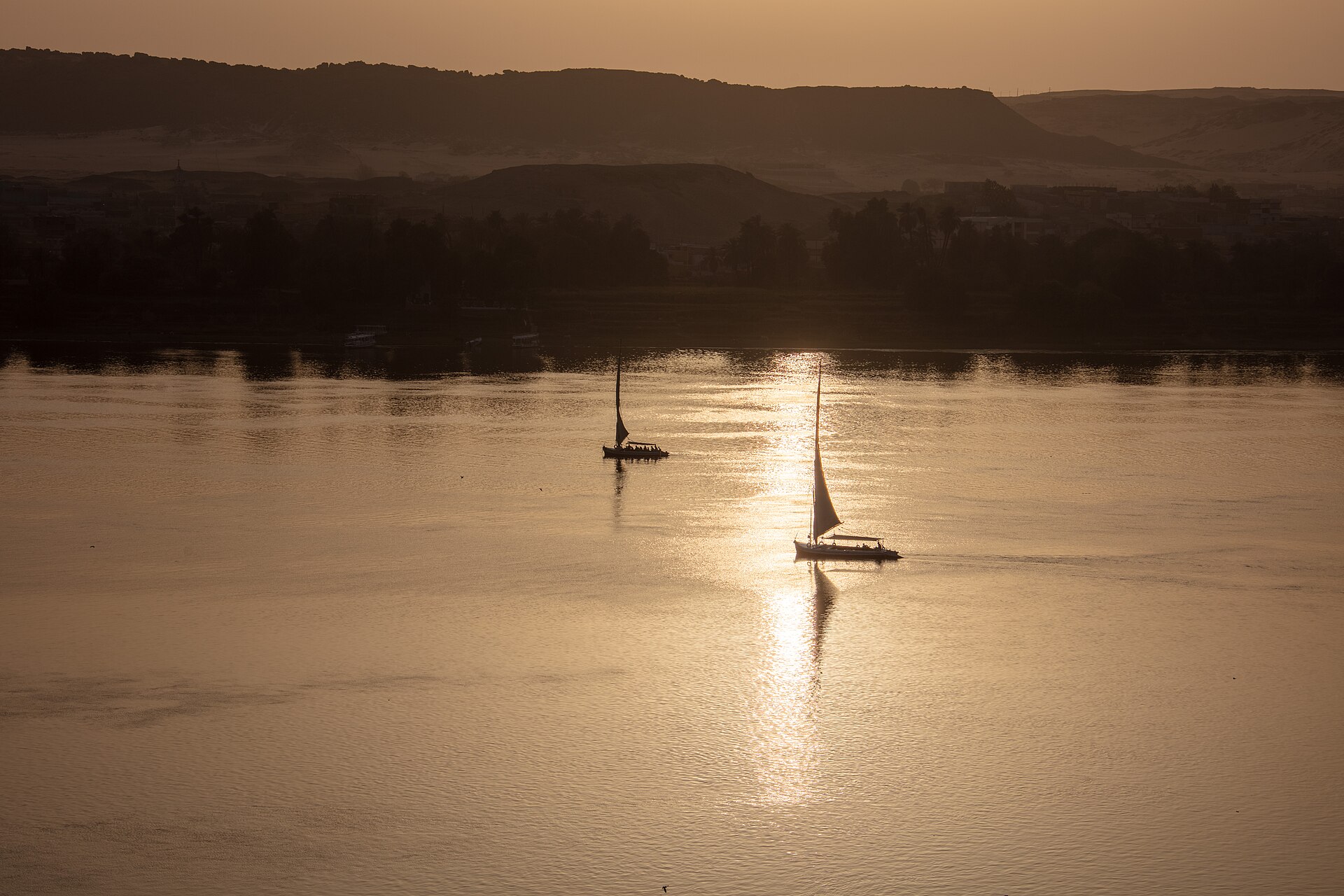
The Nile has not changed. What changed is that someone had to write the story properly.
Arabic material about ancient Egypt online is largely carelessly translated, copied without a source, or myth repeated until it passes for fact. We write it as Arabic, and every claim carries its source and its confidence level.
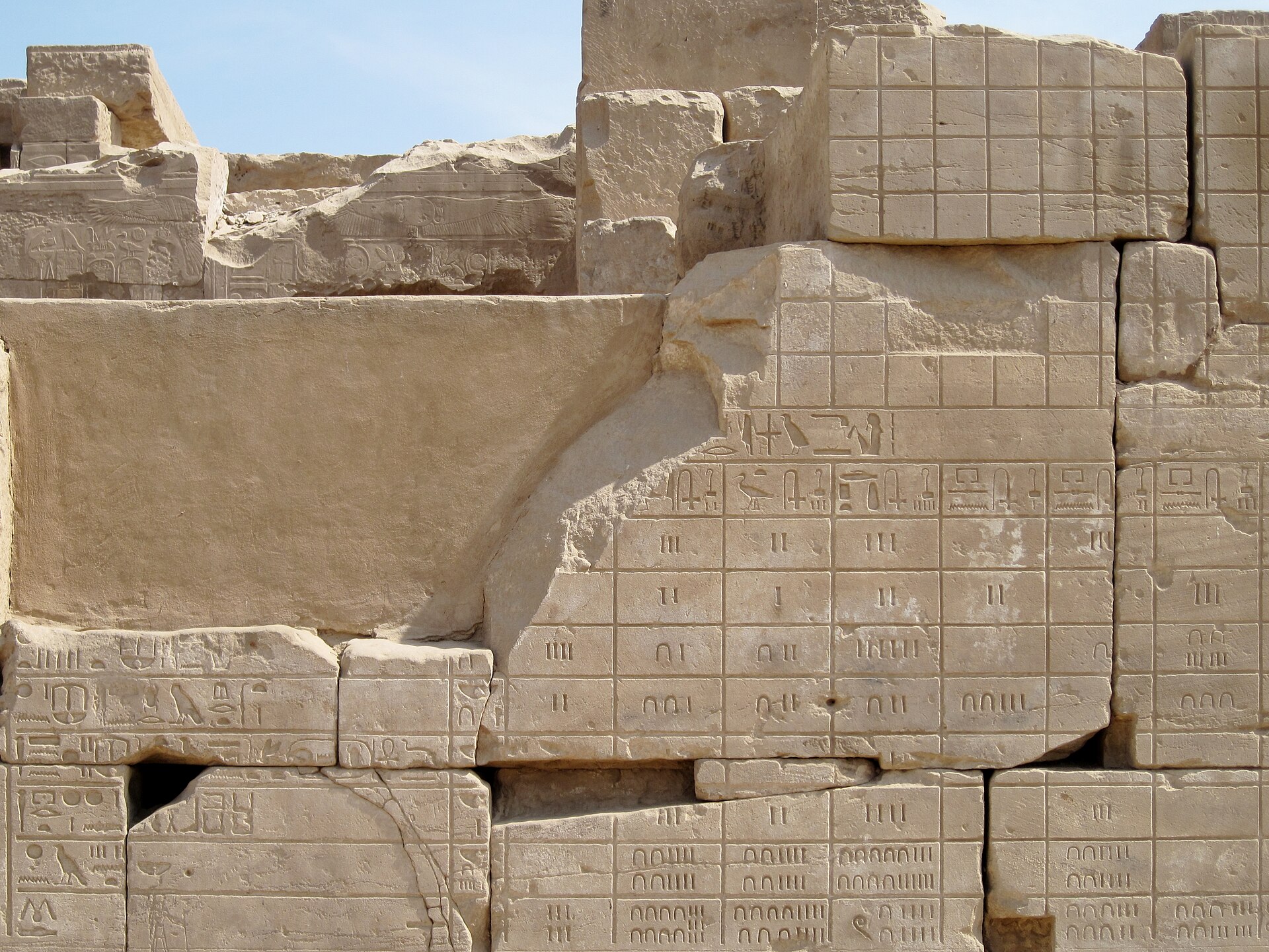
How we workNile at Aswan · Diego Delso · CC BY-SA 4.0 · Wikimedia Commons
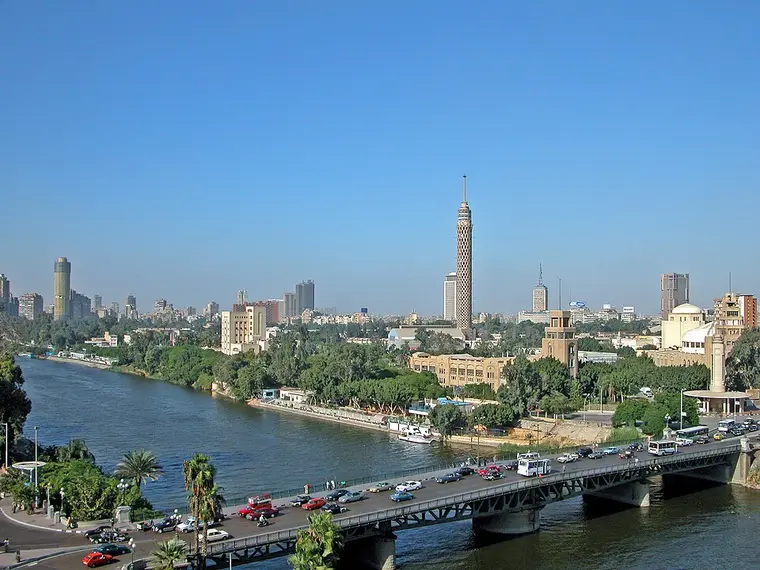
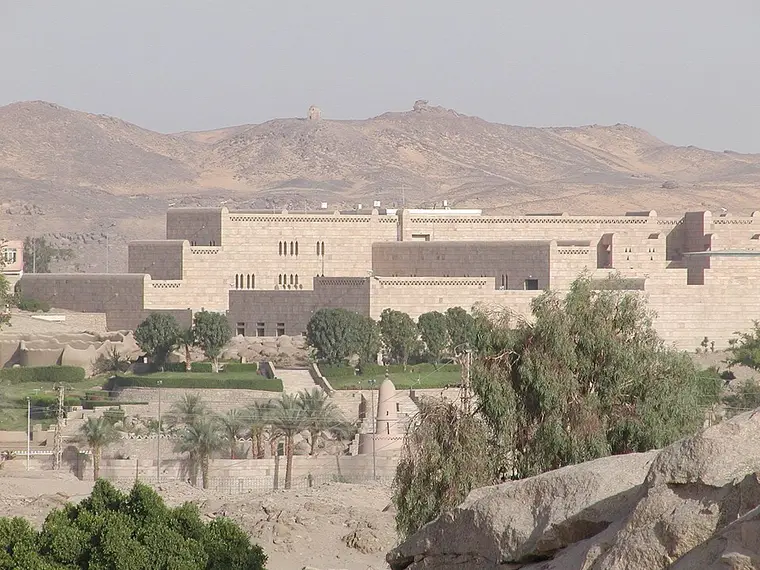
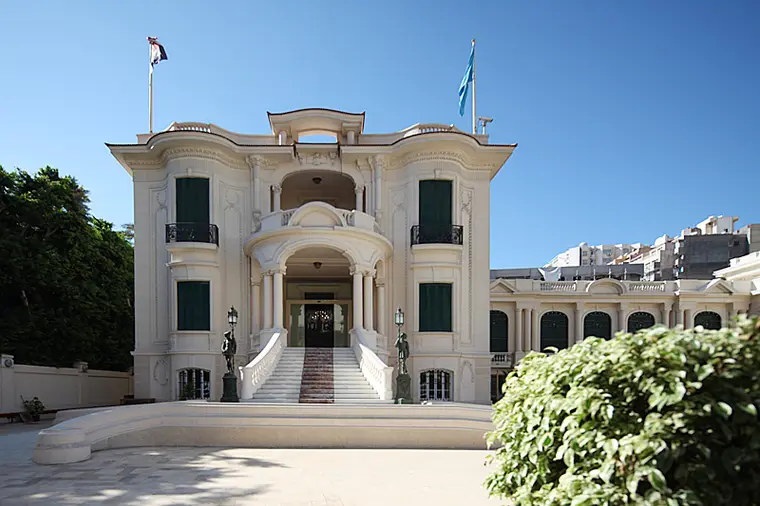
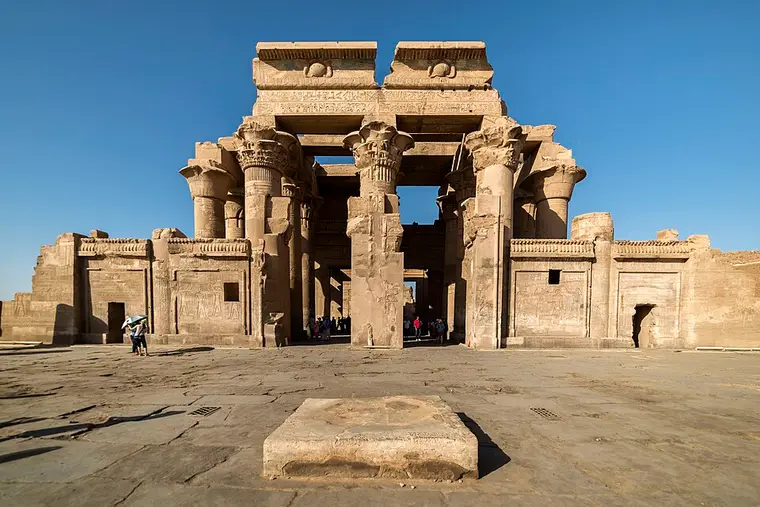
Places in Egypt
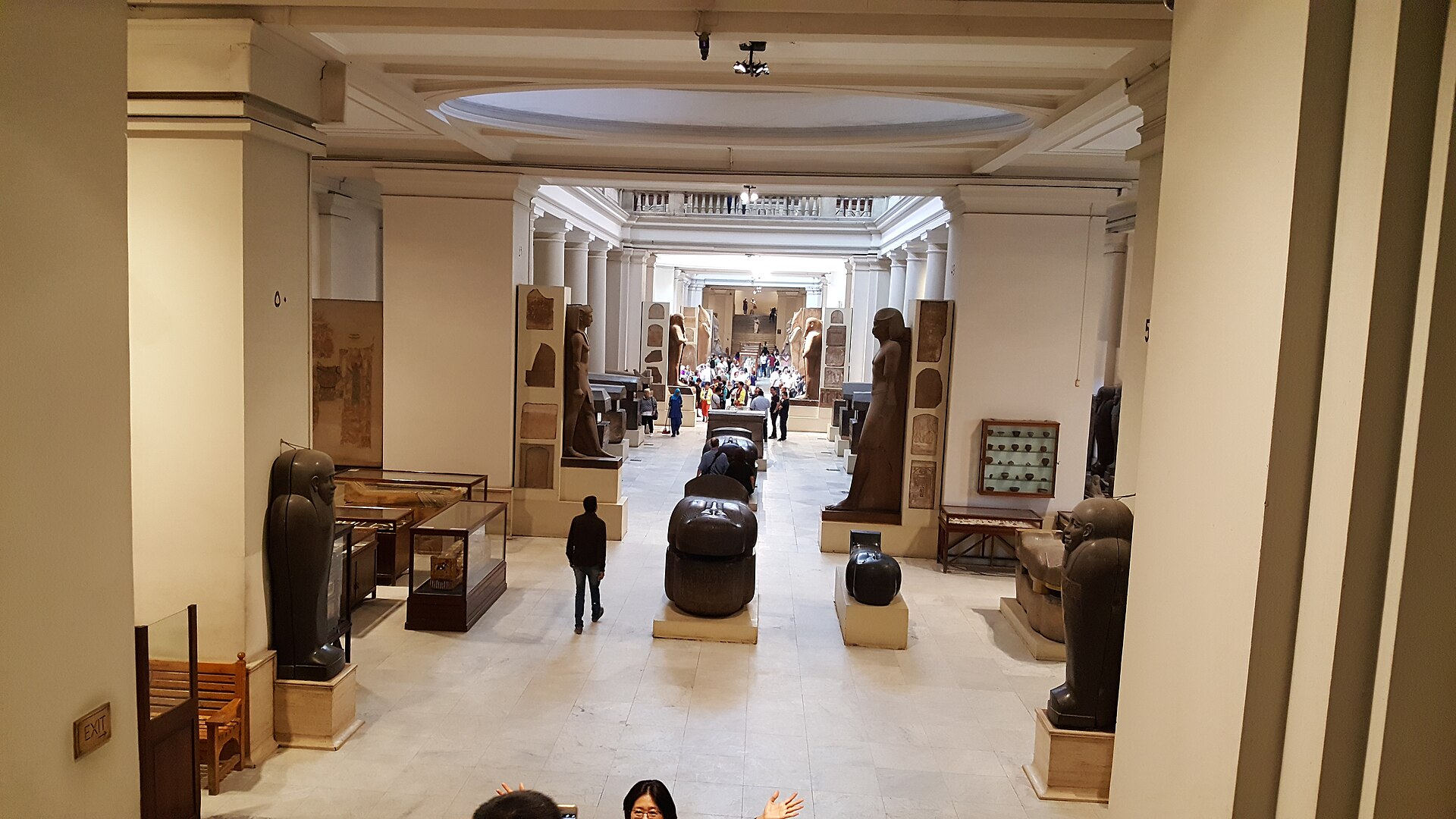
From the Egyptian Museum to Café Riche — in one place
Musei, siti storici, templi, hotel, ristoranti e svago — 1958 luoghi, ognuno con coordinate, descrizione e mappa a portata di clic.
115 places in this category
Scrivi il tuo nome
Il tuo nome in geroglifici, un segno per suono
Non lettera per lettera. Il motore scompone il nome in suoni, scrive il segno proprio di ciascuno e dice quale segno viene da quale suono — e dove ha dovuto approssimare.
- مريمmrjm
- أحمدꜣḥmd
- نورnwr
Tre nomi scritti dallo stesso motore che scriverà il tuo — non è un’illustrazione.
L’alfabeto
Ventiquattro segni, ciascuno con un suono
È quanto di più simile a un alfabeto avesse l’egizio: i segni che portano una sola consonante. Ogni nome si scrive con essi, e ogni apprendimento comincia di qui.
- ꜣa (glottal, as in 'ah')
- ji / y
- yy
- ꜥayin
- ww / u
- bb
- pp
- ff
- mm
- nn
- rr
- hh (soft)
- ḥemphatic h
- ḫkh, as in Scottish 'loch'
- ẖsofter kh
- ss
- šsh
- qemphatic q
- kk
- ghard g
- tt
- ṯtj, as in 'church'
- dd
- ḏdj
Ogni segno con la sua traslitterazione e il suo suono. L’egizio non scriveva alcuna vocale: ogni suono qui sopra è una consonante.
Il calendario
La data di oggi, in due calendari egizi
Il calendario egizio antico e quello copto sono lo stesso anno in ogni dettaglio, separati da un giorno bisestile ogni quattro anni. Guarda dove li ha portati quel solo giorno.
Copto — l’anno fisso
7 Paopi
Anno 1743 dei Martiri
Egizio antico — l’anno vago
4 Paremhat
Anno 2775 di Nabonassar
La distanza fra i due oggi
218 giorni
Un giorno bisestile ogni quattro anni, per 2.774 anni.
Parole sopravvissute
Parole che diciamo ancora — e parole che crediamo tali
Ogni voce porta la sua discendenza, un riferimento lessicografico e un grado di certezza dichiarato. Il terzo grado — diffuso e falso — è metà della rubrica, non la sua appendice.
- Accertato
𓅓𓋴𓎛mzḥتمساح
The initial t- is not part of the word: it is a feminine definite article fused onto the noun, as in timthāl. The disagreement is not about the Egyptian source but about the route. Bishai takes it through Coptic ⲧⲉⲙⲥⲁϩ; Corriente objects that Crum records the Coptic word as masculine, so a feminine article is irregular, and argues Arabic took it from Ancient Egyptian directly at an earlier stage. The best case for the Coptic route is that the feminine-articled form is itself attested in Coptic personal names (ϯⲉⲙⲥⲁϩ). The Egyptian word is given as mzḥ, as in the Thesaurus Linguae Aegyptiae; older transliteration writes msḥ — the same word.
- Discusso
ϩⲁⲗⲱⲙhalōmحالوم
Nobody doubts the two words are one; the question is which way it went. Bishai has Arabic borrowing from Coptic ϩⲁⲗⲱⲙ. Corriente notes that ḥālūm is already in the classical Arabic dictionaries, so the borrowing must be older than Bishai assumes. Vittmann — supported by Behnstedt and Woidich, as Corriente reports — argues the reverse: that Coptic took the word from Arabic. The Coptic dictionary gives it no older Egyptian source.
- Diffuso e falso
ʾ-m-nآمين
The most famous claim in this whole area: that āmīn at the end of a prayer is a survival of the god Amun's name. It does not hold up on any front. Amun, Jmn, is an Egyptian name from a root meaning “to conceal” — “the Hidden One” — recorded as such in the Berlin dictionary. Āmīn is Hebrew, from the root ʾ-m-n, “to be firm, to be faithful”, the same root behind īmān and amāna in Arabic. Two languages, two roots, two meanings; only the letters resemble each other.
La sfida del giorno
Un nome scritto in geroglifici. Di chi è?
Una domanda al giorno con l’ora del Cairo, cinque tentativi, un indizio dopo ciascuno. La tua serie resta sul tuo dispositivo.
#289
7 segni
Di chi è questo nome?
Stanze dei governatorati
Una stanza per ogni governatorato, messaggi in tempo reale
Ventisette stanze, una per ciascun governatorato egiziano. Entra nella tua e trovi gente di casa; un messaggio compare per tutti senza ricaricare.
Comunità
Quel che scrivono i membri, distinto dal contenuto redazionale
Uno spazio in cui gli egiziani scrivono dell’Egitto: una visita, una cosa che sanno, una correzione. Resta visivamente separato dall’enciclopedia, così si sa sempre chi parla.
Non ha ancora scritto nessuno. Chi comincia apre questo luogo.
Mitologia egizia
Gli dèi d’Egitto e i loro miti
148 divinità, figure e concetti che hanno plasmato il più antico racconto umano della morte, della creazione e della giustizia.
Egittologia
Egittologia: come il mondo imparò a leggere l’Egitto
991 studiosi, siti, musei e oggetti — la storia della disciplina che ha restituito all’Egitto la capacità di leggere sé stesso.
Letteratura egiziana
Letteratura egiziana
2489 opere, romanzieri e poeti.
Arte egiziana
Arte egiziana
2983 film, attori, registi e cantanti.
The Sawah app
Sawah, ovunque tu vada
Tutto il sito — enciclopedia, cartiglio, sfida quotidiana e luoghi — in un'unica app, anche offline.
- Read articles offline — on the metro, or standing in the temple itself.
- A nudge for today's challenge and today's sign.
- Your learning progress moves between phone and web without being lost.