The Digital Encyclopedia of Egypt
Seven thousand years, in one place
Sourced history, a script you can learn and write your name in, and culture, places and games. Sawah is not a site about Egypt — it is Egypt, arranged so you can know it and live it.
- Every fact sourced
- Fully Arabic and English
- Completely free
1 072
hieroglyphic signs indexed and machine-verified against the Unicode database
- Every historical claim is tied to a source, with its confidence level stated beside it.
- The sign catalogue is machine-verified against Unicode, and we intend to publish it as open data.
- Not an archive — a cartouche you write, a daily challenge, a working Egyptian calendar.
1 072
signs indexed
26
historical periods
7
major eras
2
languages from day one
L’index complet
Tout Sawah, sur un seul écran
Dix-huit portes, toutes ouvertes : des archives à lire, des outils à utiliser, et des espaces où c’est vous qui écrivez. Chaque chiffre ci-dessous est compté sur les données elles-mêmes au chargement, jamais saisi à la main.
À lire et explorer
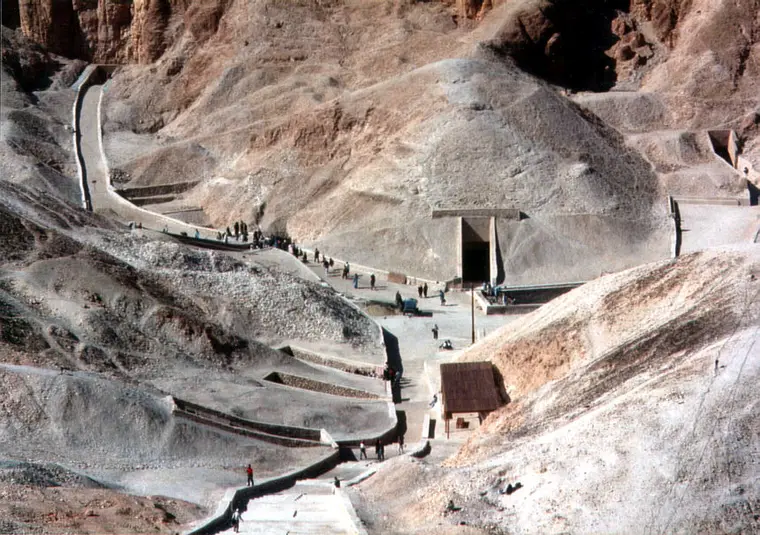
History
Prehistory to the Republic, chapter by chapter, each with its sources beneath it.
26 périodes historiques
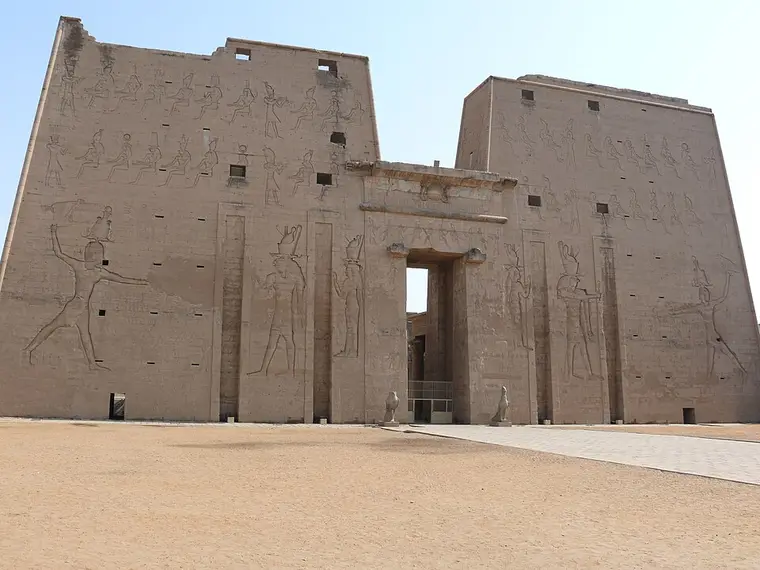
Hieroglyphs
The sign catalogue in Gardiner order, with transliteration, meaning and Unicode.
1 072 signes
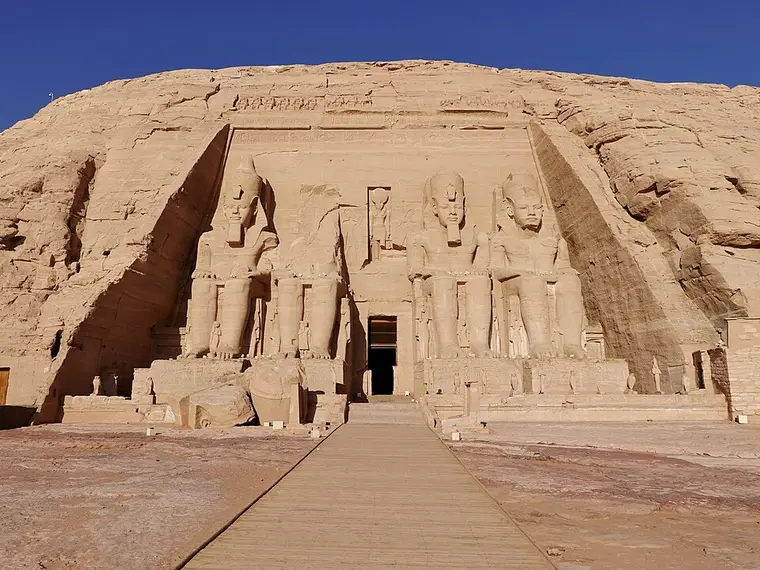
Places
Museums, temples, archaeological sites and reserves, filtered by governorate and kind.
1 958 lieux
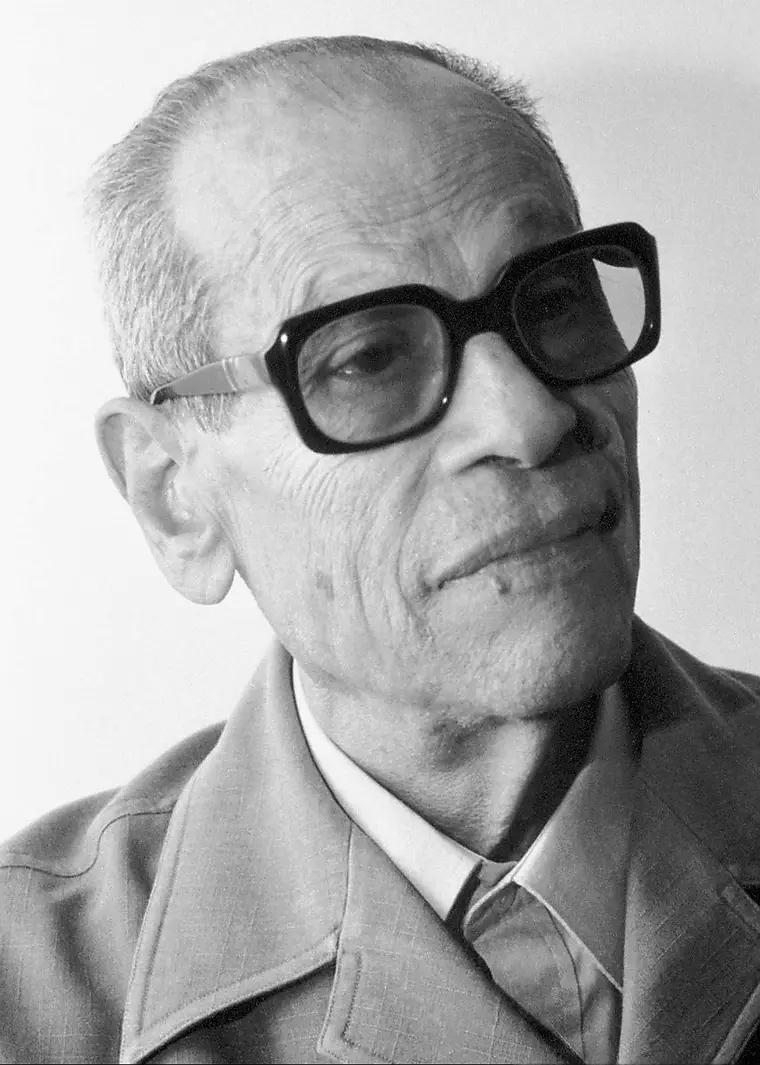
Literature
Novels, collections, authors and poets, each with an extract from its article.
2 489 fiches
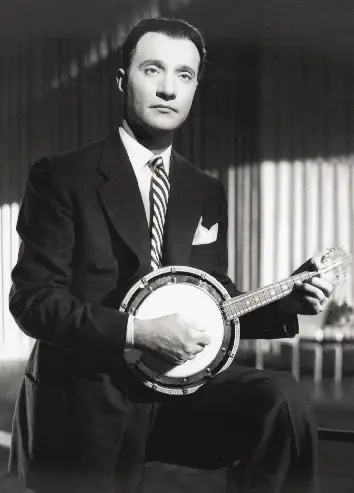
Art and cinema
Films, actors, directors and singers — the memory of Egyptian cinema and song.
2 983 fiches
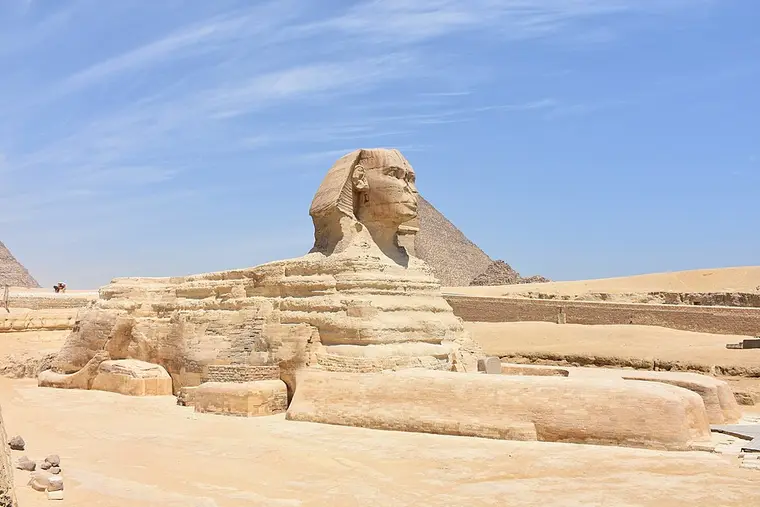
Mythology
The deities, the creatures and the ideas, and where each story comes from.
148 fiches
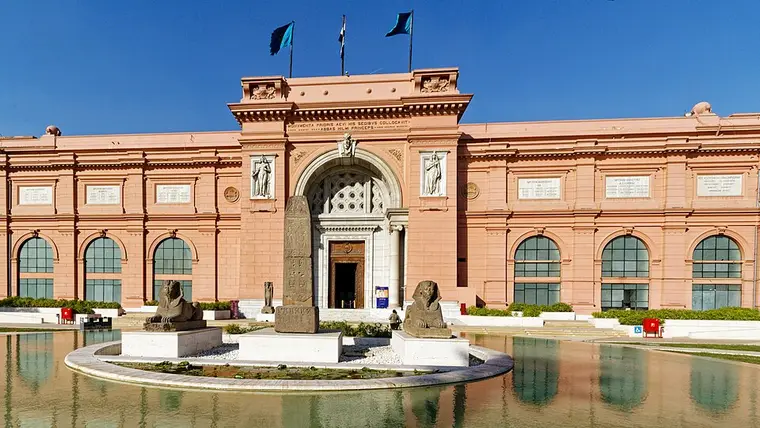
Egyptology
The scholars, sites, museums and objects — how the discipline itself was built.
991 fiches
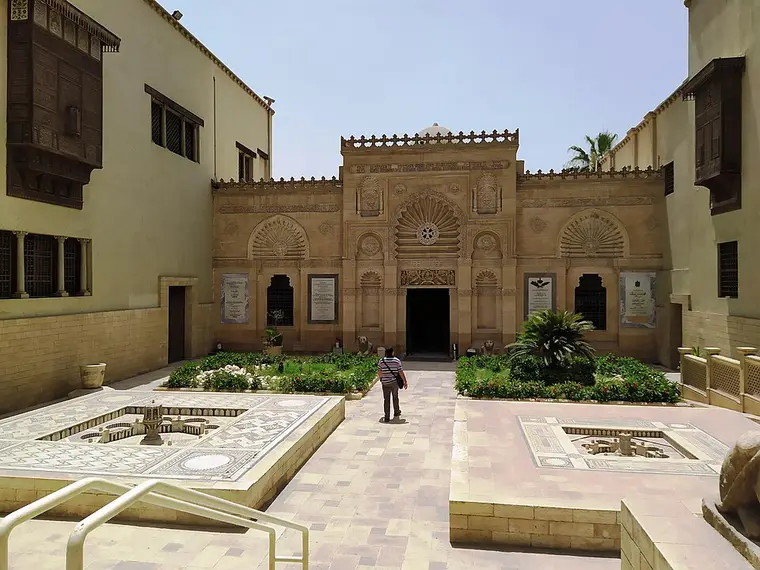
Surviving words
Ancient Egyptian words Egyptians still say — and the ones we think are, but aren’t.
67 mots
News
What is written about Egypt at home and abroad; the full read stays with the publisher.
À utiliser et essayer
Cartouche
Write your name in hieroglyphs inside a cartouche, with every sign explained.
Daily challenge
A new question every day on Cairo time, and your streak kept.
Practise the signs
Spaced repetition on the signs, starting with the twenty-four uniliterals.
The alphabet
The whole hieroglyphic alphabet in one table, for a quick look-up.
The calendar
Both Egyptian calendars — ancient and Coptic — computed for today, and the gap between them.
Ask Sawah
Ask anything in the encyclopedia; the answer is tied to what we actually hold.
Which ancient Egyptian are you?
Six questions, ending on a real person with their story and its source.
Your company name in hieroglyphs
Your company's name as a phonetic approximation, ready as a logo.
Phone wallpapers
Well-known hieroglyphs sized for your phone, free.
Sign-of-the-day widget
A new sign on your site every day, with one line of code.
Ce qui est à vous
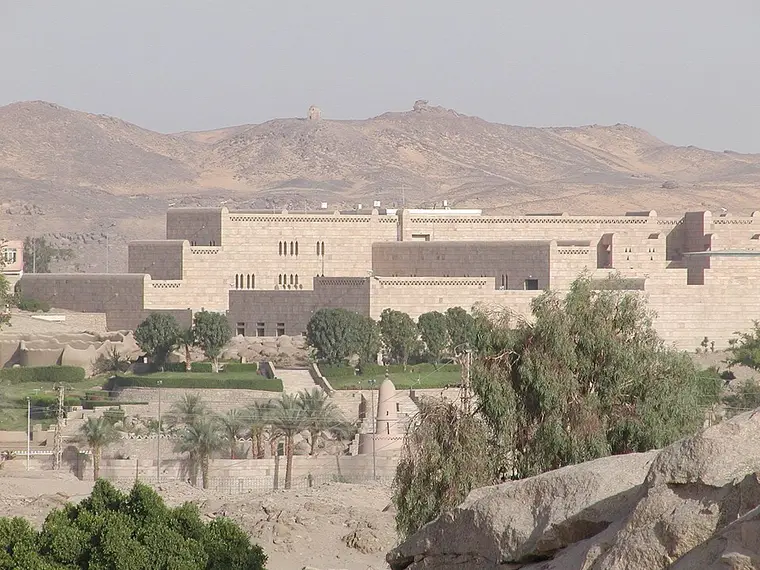
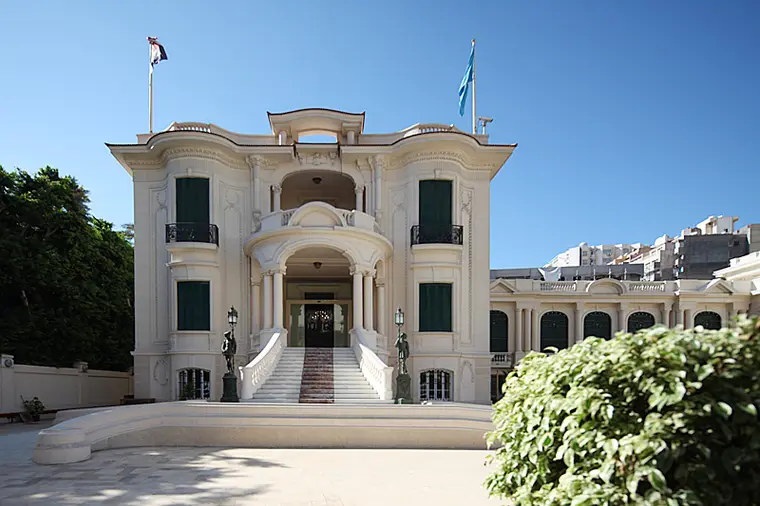
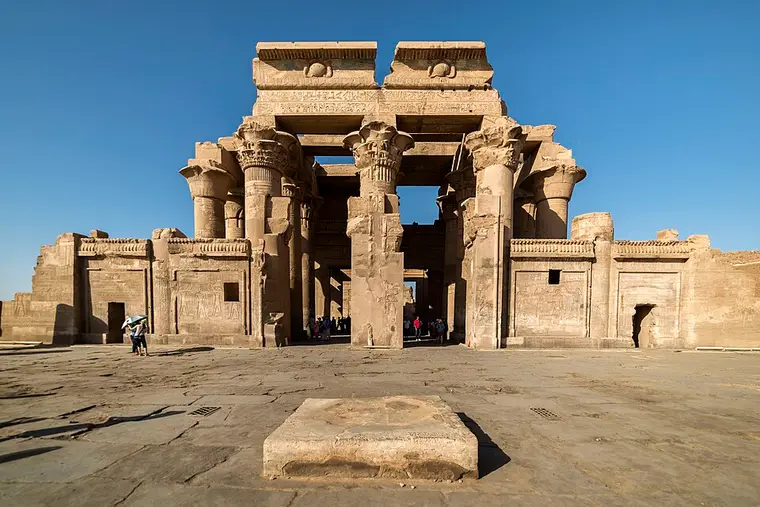
Ask Sawah
Egypt's scribe at your service
Ask about a king, a temple, a word or an era, and the scribe answers from Sawah's published pages alone — and points you to the page the answer came from.
Demandez à Sawah
Answers from Sawah's pages and their sources only
Peace be upon you — I am Sawah's scribe. Ask me about Egypt's history, places, myths and words, and I will answer from what we publish, with the page to check it on.
Ceci est un assistant automatisé, pas un historien. Il peut se tromper et ses réponses ne constituent pas une référence scientifique. Vérifiez toujours les sources de chaque article.
L'Égypte aujourd'hui
Egypt today
Votre porte vers l'Égypte
L'Égypte n'est pas un seul sujet — c'est une civilisation entière
Histoire, langue, culture, lieux et jeux. Chacun est un monde, et tous s'ouvrent ici.
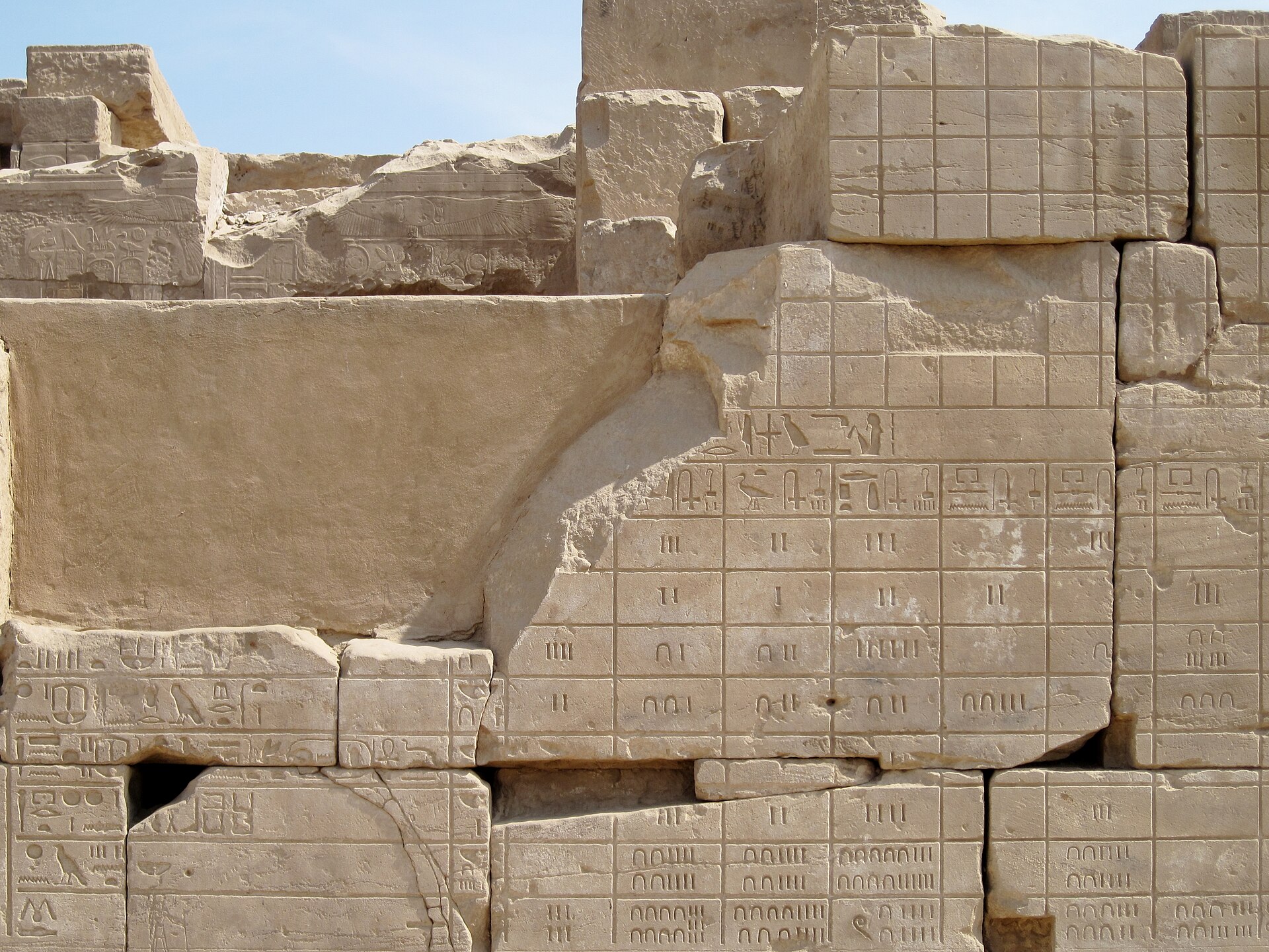
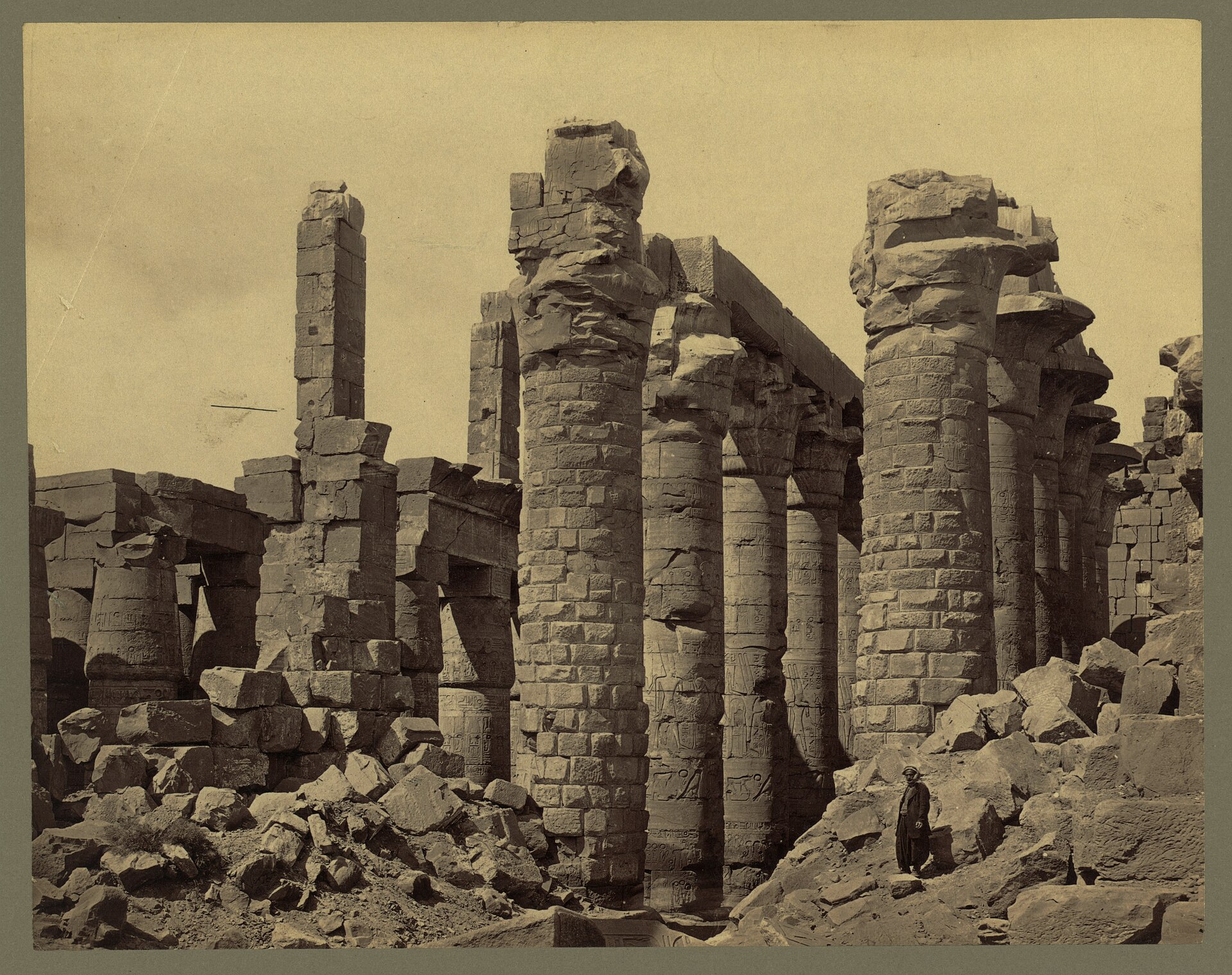
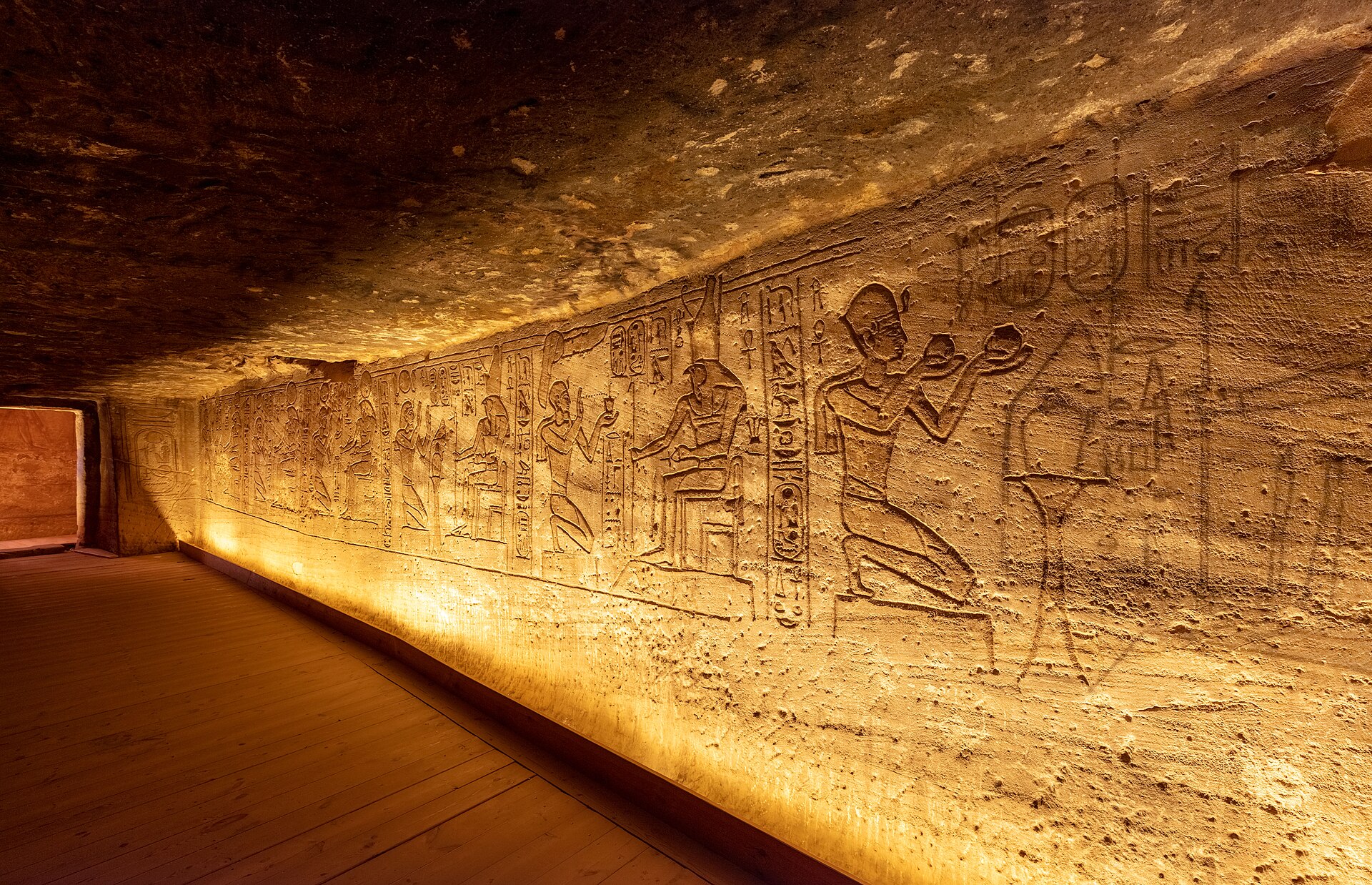
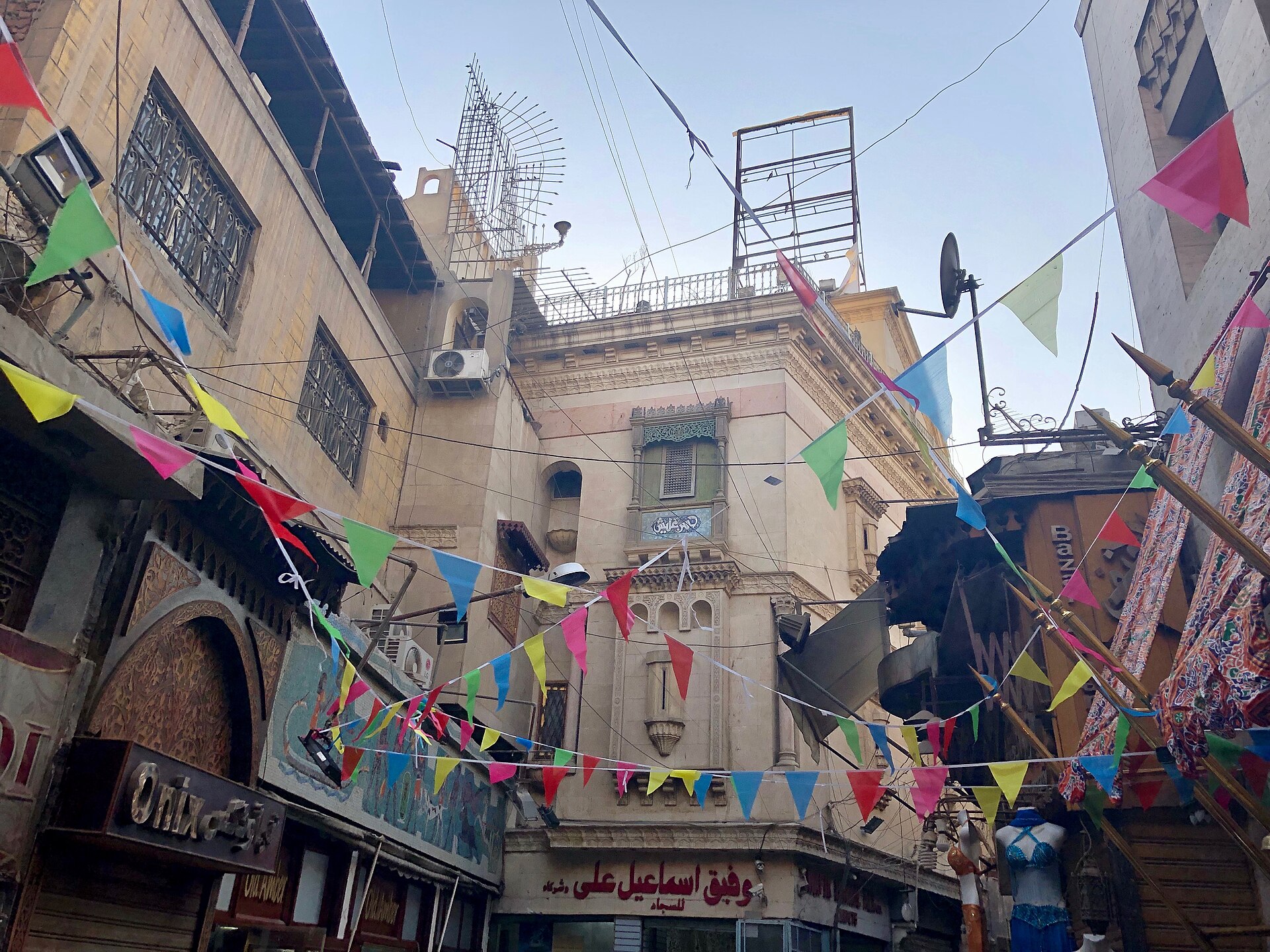
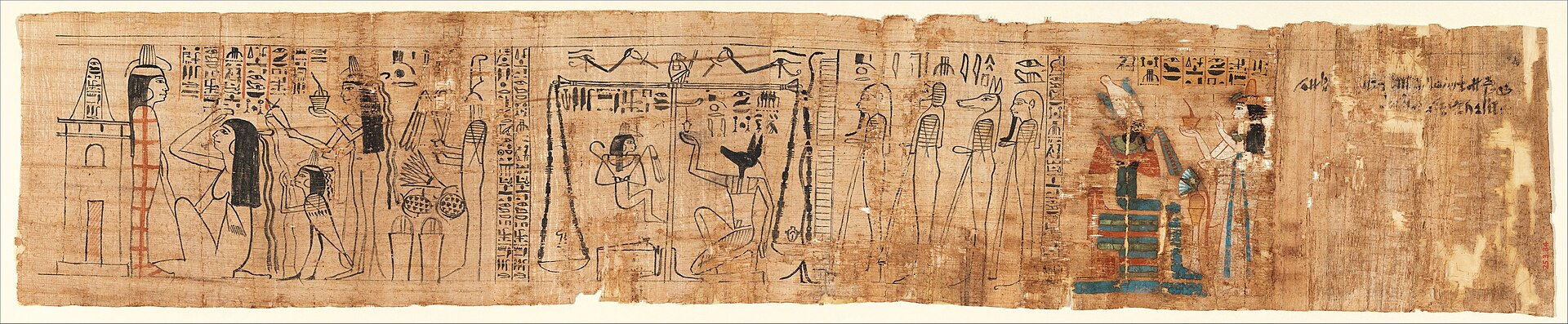
Why Sawah
The Nile has not changed. What changed is that someone had to write the story properly.
Arabic material about ancient Egypt online is largely carelessly translated, copied without a source, or myth repeated until it passes for fact. We write it as Arabic, and every claim carries its source and its confidence level.
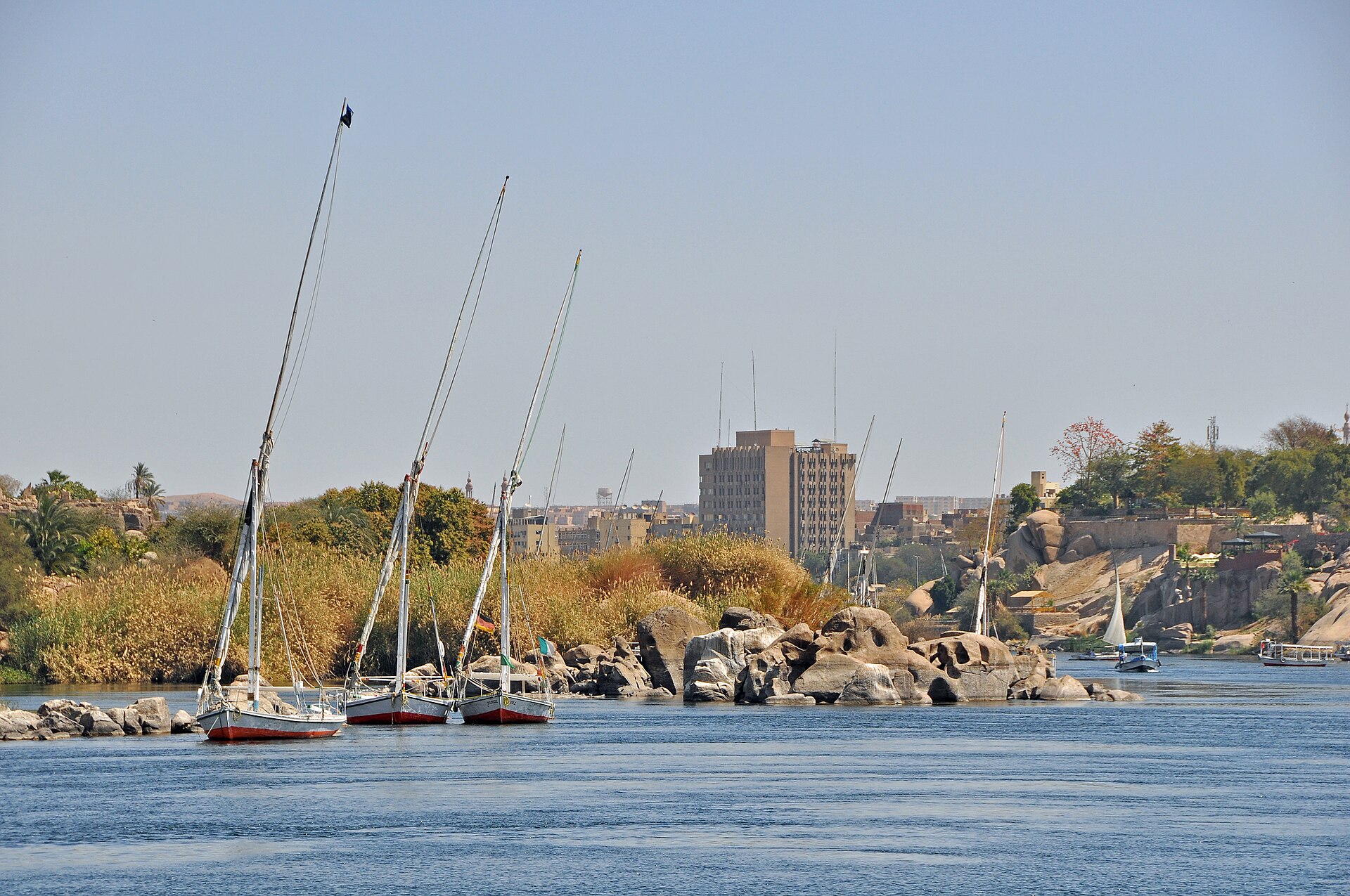
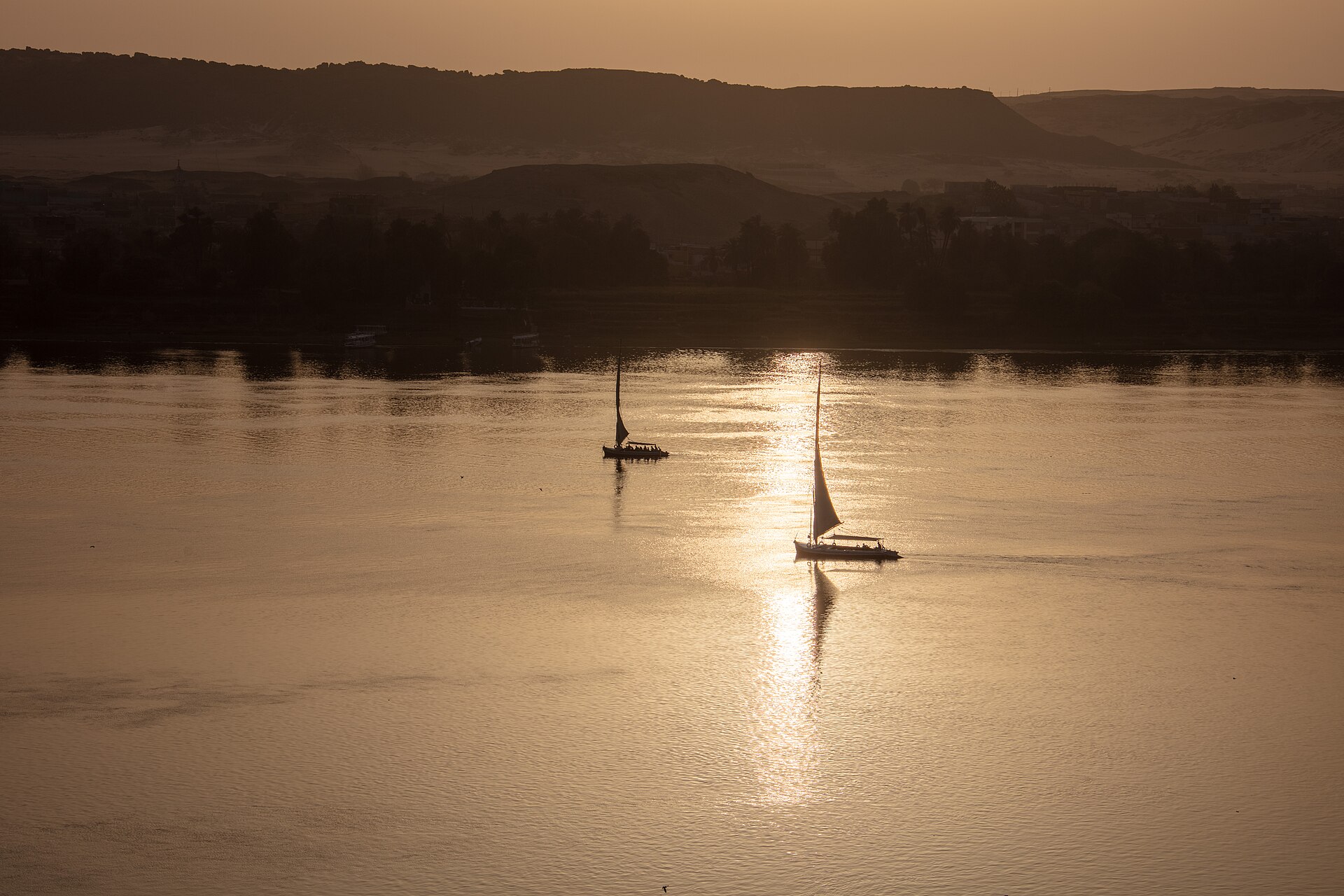
How we workNile at Aswan · Diego Delso · CC BY-SA 4.0 · Wikimedia Commons
Places in Egypt
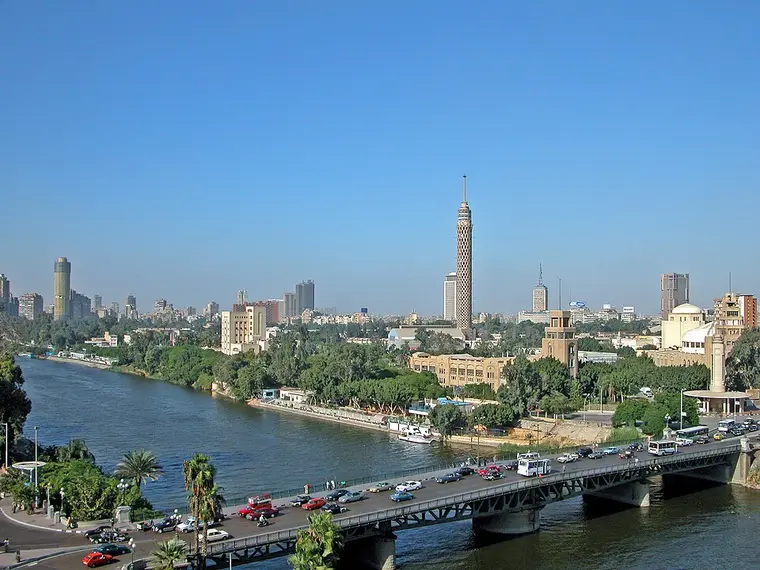
From the Egyptian Museum to Café Riche — in one place
Musées, sites patrimoniaux, temples, hôtels, restaurants et loisirs — 1958 lieux, chacun avec ses coordonnées, une description et un accès direct à la carte.
115 places in this category
Écrivez votre nom
Votre nom en hiéroglyphes, un signe par son
Pas lettre à lettre. Le moteur décompose le nom en sons, écrit le signe propre à chacun, et indique quel signe vient de quel son — et où il a dû approcher.
- مريمmrjm
- أحمدꜣḥmd
- نورnwr
Trois noms écrits par le moteur même qui écrira le vôtre — ce n’est pas une illustration.
L’alphabet
Vingt-quatre signes, chacun portant un son
Voici ce que l’égyptien avait de plus proche d’un alphabet : les signes qui portent une seule consonne. Tout nom s’écrit avec eux, et tout apprentissage commence là.
- ꜣa (glottal, as in 'ah')
- ji / y
- yy
- ꜥayin
- ww / u
- bb
- pp
- ff
- mm
- nn
- rr
- hh (soft)
- ḥemphatic h
- ḫkh, as in Scottish 'loch'
- ẖsofter kh
- ss
- šsh
- qemphatic q
- kk
- ghard g
- tt
- ṯtj, as in 'church'
- dd
- ḏdj
Chaque signe avec sa translittération et son son. L’égyptien n’écrivait aucune voyelle : tout son ci-dessus est une consonne.
Le calendrier
La date du jour, dans deux calendriers égyptiens
Le calendrier égyptien antique et le calendrier copte sont la même année dans toute leur structure, à un jour bissextile près tous les quatre ans. Voyez où ce seul jour les a menés.
Copte — l’année fixe
7 Paopi
An 1743 des Martyrs
Égyptien antique — l’année vague
4 Paremhat
An 2775 de Nabonassar
L’écart entre les deux aujourd’hui
218 jours
Un jour bissextile tous les quatre ans, pendant 1 460 ans et davantage.
Mots survivants
Des mots que l’on dit encore — et d’autres qu’on croit tels
Chaque entrée porte sa filiation, une référence lexicographique et un degré de certitude déclaré. Le troisième degré — répandu et faux — est la moitié de la rubrique, non son annexe.
- Établi
𓅓𓋴𓎛mzḥتمساح
The initial t- is not part of the word: it is a feminine definite article fused onto the noun, as in timthāl. The disagreement is not about the Egyptian source but about the route. Bishai takes it through Coptic ⲧⲉⲙⲥⲁϩ; Corriente objects that Crum records the Coptic word as masculine, so a feminine article is irregular, and argues Arabic took it from Ancient Egyptian directly at an earlier stage. The best case for the Coptic route is that the feminine-articled form is itself attested in Coptic personal names (ϯⲉⲙⲥⲁϩ). The Egyptian word is given as mzḥ, as in the Thesaurus Linguae Aegyptiae; older transliteration writes msḥ — the same word.
- Discuté
ϩⲁⲗⲱⲙhalōmحالوم
Nobody doubts the two words are one; the question is which way it went. Bishai has Arabic borrowing from Coptic ϩⲁⲗⲱⲙ. Corriente notes that ḥālūm is already in the classical Arabic dictionaries, so the borrowing must be older than Bishai assumes. Vittmann — supported by Behnstedt and Woidich, as Corriente reports — argues the reverse: that Coptic took the word from Arabic. The Coptic dictionary gives it no older Egyptian source.
- Répandu et faux
ʾ-m-nآمين
The most famous claim in this whole area: that āmīn at the end of a prayer is a survival of the god Amun's name. It does not hold up on any front. Amun, Jmn, is an Egyptian name from a root meaning “to conceal” — “the Hidden One” — recorded as such in the Berlin dictionary. Āmīn is Hebrew, from the root ʾ-m-n, “to be firm, to be faithful”, the same root behind īmān and amāna in Arabic. Two languages, two roots, two meanings; only the letters resemble each other.
Le défi du jour
Un nom écrit en hiéroglyphes. De qui s’agit-il ?
Une question par jour à l’heure du Caire, cinq essais, un indice après chacun. Votre série est conservée sur votre appareil.
#289
7 signes
À qui appartient ce nom ?
Salons par gouvernorat
Un salon par gouvernorat, les messages en direct
Vingt-sept salons, un par gouvernorat égyptien. Entrez dans le vôtre et retrouvez les gens de chez vous ; un message s’affiche pour tous sans recharger la page.
Communauté
Ce qu’écrivent les membres, distinct du contenu éditorial
Un espace où les Égyptiens écrivent sur l’Égypte : une visite, un savoir, une correction. Il reste visuellement séparé de l’encyclopédie, pour qu’on sache toujours qui parle.
Personne n’a encore écrit. Le premier à le faire ouvrira ce lieu.
Mythologie égyptienne
Les dieux d’Égypte et leurs mythes
148 divinités, figures et notions qui ont façonné le plus ancien récit humain de la mort, de la création et de la justice.
Égyptologie
L’égyptologie : comment le monde a appris à lire l’Égypte
991 savants, sites, musées et objets — l’histoire de la discipline qui a rendu à l’Égypte la capacité de se lire elle-même.
Littérature égyptienne
Littérature égyptienne
2489 œuvres, romanciers et poètes.
Art égyptien
Art égyptien
2983 films, acteurs, réalisateurs et chanteurs.
The Sawah app
Sawah, partout avec vous
Tout le site — l'encyclopédie, le cartouche, le défi quotidien et les lieux — dans une seule application, même hors ligne.
- Read articles offline — on the metro, or standing in the temple itself.
- A nudge for today's challenge and today's sign.
- Your learning progress moves between phone and web without being lost.