The Digital Encyclopedia of Egypt
Seven thousand years, in one place
Sourced history, a script you can learn and write your name in, and culture, places and games. Sawah is not a site about Egypt — it is Egypt, arranged so you can know it and live it.
- Every fact sourced
- Fully Arabic and English
- Completely free
1.072
hieroglyphic signs indexed and machine-verified against the Unicode database
- Every historical claim is tied to a source, with its confidence level stated beside it.
- The sign catalogue is machine-verified against Unicode, and we intend to publish it as open data.
- Not an archive — a cartouche you write, a daily challenge, a working Egyptian calendar.
1.072
signs indexed
26
historical periods
7
major eras
2
languages from day one
Das vollständige Verzeichnis
Alles in Sawah, auf einem Bildschirm
Achtzehn Türen, alle offen: Archive zum Lesen, Werkzeuge zum Benutzen und Orte, an denen Sie selbst schreiben. Jede Zahl unten wird beim Laden aus den Daten selbst gezählt, nie von Hand eingetragen.
Zum Lesen und Erkunden
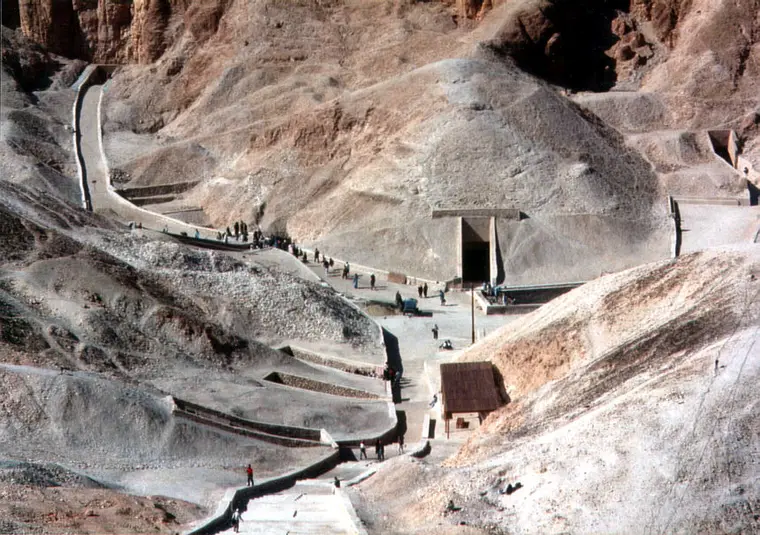
History
Prehistory to the Republic, chapter by chapter, each with its sources beneath it.
26 historische Perioden
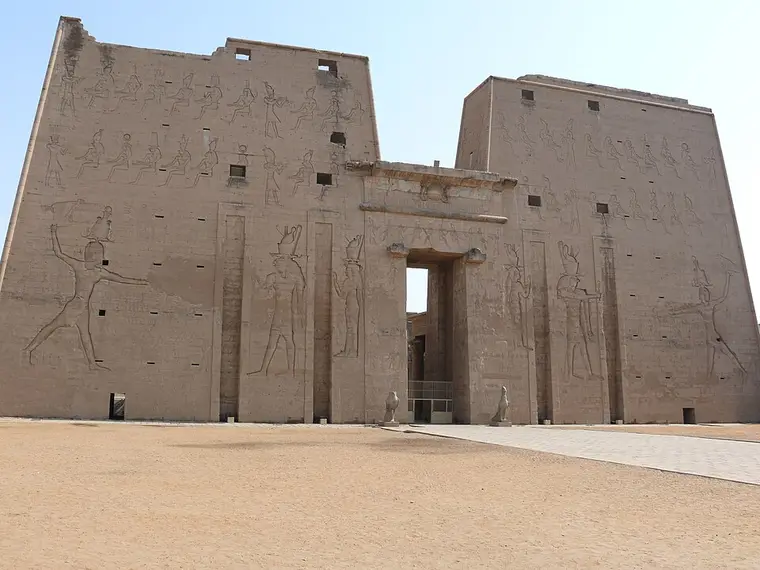
Hieroglyphs
The sign catalogue in Gardiner order, with transliteration, meaning and Unicode.
1.072 Zeichen
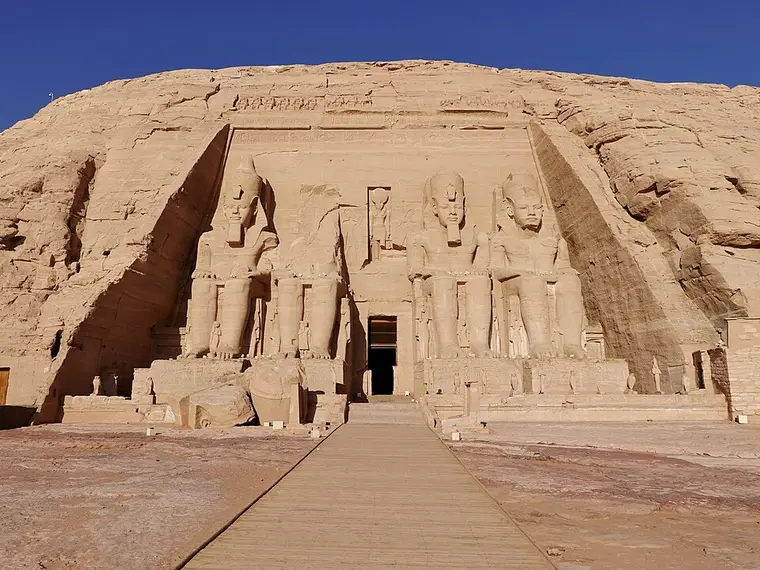
Places
Museums, temples, archaeological sites and reserves, filtered by governorate and kind.
1.958 Orte
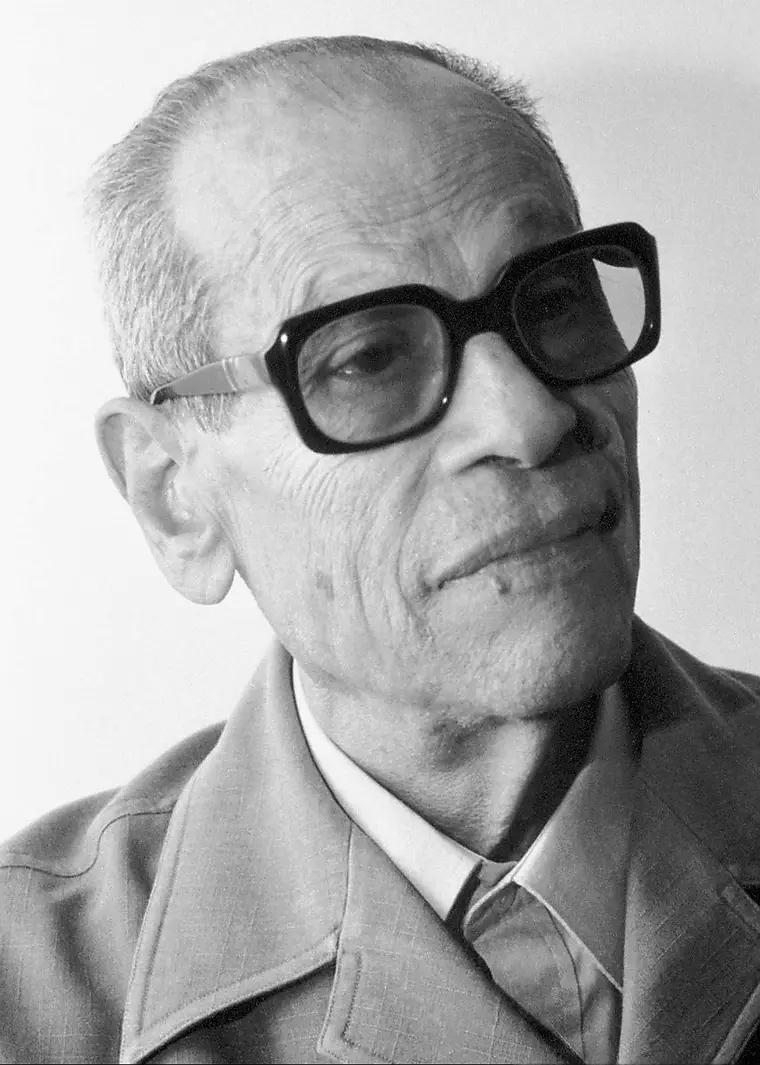
Literature
Novels, collections, authors and poets, each with an extract from its article.
2.489 Einträge
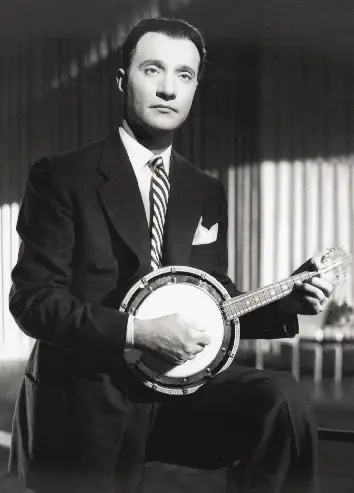
Art and cinema
Films, actors, directors and singers — the memory of Egyptian cinema and song.
2.983 Einträge
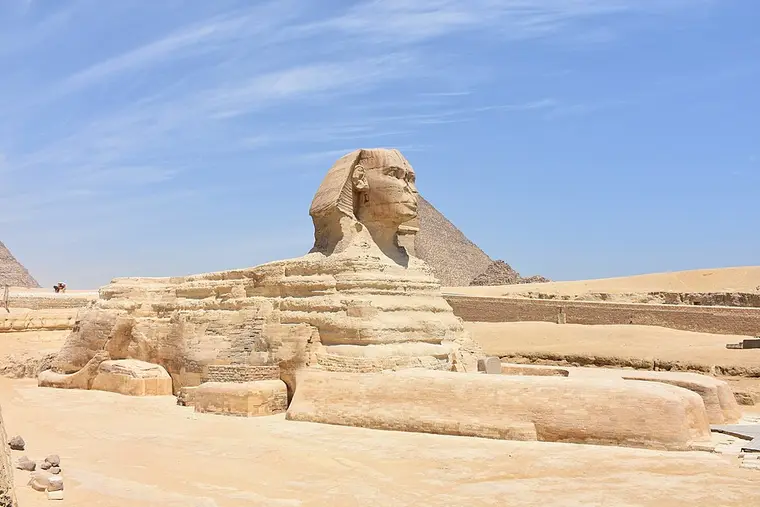
Mythology
The deities, the creatures and the ideas, and where each story comes from.
148 Einträge
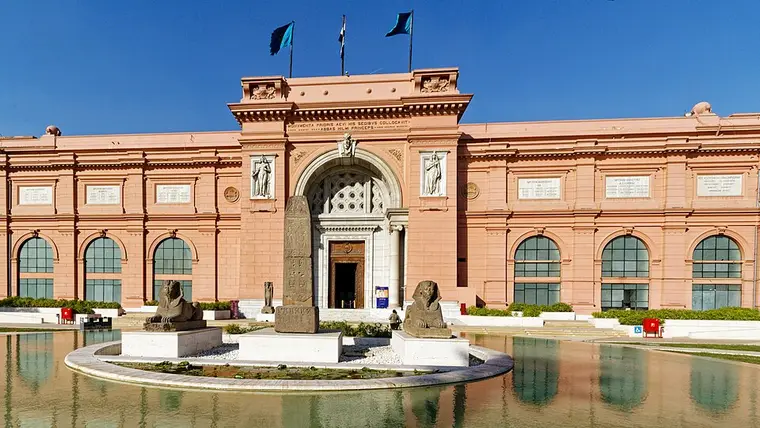
Egyptology
The scholars, sites, museums and objects — how the discipline itself was built.
991 Einträge
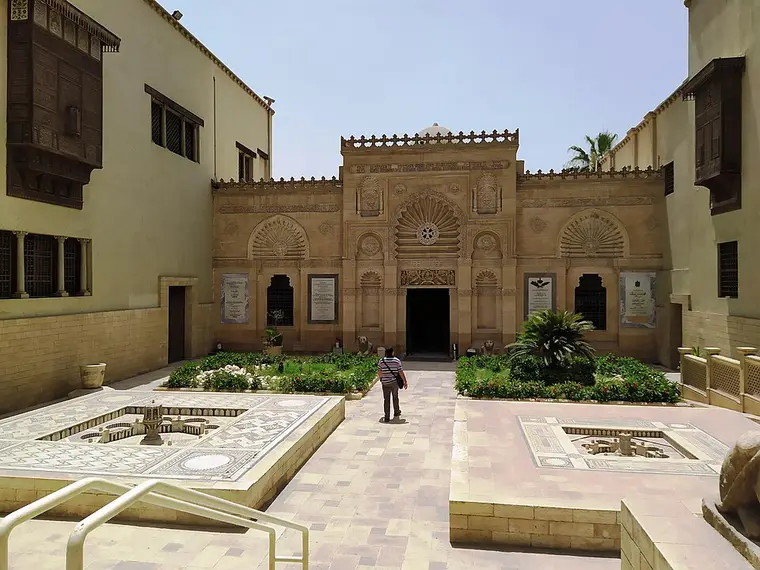
Surviving words
Ancient Egyptian words Egyptians still say — and the ones we think are, but aren’t.
67 Wörter
News
What is written about Egypt at home and abroad; the full read stays with the publisher.
Zum Benutzen und Ausprobieren
Cartouche
Write your name in hieroglyphs inside a cartouche, with every sign explained.
Daily challenge
A new question every day on Cairo time, and your streak kept.
Practise the signs
Spaced repetition on the signs, starting with the twenty-four uniliterals.
The alphabet
The whole hieroglyphic alphabet in one table, for a quick look-up.
The calendar
Both Egyptian calendars — ancient and Coptic — computed for today, and the gap between them.
Ask Sawah
Ask anything in the encyclopedia; the answer is tied to what we actually hold.
Which ancient Egyptian are you?
Six questions, ending on a real person with their story and its source.
Your company name in hieroglyphs
Your company's name as a phonetic approximation, ready as a logo.
Phone wallpapers
Well-known hieroglyphs sized for your phone, free.
Sign-of-the-day widget
A new sign on your site every day, with one line of code.
Ihres
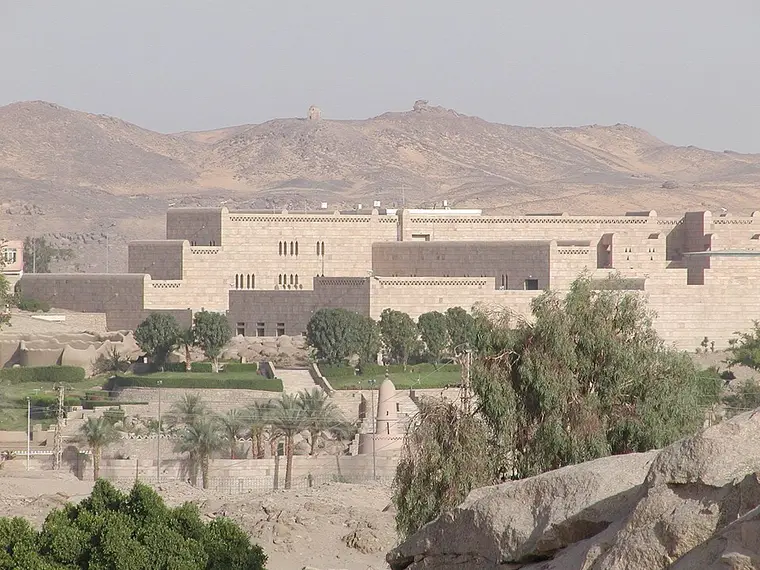
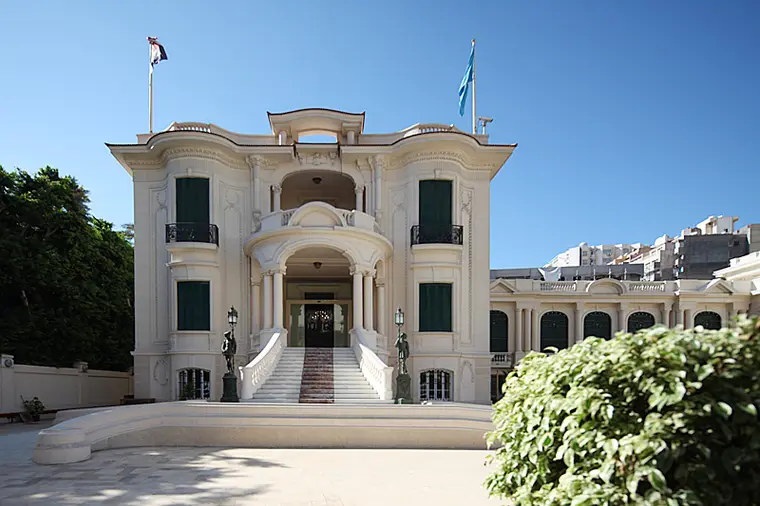
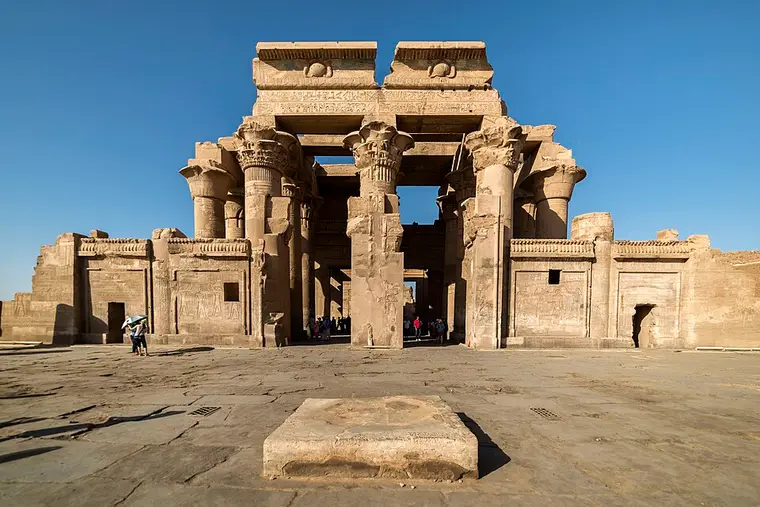
Ask Sawah
Egypt's scribe at your service
Ask about a king, a temple, a word or an era, and the scribe answers from Sawah's published pages alone — and points you to the page the answer came from.
Sawah fragen
Answers from Sawah's pages and their sources only
Peace be upon you — I am Sawah's scribe. Ask me about Egypt's history, places, myths and words, and I will answer from what we publish, with the page to check it on.
Dies ist ein automatisierter Assistent, kein Historiker. Er kann sich irren, und seine Antworten sind keine wissenschaftliche Referenz. Prüfen Sie stets die Quellen jedes Artikels.
Ägypten heute
Egypt today
Ihr Zugang zu Ägypten
Ägypten ist nicht ein Thema — es ist eine ganze Zivilisation
Geschichte, Sprache, Kultur, Orte und Spiele. Jedes ist eine eigene Welt, und alle beginnen hier.
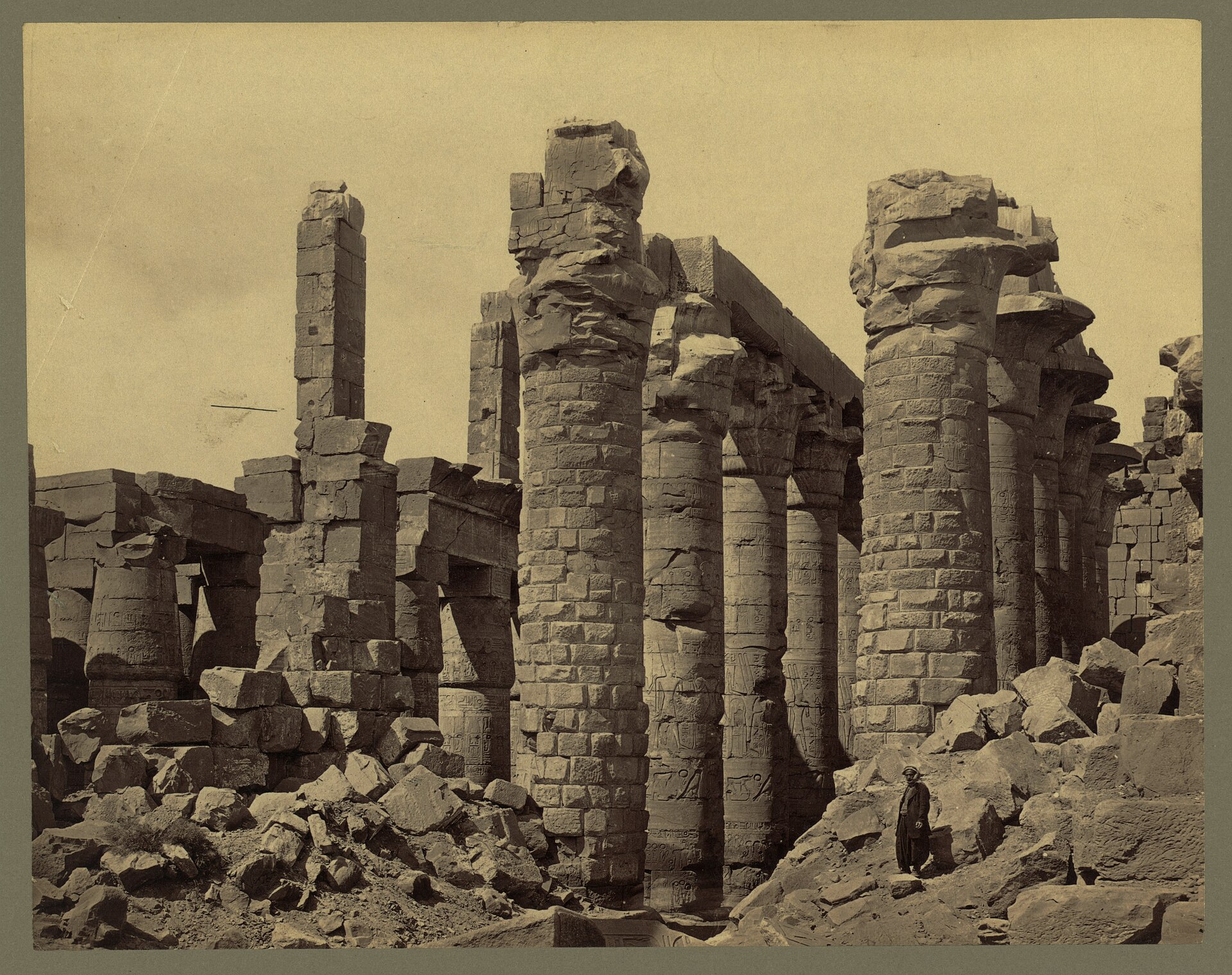
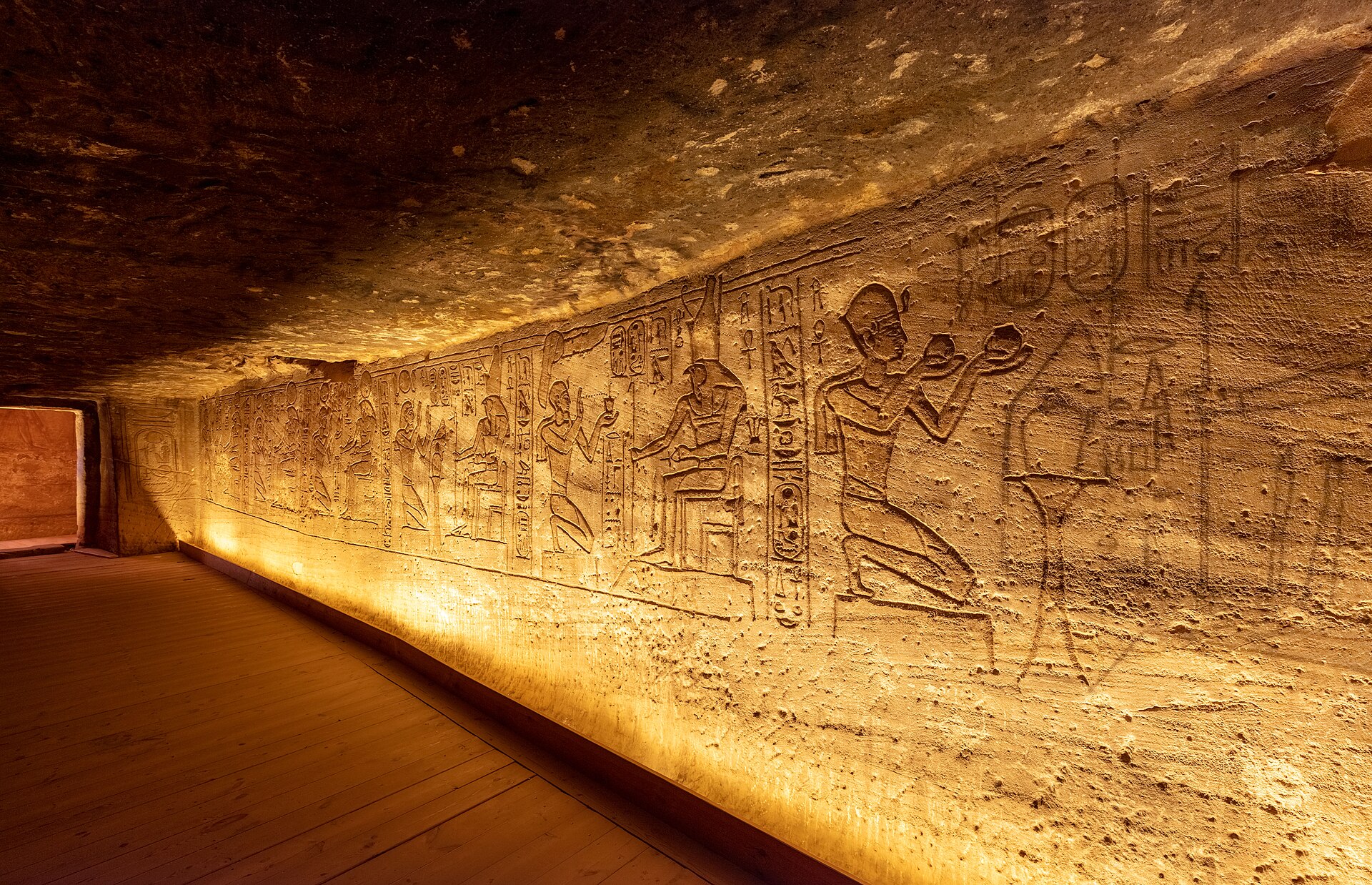
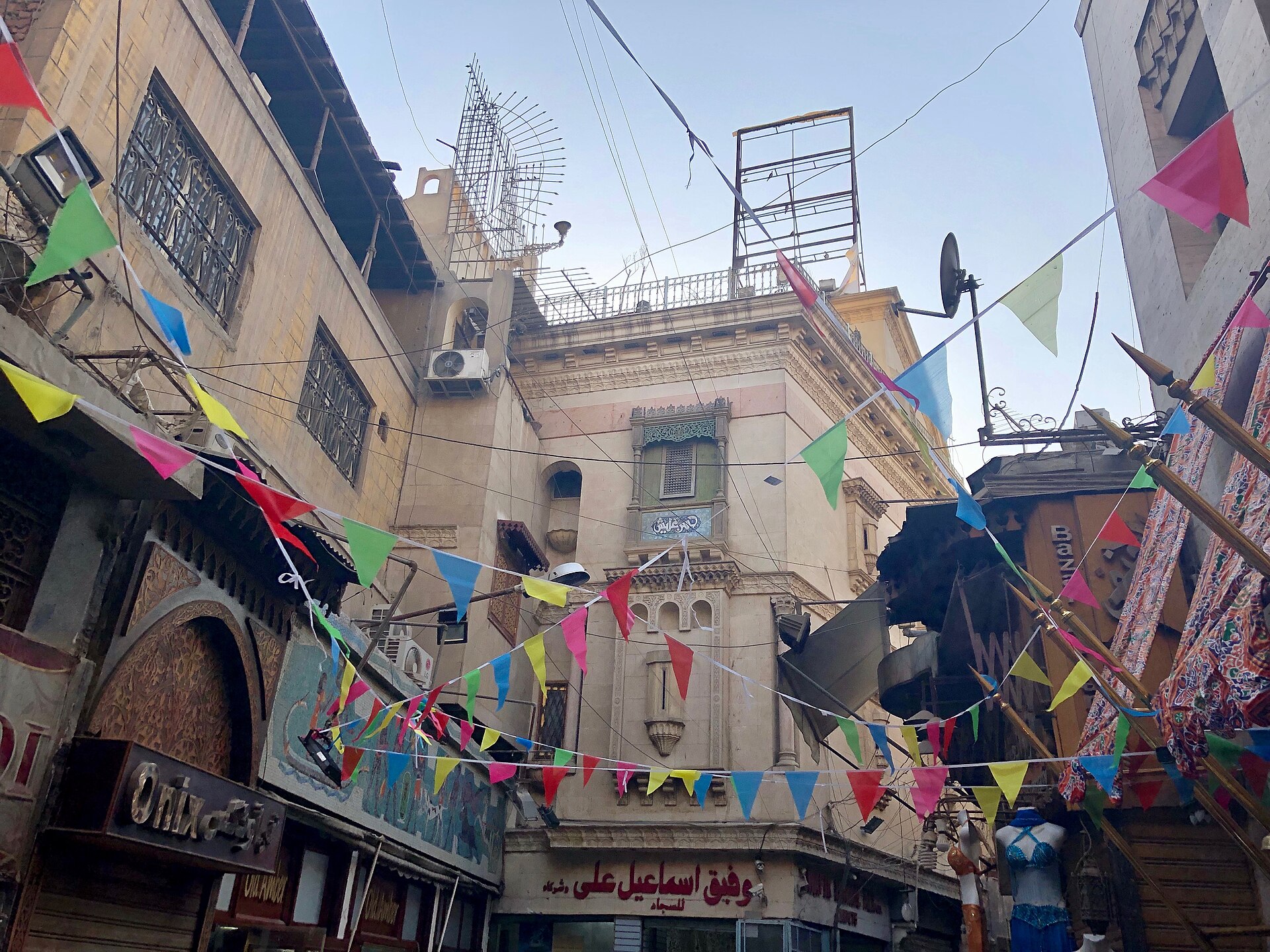
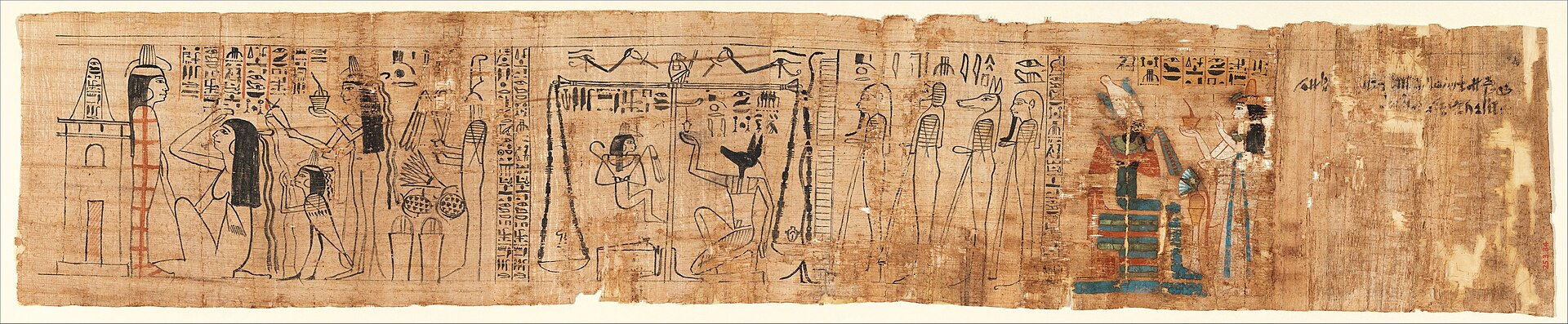
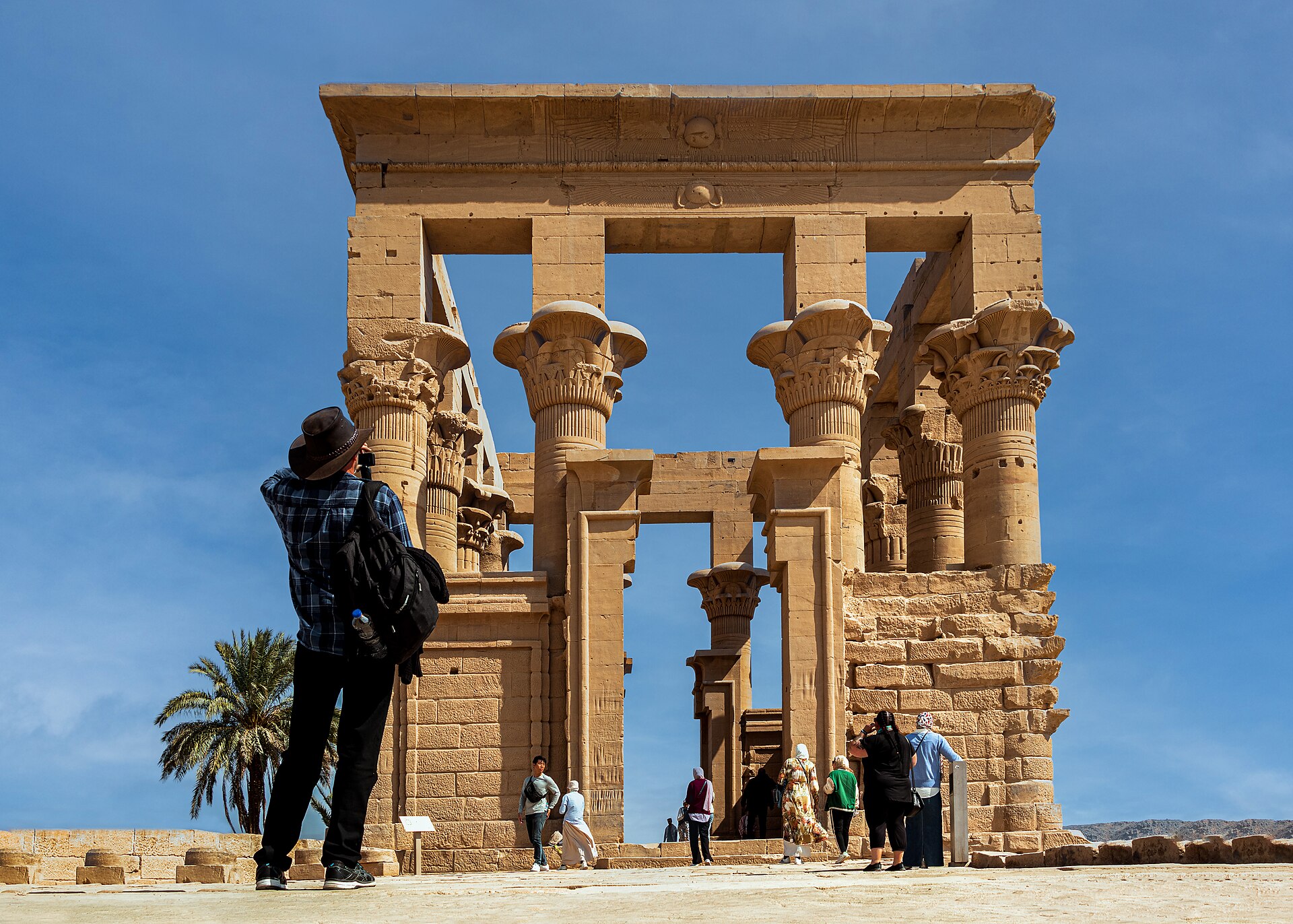
Why Sawah
The Nile has not changed. What changed is that someone had to write the story properly.
Arabic material about ancient Egypt online is largely carelessly translated, copied without a source, or myth repeated until it passes for fact. We write it as Arabic, and every claim carries its source and its confidence level.
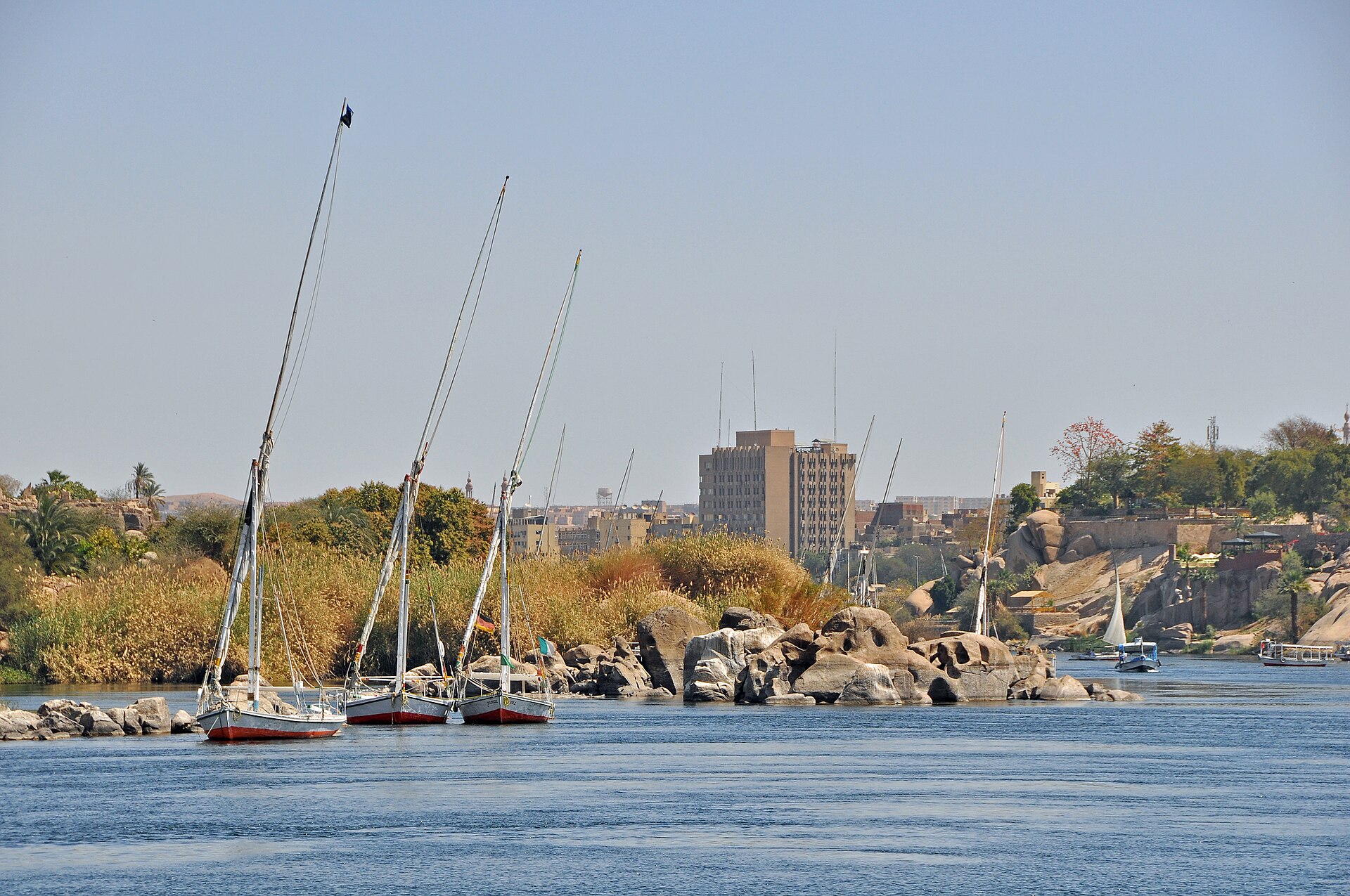
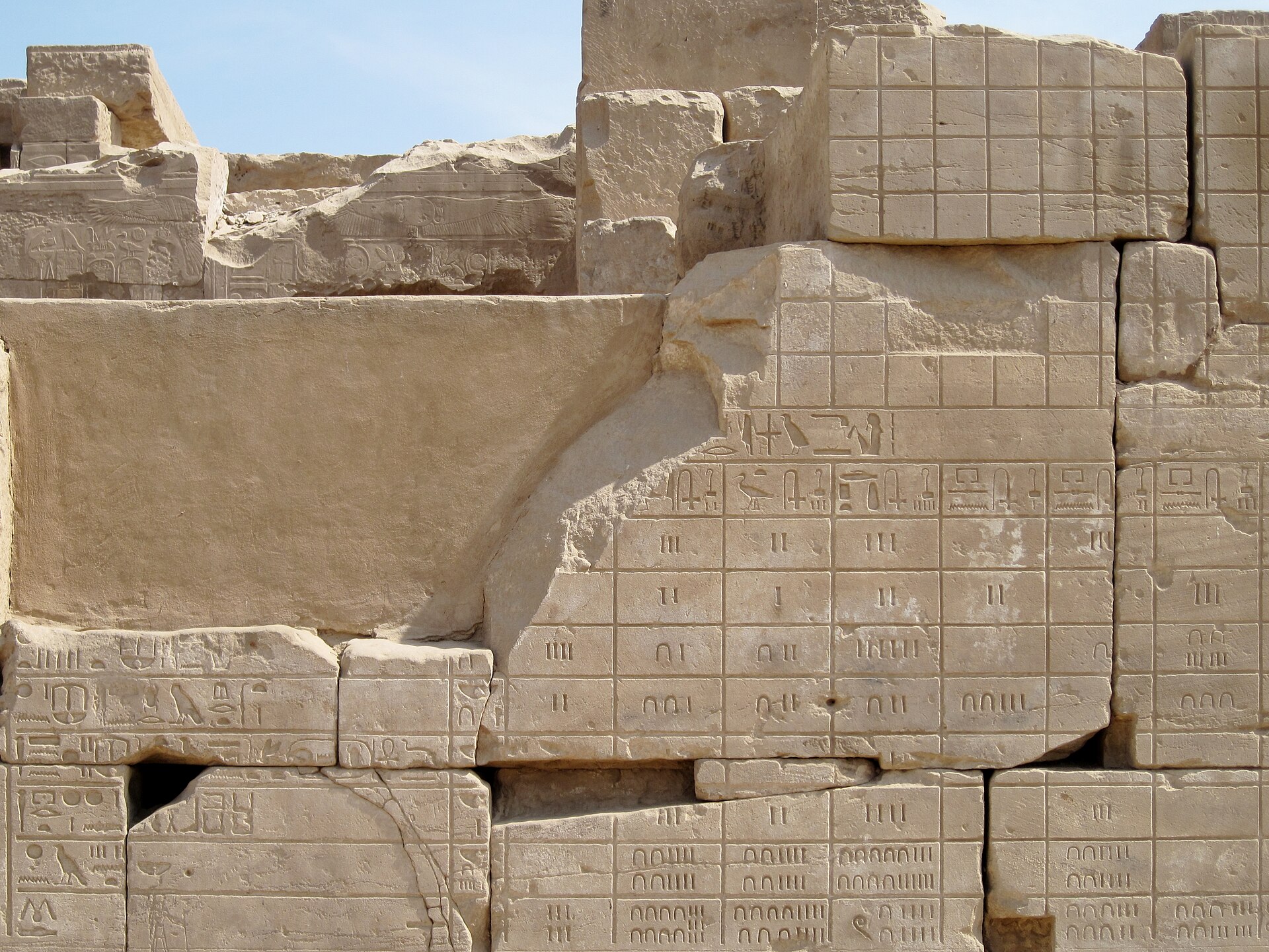
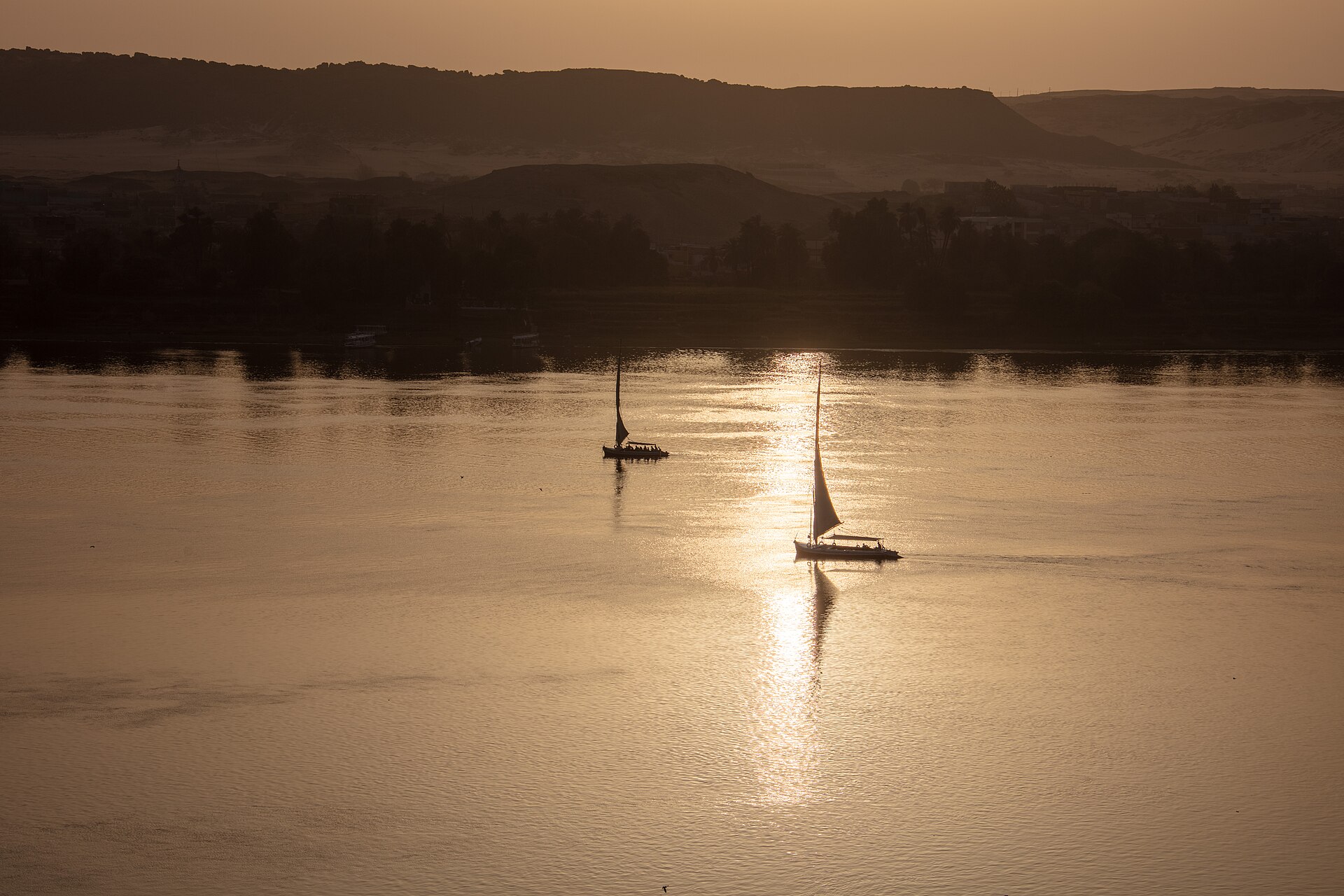
How we workNile at Aswan · Diego Delso · CC BY-SA 4.0 · Wikimedia Commons
Places in Egypt
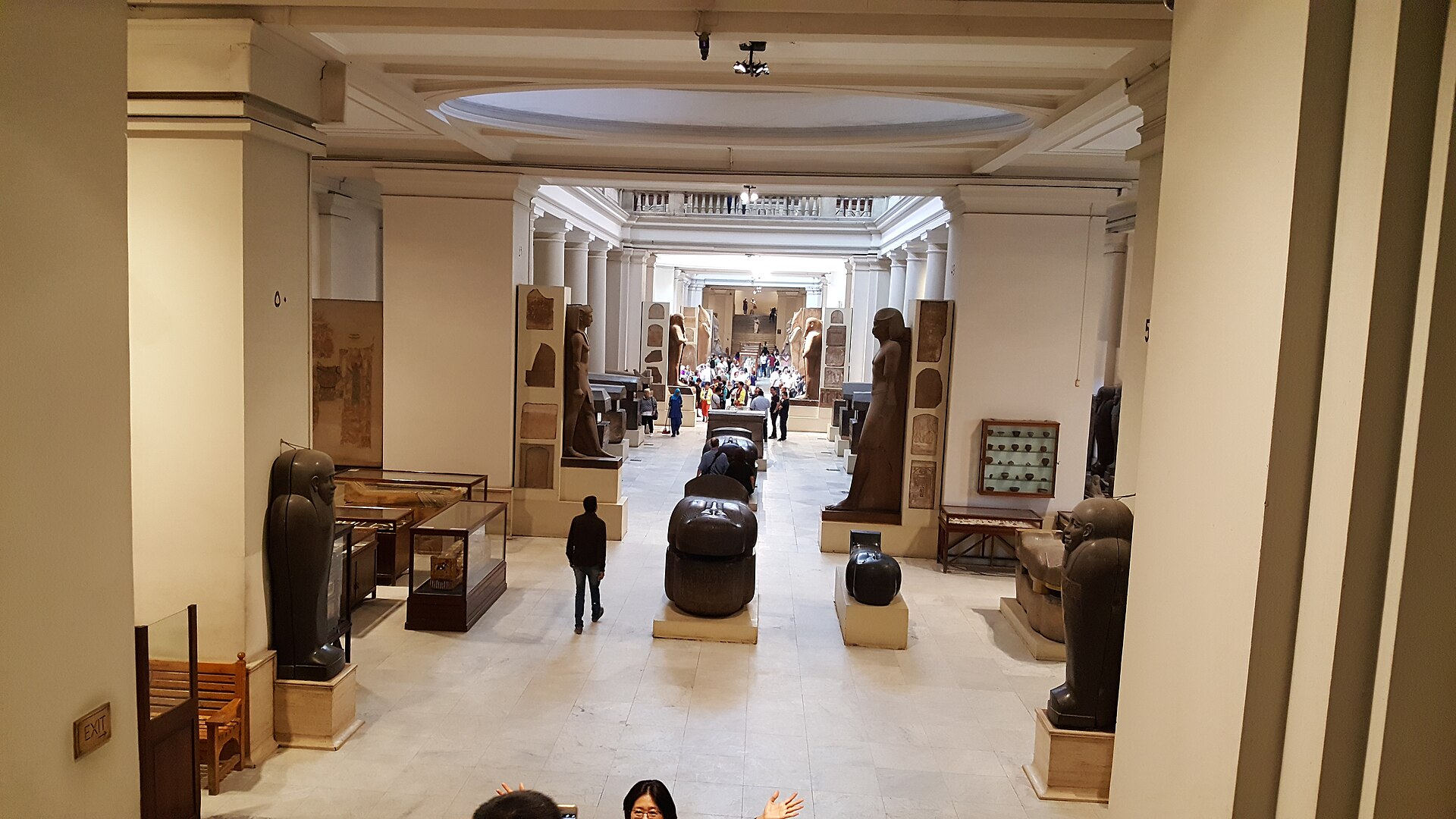
From the Egyptian Museum to Café Riche — in one place
Museen, Kulturstätten, Tempel, Hotels, Restaurants und Freizeit — 1958 Orte, jeder mit Koordinaten, Beschreibung und direktem Weg zur Karte.
115 places in this category
Schreiben Sie Ihren Namen
Ihr Name in Hieroglyphen, ein Zeichen je Laut
Nicht Buchstabe für Buchstabe. Der Motor zerlegt den Namen in Laute, schreibt für jeden das zugehörige Zeichen und sagt, welches Zeichen aus welchem Laut kam — und wo er annähern musste.
- مريمmrjm
- أحمدꜣḥmd
- نورnwr
Drei Namen, geschrieben von demselben Motor, der auch Ihren schreibt — keine Illustration.
Das Alphabet
Vierundzwanzig Zeichen, jedes mit einem Laut
Dies ist, was dem Ägyptischen einem Alphabet am nächsten kam: die Zeichen mit nur einem Konsonanten. Jeder Name wird mit ihnen geschrieben, und jedes Lernen beginnt hier.
- ꜣa (glottal, as in 'ah')
- ji / y
- yy
- ꜥayin
- ww / u
- bb
- pp
- ff
- mm
- nn
- rr
- hh (soft)
- ḥemphatic h
- ḫkh, as in Scottish 'loch'
- ẖsofter kh
- ss
- šsh
- qemphatic q
- kk
- ghard g
- tt
- ṯtj, as in 'church'
- dd
- ḏdj
Jedes Zeichen mit Umschrift und Laut. Das Ägyptische schrieb überhaupt keine Vokale — jeder Laut oben ist ein Konsonant.
Der Kalender
Das heutige Datum, in zwei ägyptischen Kalendern
Der altägyptische und der koptische Kalender sind dasselbe Jahr in jedem strukturellen Detail, getrennt durch einen Schalttag alle vier Jahre. Sehen Sie, wie weit dieser eine Tag sie getragen hat.
Koptisch — das feste Jahr
7. Paopi
Jahr 1743 der Märtyrer
Altägyptisch — das Wanderjahr
4. Paremhat
Jahr 2775 des Nabonassar
Der Abstand zwischen beiden heute
218 Tage
Ein Schalttag alle vier Jahre, über 2.774 Jahre hinweg.
Überlebende Wörter
Wörter, die wir noch sagen — und solche, die wir dafür halten
Jeder Eintrag trägt seine Herleitung, einen lexikographischen Beleg und einen angegebenen Sicherheitsgrad. Der dritte Grad — verbreitet und falsch — ist die halbe Rubrik, nicht ihr Anhang.
- Gesichert
𓅓𓋴𓎛mzḥتمساح
The initial t- is not part of the word: it is a feminine definite article fused onto the noun, as in timthāl. The disagreement is not about the Egyptian source but about the route. Bishai takes it through Coptic ⲧⲉⲙⲥⲁϩ; Corriente objects that Crum records the Coptic word as masculine, so a feminine article is irregular, and argues Arabic took it from Ancient Egyptian directly at an earlier stage. The best case for the Coptic route is that the feminine-articled form is itself attested in Coptic personal names (ϯⲉⲙⲥⲁϩ). The Egyptian word is given as mzḥ, as in the Thesaurus Linguae Aegyptiae; older transliteration writes msḥ — the same word.
- Umstritten
ϩⲁⲗⲱⲙhalōmحالوم
Nobody doubts the two words are one; the question is which way it went. Bishai has Arabic borrowing from Coptic ϩⲁⲗⲱⲙ. Corriente notes that ḥālūm is already in the classical Arabic dictionaries, so the borrowing must be older than Bishai assumes. Vittmann — supported by Behnstedt and Woidich, as Corriente reports — argues the reverse: that Coptic took the word from Arabic. The Coptic dictionary gives it no older Egyptian source.
- Verbreitet und falsch
ʾ-m-nآمين
The most famous claim in this whole area: that āmīn at the end of a prayer is a survival of the god Amun's name. It does not hold up on any front. Amun, Jmn, is an Egyptian name from a root meaning “to conceal” — “the Hidden One” — recorded as such in the Berlin dictionary. Āmīn is Hebrew, from the root ʾ-m-n, “to be firm, to be faithful”, the same root behind īmān and amāna in Arabic. Two languages, two roots, two meanings; only the letters resemble each other.
Tagesaufgabe
Ein Name in Hieroglyphen. Wessen ist er?
Eine Frage pro Tag nach Kairoer Zeit, fünf Versuche, nach jedem ein Hinweis. Ihre Serie bleibt auf Ihrem eigenen Gerät.
#289
7 Zeichen
Wessen Name ist das?
Gouvernements-Räume
Ein Raum je Gouvernement, Nachrichten in Echtzeit
Siebenundzwanzig Räume, einer für jedes ägyptische Gouvernement. Treten Sie in Ihren ein und finden Sie Leute von zu Hause; eine Nachricht erscheint bei allen ohne Neuladen.
Gemeinschaft
Was Mitglieder schreiben, getrennt vom redaktionellen Inhalt
Ein Ort, an dem Ägypter über Ägypten schreiben: ein Besuch, etwas Gewusstes, eine Korrektur. Er bleibt sichtbar von der Enzyklopädie getrennt, damit stets klar ist, wer spricht.
Noch hat niemand geschrieben. Wer beginnt, eröffnet diesen Ort.
Ägyptische Mythologie
Die Götter Ägyptens und ihre Mythen
148 Gottheiten, Gestalten und Begriffe, die die älteste menschliche Deutung von Tod, Schöpfung und Gerechtigkeit prägten.
Ägyptologie
Ägyptologie: Wie die Welt lernte, Ägypten zu lesen
991 Forscher, Stätten, Museen und Objekte — die Geschichte des Fachs, das Ägypten die Fähigkeit zurückgab, sich selbst zu lesen.
Ägyptische Literatur
Ägyptische Literatur
2489 Werke, Romanciers und Dichter.
Ägyptische Kunst
Ägyptische Kunst
2983 Filme, Schauspieler, Regisseure und Sänger.
The Sawah app
Sawah, überall dabei
Alles von der Website — Enzyklopädie, Kartusche, Tagesaufgabe und Orte — in einer App, auch offline.
- Read articles offline — on the metro, or standing in the temple itself.
- A nudge for today's challenge and today's sign.
- Your learning progress moves between phone and web without being lost.